Introduction: Two Indestructible Office Icons Compared
When busy calendars collide with low-light corners, only a few plants truly thrive. That’s why the conversation around snake plant vs ZZ plant for office spaces matters. These two champions are famous for durability, style, and the uncanny ability to look good even when your week runs long.
In this guide, you’ll get a practical, tested comparison to help you choose the better fit for your workspace. We’ll explore light tolerance under windows and fluorescents, watering schedules that forgive neglect, styling potential for modern desks and lounge areas, and the reality of air quality and pet safety in offices. By the end, you’ll know exactly which plant belongs on your desk, in that dim hallway nook, or in the conference room corner.
Want more foundational plant-care reading as you decide? Visit our internal Plant Care hub for general tips on light, watering, and potting basics.
Quick Summary: Side-by-Side Snapshot for Busy Offices
- Best for very low light: ZZ plant. It tolerates deeper shade and interior cubicles more reliably.
- Best for bright to medium light: Snake plant. It looks crisp near windows and under strong LEDs.
- Neglect tolerance (watering): Tie, with a slight edge to ZZ plant in very dry offices due to its rhizomes.
- Overwatering risk: High for both. ZZ plant is especially sensitive to constantly wet soil.
- Growth speed: Slow for both; snake plant can stretch taller, faster, in brighter conditions.
- Height potential: Snake plant often reaches 2–4 ft indoors; ZZ plant forms lush 1.5–3 ft clumps.
- Vibe & styling: Snake plant is vertical and architectural; ZZ plant is glossy, sculptural, and lush.
- Air quality: Both help in small, incremental ways, but don’t replace ventilation or filtration.
- Pet safety: Both can be toxic if chewed; keep away from pets or use barriers and signage.
- Difficulty level: Very low maintenance if you avoid overwatering and give appropriate light.
For quick care refreshers (soil and potting), bookmark our Plant Care page.
Light Tolerance and Placement: Desks, Corners, and Conference Rooms
Both plants are famously flexible, but they shine in slightly different light maps. In real offices, you’ll meet a mix of north-facing windows, fluorescent ceiling grids, and LED task lights. Matching plant to location improves color, shape, and resilience.
Snake plant (Dracaena trifasciata) excels in medium to bright, indirect light. It also handles low light, but better light fuels stronger vertical growth and bold variegation. When placed too far from light sources, leaves may soften or lean.
ZZ plant (Zamioculcas zamiifolia) is a champion of low to medium light. It remains glossy and composed in dim interiors where other plants struggle. That said, it still appreciates a few feet from a window or a consistent overhead LED source.
- Desks near windows (bright indirect): Snake plant looks razor-sharp here. Rotate monthly to keep a straight, upright silhouette.
- Interior cubicles (low light): ZZ plant is the reliable pick. It manages shade and patchy artificial light with ease.
- Conference rooms: If meetings keep blinds closed, use ZZ plant. If lights stay on and there’s some spill from windows, snake plant also thrives.
- Hallway corners: ZZ plant handles the long, dim stretches between offices. Add periodic LED exposure if possible.
Rule of thumb: Whatever plant you choose, avoid direct, hot sun blasting through glass; it can scorch leaves. Aim for bright, filtered light or stable artificial light.
Curious about more lighting fundamentals? Skim our light and care resources to match plants with your office layout.
For botanical context, see Dracaena trifasciata (snake plant) and Zamioculcas zamiifolia (ZZ plant) on Wikipedia.
Watering and Neglect Tolerance: Which Plant Forgives More Mistakes?
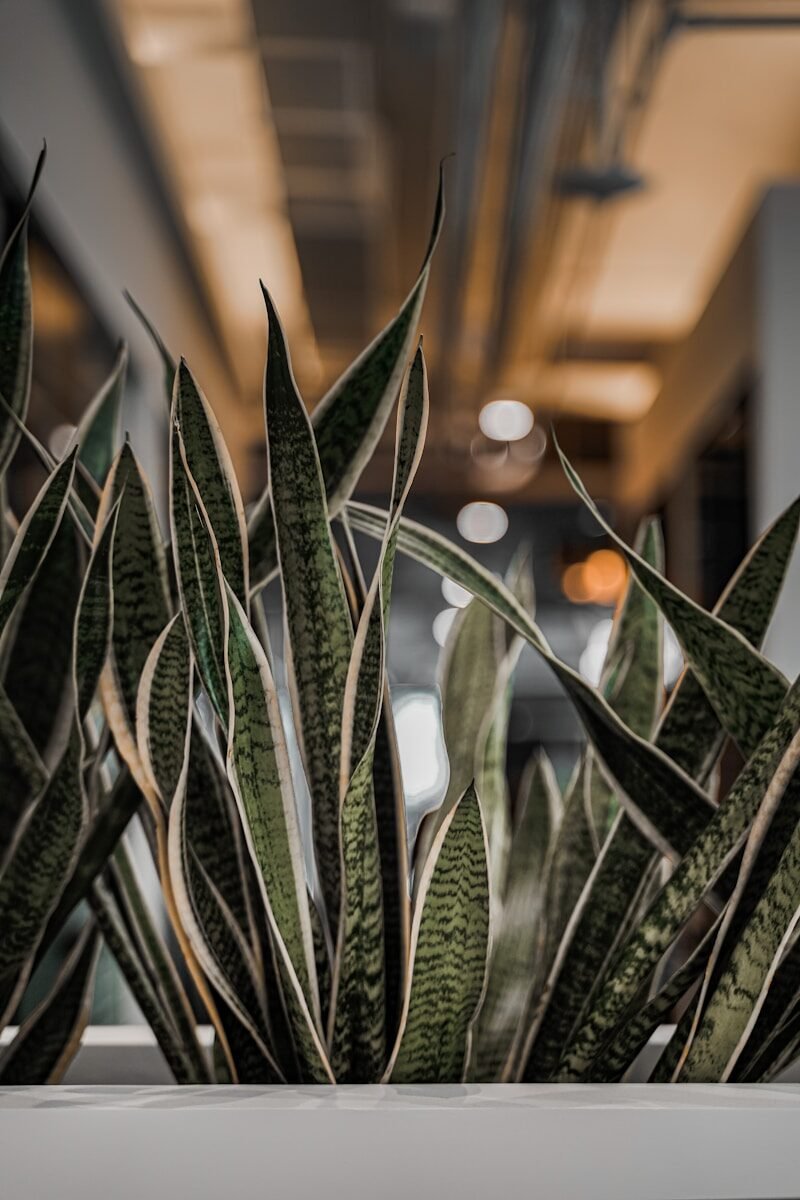
In the race to forgive busy weeks, both contenders are elite. Their shared secret is water storage: snake plant holds moisture in fleshy leaves, and ZZ plant stores reserves in thick, underground rhizomes. The result is rare watering and high tolerance for office neglect.
General schedules (adjust for season and light):
- Snake plant: Water roughly every 2–6 weeks. In brighter offices, it uses moisture faster; in dim corners, much slower.
- ZZ plant: Water every 3–8 weeks. It’s exceptionally drought-tolerant and will often outlast your calendar chaos.
Top tips to avoid overwatering:
- Use a fast-draining mix (e.g., potting soil cut with perlite or pumice) and a pot with drainage holes.
- Let the top 1–2 inches of soil dry before watering. In low light, wait longer.
- Water thoroughly, then let excess drain. Never let either plant sit in a saucer of water.
- In winter or low-light months, lengthen intervals. Cooler temps and short days slow uptake.
Which forgives more? It’s nearly a tie, but the ZZ plant edges ahead for extreme neglect. Its rhizomes keep it composed through longer dry spells. However, both plants suffer quickly if kept constantly wet — a fast track to root rot.
Overwatering red flags: Yellowing leaves, mushy stems, soil that smells sour, or a pot that feels heavy for days. If you see these, pull back on watering and ensure drainage.
Need a refresher on potting and soil? Check our care hub for mix and drainage pointers that simplify office maintenance.
Aesthetics and Styling: Leaf Shape, Height Potential, and Vibe
Beyond survival, plants set a workplace tone. Do you want bold, vertical lines that frame an entry, or a plush, polished accent that softens a desk? Styling choices determine the wow factor.
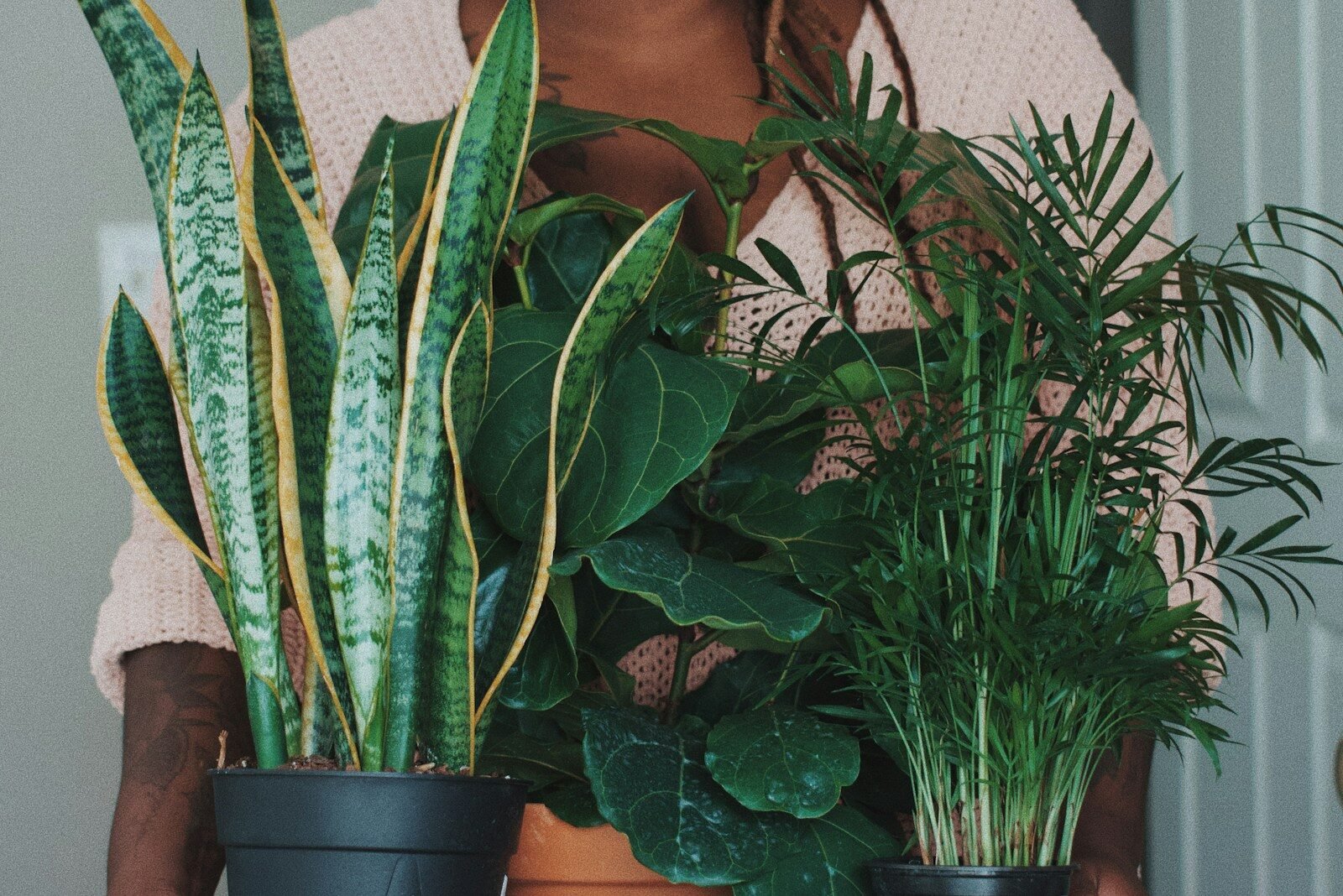
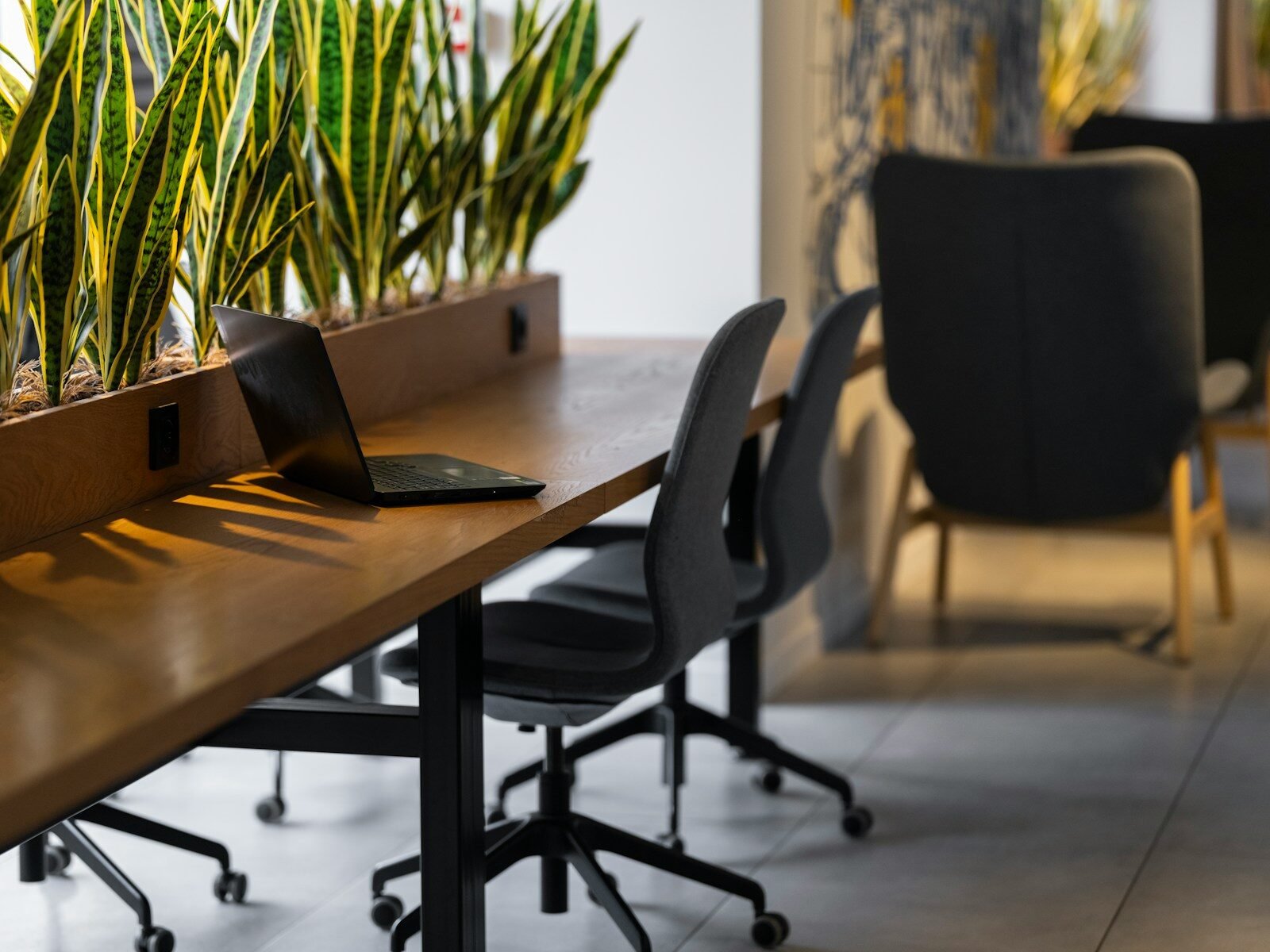
Snake plant vibe: Architectural, minimal, and modern. Blade-like leaves create clean lines that suit design-led offices, tech hubs, and reception backdrops. Varieties range from tall spears to compact rosettes, offering height without heaviness.
ZZ plant vibe: Lush, upscale, and calming. Glossy leaflets catch light and curve into sculptural clumps. ZZ pairs beautifully with hospitality lounges, executive suites, and quiet focus zones.
- Height potential: Snake plant can push 2–4 ft indoors in good light, creating a strong vertical statement. ZZ plant usually fills space horizontally to 1.5–3 ft with elegant arches.
- Planter choices: Match plant silhouette to pot shape. Snake plant thrives visually in tall cylinders or geometric planters. ZZ plant looks luxe in rounded or bowl forms that echo its curves.
- Finish & palette: Matte black, charcoal, and brushed metal emphasize the modernity of snake plants. Natural wood and soft whites amplify the serenity of ZZ plants.
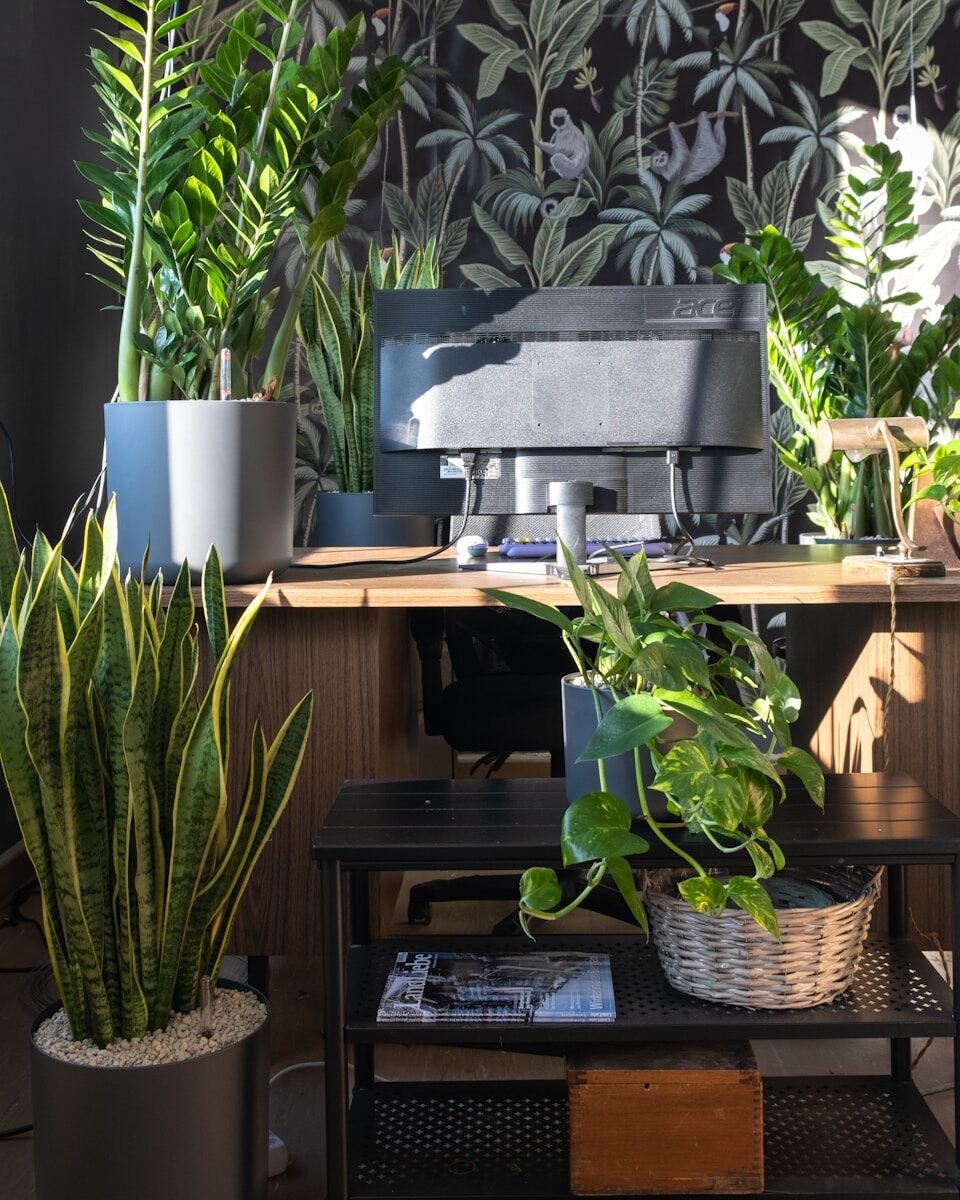
- Styling moves: For entrances, use a pair of snake plants to flank signage. For desks, a mid-size ZZ softens screens and adds biophilic warmth without clutter.
Mixing both can craft dimension: place a snake plant for a vertical anchor and a ZZ plant for layered, glossy texture. This combo reads intentional, not busy.
Air Quality and Pet Safety Notes: What Office Managers Should Know
Plants bring a calm, natural presence to high-focus environments. But what about air quality claims? And are these plants safe around office pets?
Air quality reality check: Early lab studies like NASA’s Clean Air Study showed certain plants remove trace VOCs in sealed chambers. In real offices, the effect is much smaller because air volume, ventilation, and pollutant sources differ greatly. The U.S. EPA recommends source control and ventilation as primary solutions. Treat plants as a complement to mechanical systems, not a replacement.
Pet safety: Both snake plant and ZZ plant are considered toxic if ingested by cats, dogs, or other animals. For details, see the ASPCA toxic plant list. In offices with pet policies, use elevated stands, out-of-reach shelves, or rooms without animal access. Clear signage helps too.
- Good practices for offices:
- Position plants where leaves are not brushed or snapped during foot traffic.
- Use stable pots with saucers that don’t pool water.
- Clean dust from leaves monthly to support healthy respiration and a polished look.
- Rely on HVAC filters and ventilation for air quality, with plants as aesthetic support.
Verdict: Choose Based on Light, Schedule, and Style
There’s no single winner — only the right fit for your space. Let these three factors guide you.
- Light: If your plant will live in very low light, pick ZZ plant. If you have medium to bright, indirect light, a snake plant shows sharper lines and stronger growth.
- Schedule: If watering is unpredictable and the office runs dry for stretches, ZZ plant is slightly more forgiving. If you can check plants every 2–3 weeks, either will thrive.
- Style: Choose snake plant for vertical drama and a minimalist aesthetic. Choose ZZ plant for a glossy, sculptural vibe that softens edges.
Still unsure? Start with one of each. Place the snake plant where light is better, and the ZZ plant deeper inside. You’ll cover more niches, learn your office’s microclimates, and build a cohesive, biophilic look.
Conclusion: The Right Pick for Your Workspace
In the showdown of snake plant vs ZZ plant for office environments, both are undisputedly tough, attractive, and low effort. Your decision hinges on how much light that corner really gets, how often someone can water, and the design language you want to project.
Place a snake plant where it can bask in stable, bright indirect light and serve as a proud vertical accent. Tuck a ZZ plant into interior zones where many other plants fade, and let its glossy leaves deliver calm, polished energy.
For a deeper dive into routine care that keeps both thriving, revisit our Plant Care hub. With the right match, your office will feel fresher, more focused, and quietly inspired — day after day.
FAQ: Growth Speed, Pot Size, and Combining Both Plants
Q1. Which grows faster in an office, snake plant or ZZ plant?
Both are slow growers, especially in low light. Snake plants can push taller leaves more quickly in brighter conditions, while ZZ plants tend to fill out gradually with new stems.
Q2. What pot size should I choose?
Pick a pot that’s 1–2 inches wider than the current root mass. For snake plants, a slightly snug pot keeps leaves upright. For ZZ plants, allow a touch more width for rhizomes. Always use drainage holes.
Q3. Can I keep both plants in the same office?
Absolutely. Use the snake plant in brighter spots as a vertical anchor and the ZZ plant deeper inside for lush coverage. This pairing evens out visual rhythm across zones.
Q4. Will they survive on artificial light only?
Yes, if light is consistent and reasonably bright. LED and fluorescent fixtures can sustain both. Snake plants prefer a touch more intensity; ZZ plants tolerate slightly dimmer conditions.
Q5. How do I avoid overwatering if we share plant duties?
Create a watering log and use a simple finger test: water only when the top 1–2 inches are dry. In winter, skip a week if unsure. Remember, both plants prefer being too dry over too wet.
Q6. Any pest concerns?
They’re generally resilient, but watch for mealybugs or scale in dusty, stagnant areas. Wipe leaves monthly and isolate new plants briefly. For basic troubleshooting, consult our care resources.
Q7. Are there budget-friendly options?
Yes. Starter sizes establish quickly and are easier to place. As they mature, repot into quality planters that fit your brand’s look. The longevity of both plants makes them cost-effective over time.
Q8. Can I propagate them for more office plants?
Yes. Snake plants propagate via leaf cuttings or division. ZZ plants are best divided at the rhizomes or rooted from leaflets with patience. Always use clean tools and fresh, fast-draining mix.
Q9. How do I keep leaves looking great?
Dust monthly with a soft cloth. Avoid oily leaf-shine sprays that can clog pores. Good light and correct watering are the ultimate gloss enhancers.
Q10. What about air purifying claims?
Treat it as a bonus, not a guarantee. Focus on ventilation and filtration for measurable IAQ improvements (see the EPA’s IAQ guidance), and enjoy plants for their aesthetic and well-being benefits.