
Introduction: How to Shop Smart and Avoid Disappointment
You can buy snake plant online with confidence—and actually receive the bold, architectural beauty you pictured—when you shop with a plan. In 2026, the best plant sellers are transparent, customer-obsessed, and precise with photos, sizes, and shipping windows. With a few checks before checkout, you skip the guesswork and unbox a thriving Dracaena (formerly Sansevieria) that looks like the listing, not a surprise.
Think about the moment your package arrives: crisp, upright leaves, perfectly packed, no mushy tips or wobbly root ball. That outcome isn’t luck. It’s the result of choosing reliable vendors, reading the details, and understanding how a hardy plant like snake plant travels—and how it acclimates to your home.
To make this simple, we’ll cover where to shop, what to verify, how to avoid transit shock, and the first 30 days of care. If you’re new to houseplants, bookmark our practical plant care guides for quick refreshers on watering, light, and troubleshooting. If you collect rarities, you’ll find a checklist to protect your budget and your standards.
By the end, you’ll know how to select cultivars—like Laurentii, Moonshine (Silver), Zeylanica, Black Coral, and Whale Fin (D. masoniana)—and how to ensure that what you order is exactly what shows up. For a quick botanical refresher, see the background on Dracaena trifasciata (snake plant).
Quick Summary: Where to Buy and What to Check Before Checkout
Here’s your ultra-fast guide to buy snake plant online without regrets:
- Best places: Direct-from-grower nurseries, specialty houseplant retailers, and vetted marketplaces with live-arrival guarantees.
- Must-check details: Real plant photos, cultivar name, pot size and approximate height/leaf count, shipping window, and weather packs (cold/heat) offered seasonally.
- Protections: Clear return/replacement policy, pest-free guarantee, and documented packaging practices.
- Timing: Ship during mild temps when possible; add cold or heat packs for extremes. Coordinate delivery to minimize time on trucks and porches.
- After arrival: Unbox promptly, inspect for pests, let the plant acclimate, and avoid repotting for 2–3 weeks unless there are root issues.
If you want deeper care help after unboxing, our hub of indoor plant care resources is a reliable next step.
Trusted Places to Buy in 2026: Growers, Specialty Retailers, and Vetted Marketplaces
The most reliable way to buy snake plant online in 2026 is to choose sellers who treat plants like living inventory, not commodity decor. These are your best sources, ranked by transparency and plant handling.
- Direct-from-grower nurseries: Growers ship fresh, reduce hand-offs, and usually list exact pot sizes, growing media, and propagation method (division or tissue culture). Many will show current crop photos and publish weekly shipping days. Expect consistent sizing and healthier root systems.
- Specialty houseplant retailers: These shops curate cultivars and often provide individual plant listings for rarities like Whale Fin or Moonshine. Good ones photograph the exact plant for sale, include care notes, and proactively use weather-safe packaging.
- Vetted marketplaces: Marketplaces can be excellent if you filter by seller ratings, review photos, and verified purchase feedback. Read the shop’s live-arrival terms and preferred shipping days. Choose sellers who document packing methods and offer responsive support.
Red flags include generic stock photos, missing cultivar names, vague sizing (e.g., “medium plant”), and no mention of shipping windows or climate precautions. When in doubt, message the seller and ask for a current timestamped photo and details on their packing method.
Want to sharpen your marketplace safety skills? See these general online buying tips from Forbes Advisor and make them part of your plant-buying routine.
Buyer’s Checklist: Photos, Size, Cultivar Names, Return Policy, and Weather Packs
Use this pre-checkout list to protect your expectations and your wallet every time you buy snake plant online.
- Photos that match reality: Look for multiple angles (top, side, and soil line), leaf close-ups, and a scale reference like a ruler. Individual-plant listings should show the exact plant. If it’s a representative photo, confirm your plant will have similar leaf count and height.
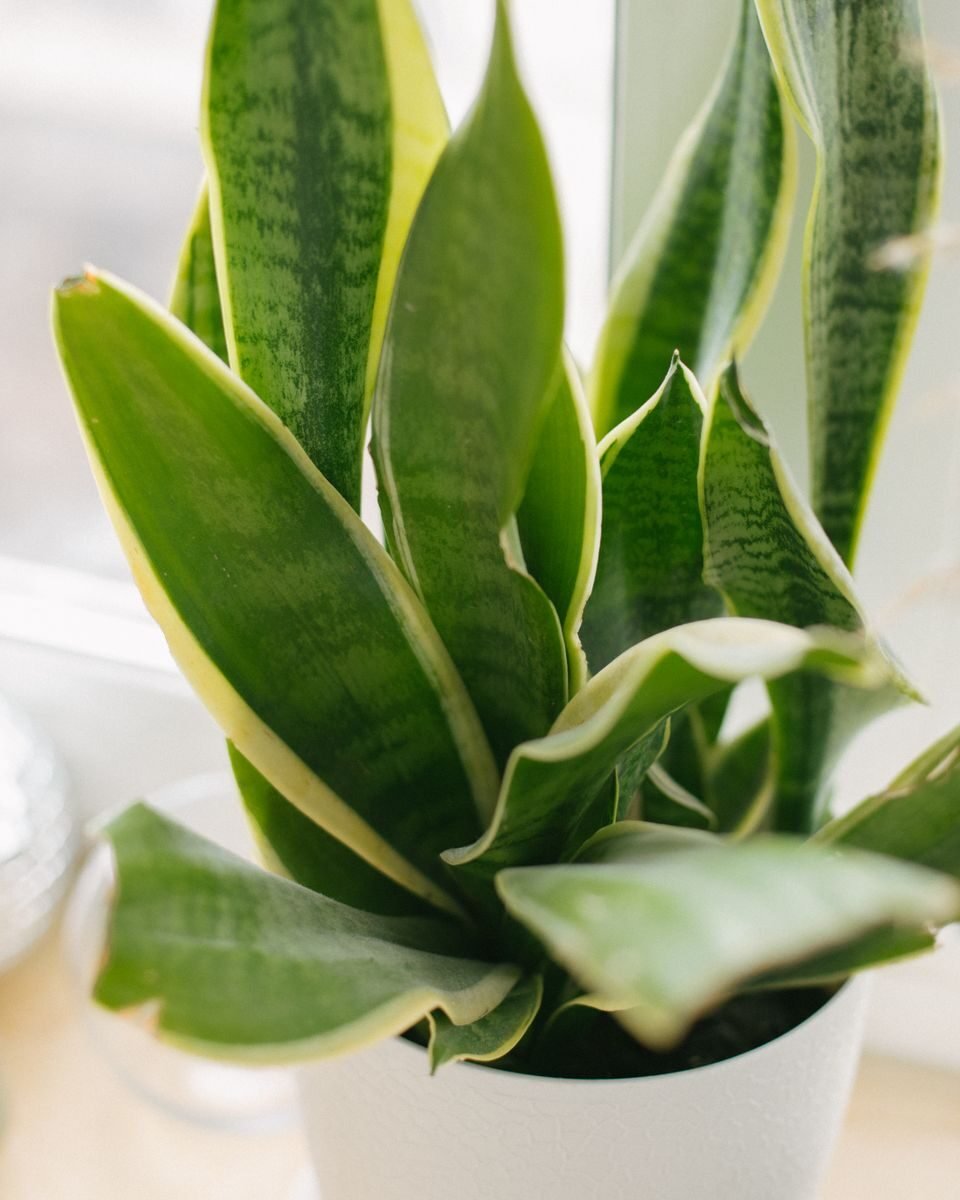
- Exact cultivar name: Insist on a specific ID: Laurentii (yellow variegation), Zeylanica (striped), Moonshine (silver), Black Coral (dark banding), or Masoniana/Whale Fin (broad leaf). Avoid vague labels like “Sansevieria mix.”
- Size and pot details: Confirm pot diameter (inches), approximate plant height (inches), leaf count (for Whale Fin, single vs. multiple leaves), and whether measurements include the pot. Ask if the photo shows a staged display pot or the actual nursery pot.
- Propagation notes: Division or tissue-cultured plants are standard; both can be excellent. For variegates, ask about stability across offsets and whether the seller guarantees the pattern over time (helpful for Laurentii fans).
- Return/replacement terms: Read the fine print. A good policy includes a live-arrival guarantee, a claim window (often 24–72 hours), and clear photo instructions. For guidance on what solid policies look like, see this overview from HubSpot.
- Weather add-ons: In hot or cold seasons, choose heat/cold packs and insulated liners. Ask which temperatures they’re rated for and how the seller times shipment to avoid weekend storage.
- Shipping schedule: Prefer Mon–Wed shipping to prevent weekend delays. Request a hold for pickup if your local carrier site is safer than your porch.
- Pest-free assurance: Confirm that plants are inspected and treated pre-shipment. Bonus points for sellers who photograph pests traps in greenhouses or mention IPM (integrated pest management).
Save this list and use it every time you’re comparing vendors. It turns a pretty listing into a purchase you can trust.

Shipping and Acclimation: Avoiding Shock, Quarantine, and Pest Checks
Even the toughest snake plant appreciates a gentle welcome. Here’s how to receive, inspect, and acclimate your new plant so it settles fast and stays strong.
- Unbox promptly: Open within hours of delivery. Save all packing materials until you confirm the plant’s condition. Photograph the plant and packaging in case you need to file a claim.
- Inspect for transit stress: Look for bent leaves, bruising, or loose soil. A little cosmetic scuffing is normal. If leaves are mushy or roots smell sour, document right away.
- Quarantine: Place the plant separately from your collection for 10–14 days. This protects your other plants and gives you time to observe.
- Pest checks: Examine leaf undersides and crevices for mealybugs and spider mites. A magnifying glass helps. Learn the basics via mealybug and spider mite references. Spot-treat with 70% isopropyl on a cotton swab, then follow with your preferred IPM routine.
- Let it breathe: Remove any tape or wraps around leaves. Gently brush soil back into place. Avoid washing roots or repotting right away unless the root ball is severely loose or rotted.
- Light and temperature: Start with bright, indirect light and stable temps (65–80°F). Avoid intense midday sun the first week, especially for cultivars with thinner or variegated leaves.
- Watering on arrival: Check soil moisture with a finger or moisture meter. If the top 1–2 inches are dry, water lightly until water drains. If soil is still moist from shipping, wait a few days.
Shipping is a brief stressor; acclimation is the antidote. With a calm, methodical start, your plant quickly looks like it never traveled.
Potting and First 30 Days: Soil, Watering, and Light Ramp-Up
The first month sets the tone for long-term vigor. Snake plants are forgiving, but they thrive on smart soil, measured watering, and gradual light increases.
- Wait to repot: Unless the nursery pot is shattered, sopping, or infested, hold repotting for 2–3 weeks. This reduces post-shipping shock and lets you observe growth patterns.
- Choose the right container: Terra-cotta helps prevent overwatering. Whatever you choose must have drainage holes. Size up only 1–2 inches wider than the current pot.
- Build a fast-draining mix: Aim for ~50% mineral (pumice or perlite), 30% chunky bark, and 20% quality potting soil. You want oxygen around roots and quick drainage that mimics their arid-adapted nature.
- Watering rhythm: Water thoroughly, then allow the top 2–3 inches to dry before watering again. In low light, stretch intervals; in brighter light and warmth, water a bit more often. Avoid “just in case” sips.
- Light ramp-up: Start in bright, indirect light for 1–2 weeks, then gradually introduce morning sun or strong indirect exposure. Silver forms like Moonshine prefer bright light to maintain color.
- Feeding: After 3–4 weeks of stability, begin a dilute balanced fertilizer monthly during the growing season. Hold fertilizer if the plant is still acclimating or recovering.
- Signs to watch: Curling leaves can signal thirst or low humidity. Soft, yellowing bases often mean overwatering. Scorched tips reflect sudden high-intensity sun.
For broader care refreshers beyond your snake plant, explore our plant care collection to reinforce the fundamentals.
Conclusion: Confident Online Buying for Beginners to Collectors
When you buy snake plant online with intention, the whole experience shifts—from anxious guessing to confident collecting. You know what to ask, what to verify, and how to welcome your plant so it flourishes.
Start with reputable sources, insist on clear details, and prioritize weather-safe shipping. Then usher your new Sansevieria (Dracaena) through a gentle acclimation and a thoughtful first month. You’ll enjoy the sculptural beauty and air of calm these plants bring, while your success becomes repeatable—purchase after purchase, cultivar after cultivar.
Your next unboxing can be your best yet.
FAQ: Shipping Seasons, Cold/Heat Packs, and Live Arrival Guarantees
When is the best season to ship snake plants?
Mild temperatures—typically spring and fall—are the safest. In extreme climates, coordinate for a short time in transit and consider a carrier hold for pickup. Check your local conditions and the seller’s ship-from location. Reference your climate using the USDA Hardiness Zone Map to anticipate temperature swings.
Do I need a cold or heat pack?
Yes, when temps dip below ~45°F (7°C) or rise above ~90°F (32°C). Ask the seller what pack rating they use and how they insulate the box. Remember, packs extend a margin of safety, not a guarantee; proper timing and routing still matter.
What is a live-arrival guarantee?
A promise that your plant will arrive alive and in acceptable condition, with a claim window (often 24–72 hours). Expect to submit clear photos of damage and packaging. Read policy specifics before you buy; see general return-policy best practices via HubSpot.
Should I repot immediately after delivery?
Usually no. Let the plant stabilize 2–3 weeks. Repot sooner only if there’s severe root damage, standing water, or a broken container. Terra-cotta and a fast-draining mix help prevent overwatering later.
My plant looks droopy after shipping. Is that normal?
A little slump is typical. Provide bright, indirect light, stable temperatures, and a modest first watering if the topsoil is dry. Most snake plants rebound within 1–2 weeks as they acclimate.
How do I avoid pests when buying online?
Choose sellers who practice IPM and advertise pest-free stock. On arrival, quarantine 10–14 days and inspect for mealybugs and spider mites. Treat early with spot applications and keep monitoring.
Are rare cultivars like Whale Fin harder to ship?
Broad leaves can bruise more easily, so quality packing matters. Ask for extra leaf padding, rigid boxing, and if the seller adjusts shipping windows to avoid heat or cold spikes. Confirm whether the listing is single-leaf or multi-leaf and the exact height.
Can I leave delivery instructions?
Yes—request signature required, a shaded drop-off spot, or hold-for-pickup at your local carrier hub. Reducing porch time preserves temperature and plant integrity.