Introduction to Houseplants
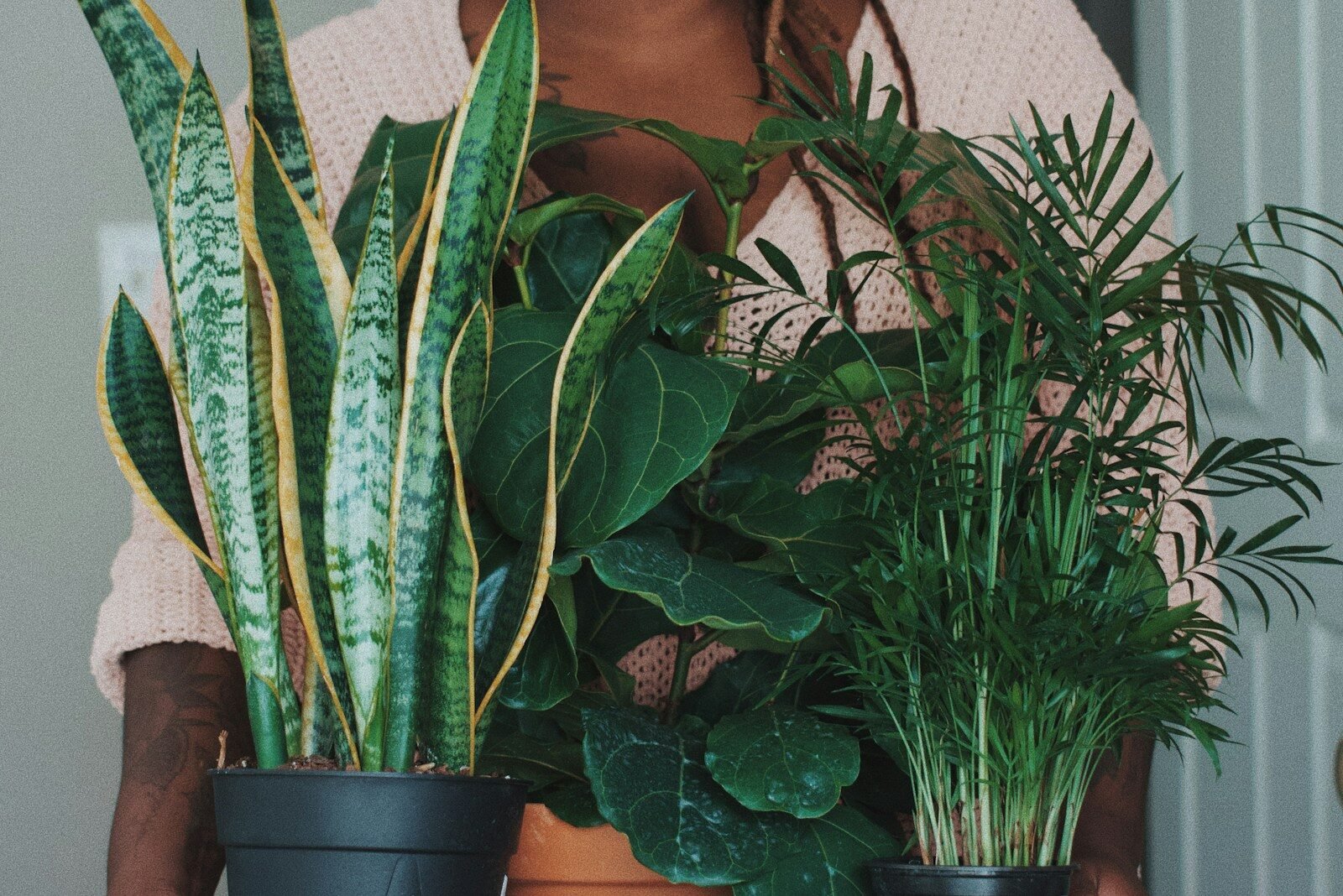
Houseplants are plants that are cultivated indoors, primarily for decorative purposes, but many offer a multitude of benefits that extend beyond aesthetics. Commonly known varieties include pothos, snake plants, spider plants, and peace lilies, among others. Each type brings its own unique charm and characteristics, and they can vary widely in terms of size, shape, and color. This diversity allows individuals to select houseplants that best fit their living spaces and personal preferences.
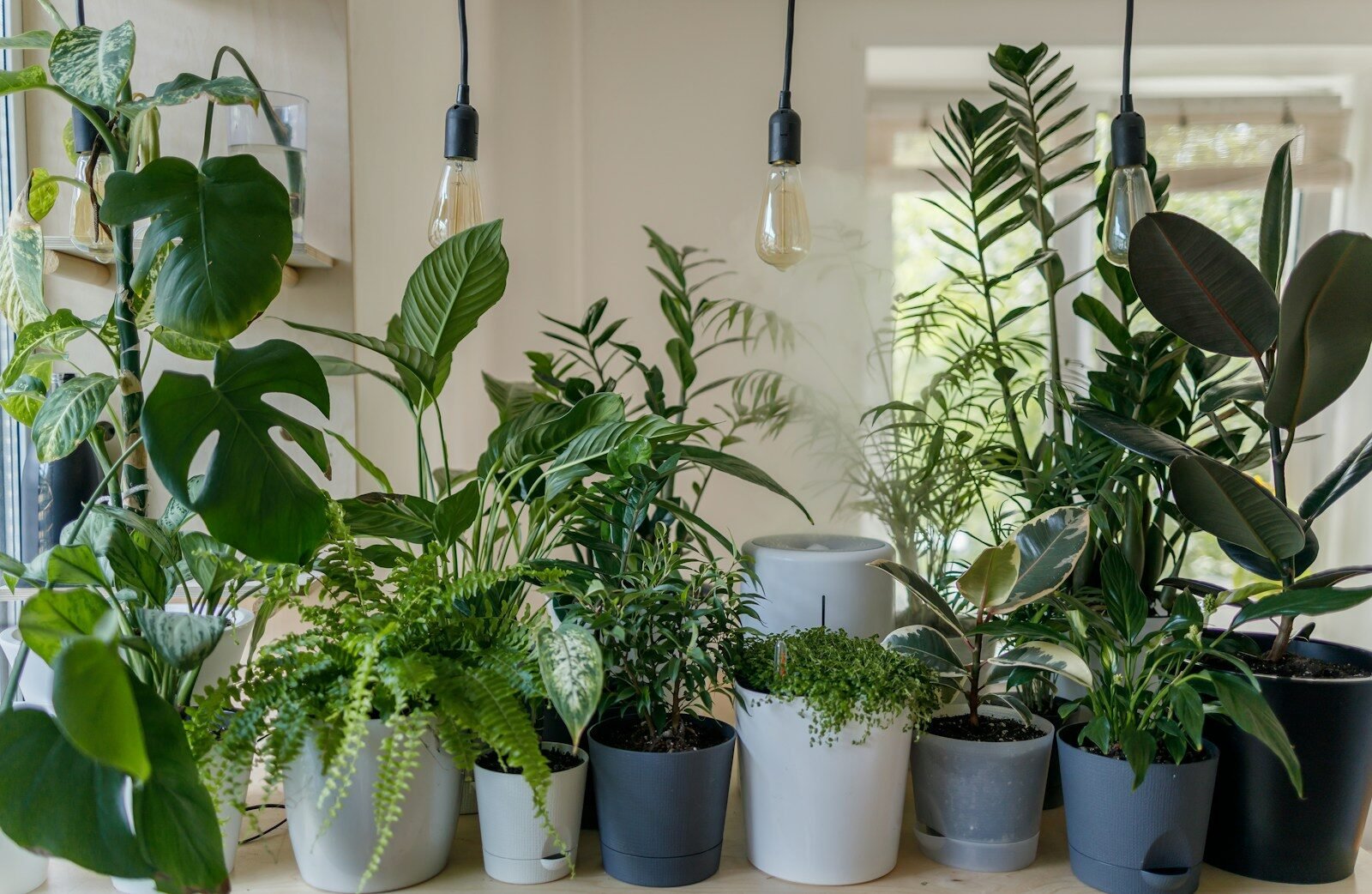
The popularity of houseplants has surged in recent years, particularly as indoor gardening has become a trendy hobby. Many people find solace and satisfaction in caring for plants, while others appreciate the fresh look and ambiance that greenery provides. Houseplants also serve practical purposes; they can improve air quality, contribute to mental well-being, and create a more inviting atmosphere. The gentle act of nurturing plants can foster a sense of responsibility and connection to nature, even within urban settings.
One of the primary appeals of growing plants indoors is their ability to enhance the aesthetics of a room. Strategically placed houseplants can liven up any space, bringing color and life where it is often lacking. Furthermore, many indoor plants are relatively low-maintenance, making them accessible even to those without a green thumb. With proper care, houseplants can thrive for years, providing their owners with continued joy and benefits.
In summary, houseplants offer a wide array of varieties to suit different tastes and lifestyles, contributing not only to the beauty of indoor environments but also to the well-being of those who tend to them. Their rising popularity speaks to the unending appeal of cultivating nature in our living spaces.


Advantages of Having Houseplants
Houseplants have become increasingly popular in modern homes, thanks to their numerous benefits that extend beyond mere decoration. One of the primary advantages of having houseplants is their significant impact on indoor air quality. Various studies have demonstrated that plants can purify the air by absorbing toxins, such as formaldehyde and benzene, and releasing oxygen, creating a healthier living environment.
In addition to enhancing air quality, houseplants can also elevate one’s mood. Engaging with nature, even indoors, has been shown to reduce stress and anxiety. The presence of greenery can promote feelings of relaxation and happiness, making spaces feel more inviting and comfortable. This improvement in mental well-being is particularly beneficial in today’s fast-paced lifestyle, where stress management is crucial for maintaining overall health.
Furthermore, having houseplants can lead to increased productivity. Studies indicate that individuals working in environments enriched with plants report higher levels of concentration and creativity. This is especially relevant in home offices, where the presence of plants can create a more stimulating and pleasant atmosphere, ultimately aiding in job performance.
Another noteworthy advantage of houseplants is their aesthetic value. They serve as lovely additions to any interior design, contributing to the overall decor and providing a touch of nature to indoor spaces. With a diversity of shapes, colors, and sizes, houseplants can complement various design styles, making them versatile decorative elements.
In conclusion, the advantages of houseplants extend well beyond aesthetics. They improve air quality, enhance mood, and boost productivity, making them invaluable companions for indoor spaces. Integrating houseplants into one’s home not only adds beauty but also fosters a healthier and more enjoyable environment.
Choosing the Right Houseplants for Your Space
When selecting houseplants for indoor environments, it is crucial to consider various factors that impact the health and growth of the plants. One of the primary considerations is the availability of natural light. Different plants have specific light requirements; some thrive in direct sunlight, while others prefer low-light conditions. For instance, succulents and cacti are excellent choices for bright, well-lit areas, as they require ample sunlight for optimal growth. In contrast, plants like pothos and snake plants can adapt well to lower light settings.
Another significant factor is humidity levels within your indoor space. Certain plants, such as ferns and tropical species like philodendrons, flourish in high humidity environments. Conversely, other varieties, such as snake plants or ZZ plants, are more resilient and can cope in drier conditions. Therefore, understanding the humidity levels of your home or office is essential in choosing the right plants that match these environmental conditions.
Additionally, personal care preferences play a pivotal role in the selection of houseplants. Some individuals prefer low-maintenance plants that require minimal attention, while others may enjoy the nurturing aspect of caring for more demanding species. For example, spider plants are regarded as low-maintenance options, adapting well to various conditions and requiring infrequent watering. On the other hand, orchids demand more specific care and attention, making them suitable for those who are dedicated to plant care.
By carefully assessing these factors—light availability, humidity levels, and personal care preferences—you can select houseplants that not only enhance the aesthetic appeal of your indoor spaces but also contribute positively to your overall well-being. For example, if you have a bright room with high humidity, you might consider plants like peace lilies or ferns. Conversely, in a dimmer area with lower humidity, options like rubber plants or dracaenas could be more appropriate.
Basic Care Guidelines for Houseplants
Caring for houseplants is fundamental to ensuring their health and longevity. Like all living organisms, houseplants have specific needs that must be met to thrive in indoor environments. Understanding these essential care requirements can transform a simple indoor space into a vibrant oasis.
Watering is one of the most critical aspects of houseplant care. Different species have unique water requirements; therefore, it is essential to familiarize yourself with the specific needs of each plant. Generally, it is advisable to check the top inch of soil for dryness before watering. Over-watering is a common mistake that can lead to root rot, while under-watering can cause wilting and distress. A regular watering schedule helps maintain optimal soil moisture without harming the plant.
The type of soil is also vital for plant health. Potting mix should be well-draining to prevent moisture retention that can damage roots. There are various blends available, often tailored to specific plant types. For example, cacti and succulents benefit from a gritty, coarse mix, whereas ferns thrive in a moisture-retentive blend rich in organic matter.
Light conditions play a fundamental role in the growth of houseplants. Most indoor plants prefer bright, indirect light, but some can tolerate low-light conditions. It is essential to place plants in spots where they can receive adequate light without prolonged exposure to harsh rays, which can scorch their leaves. Rotating plants periodically aids in even growth, ensuring that all sides receive sufficient light.
Lastly, being vigilant about signs of distress in houseplants is crucial. Common symptoms include yellowing leaves, stunted growth, and wilting. Identifying these issues early allows for prompt action, such as adjusting water schedules or improving light conditions. Ultimately, attentive care can significantly enhance the vitality of houseplants, enriching indoor spaces with their presence.
Repotting and Propagation Techniques
Repotting and propagation are essential aspects of indoor plant care that help maintain the health and vitality of houseplants. Knowing how and when to repot your plants ensures they receive adequate space for root growth, new nutrients, and help prevent diseases.
Timing is crucial for repotting your houseplants. The best time to repot is typically during the spring or early summer, as this is when most plants enter their growth phase. Signs that a plant needs repotting include roots growing out of the drainage holes, stunted growth, or soil that dries out too quickly. To repot, choose a pot that is slightly larger than the current one, ideally 1-2 inches wider in diameter. This allows for future growth without overwhelming the plant.
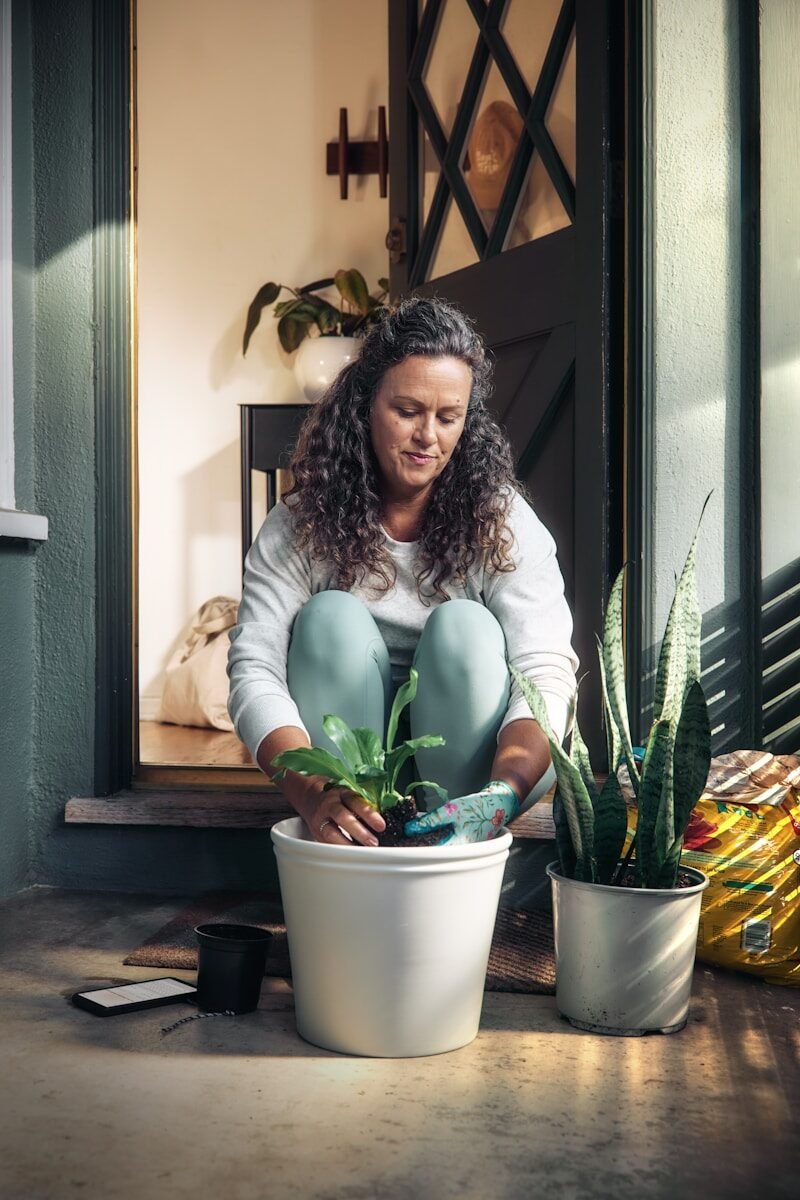
To successfully repot a houseplant, follow these steps: first, gently remove the plant from its pot, taking care not to damage the roots. Inspect the roots for any signs of rot and trim away dead or damaged portions. Afterward, place a layer of fresh potting mix in the new pot, position the plant at the center, and fill in with additional soil, making sure to leave room for watering. Lastly, water the plant thoroughly to settle the soil.
Propagation involves creating new plants from existing ones, and there are several effective methods to do so. One popular technique is through cuttings, where a healthy stem or leaf is severed and placed in water or soil to develop roots. For stem cuttings, allow the cut end to callous over before placing in soil for better success. Another feasible method is division, which is particularly useful for plants with multiple stems or offshoots. This involves separating the plant at the roots and potting each part as an independent plant.
In conclusion, mastering the techniques of repotting and propagation provides not only a healthier environment for your existing houseplants but also the opportunity to expand your greenery collection. Regular attention to these practices ensures that your indoor space remains vibrant and flourishing.
Common Houseplant Pests and Diseases
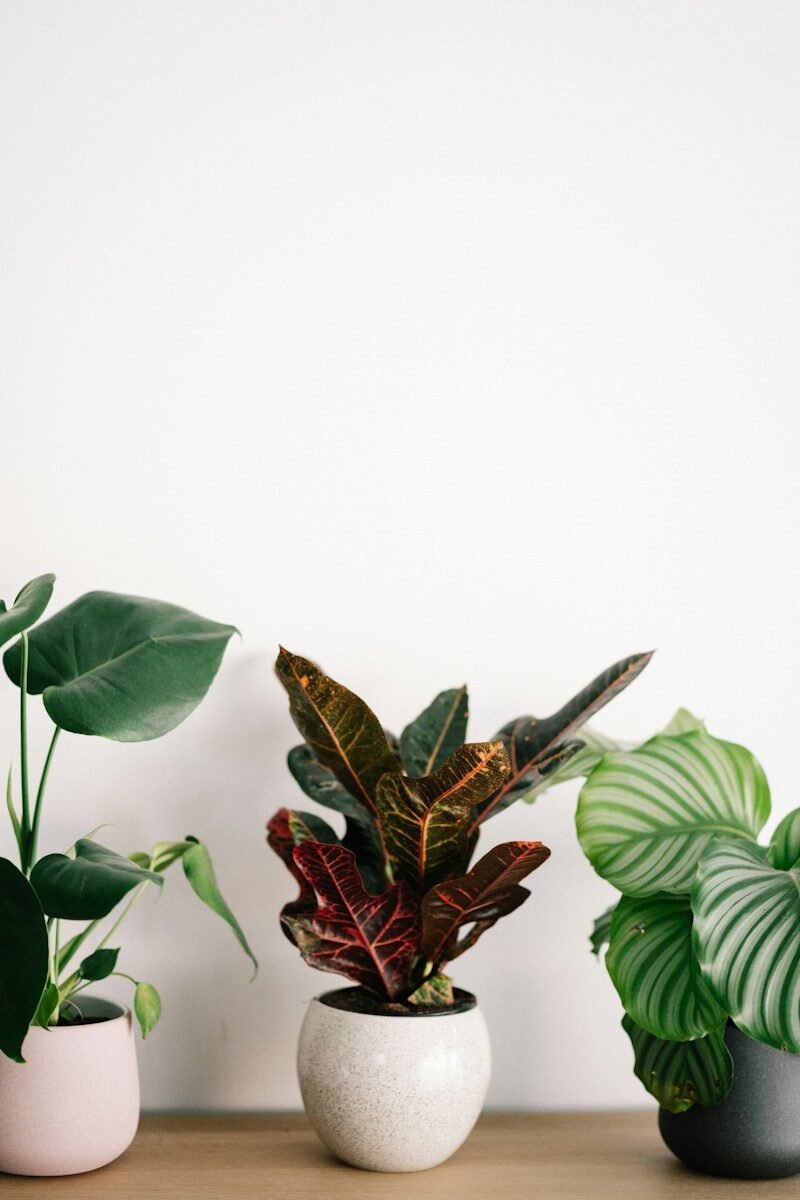
Houseplants can greatly enhance the aesthetics and air quality of indoor spaces. However, they are susceptible to various pests and diseases that can hinder their growth and vitality. Identifying these challenges early can prevent further damage and ensure the longevity of your houseplants.
One of the most common pests affecting houseplants is the spider mite. These minuscule creatures feed on plant sap and can quickly proliferate under warm, dry conditions. Symptoms of spider mite infestation include the appearance of tiny webs and yellow speckling on leaves. Regularly inspecting plants and maintaining optimal humidity levels can help mitigate such infestations.
Another notorious pest is the aphid, which also sucks sap from plant tissues, leading to poor plant health. Aphids can be identified by their small, pear-shaped bodies and their tendency to cluster on new growth. Introducing natural predators like ladybugs can provide an effective, eco-friendly control method.
In addition to pests, houseplants are prone to several diseases, with root rot being a prevalent issue. Root rot occurs when a plant’s roots become waterlogged and start to decay, often due to overwatering. This condition can be a significant threat to the health of your houseplants. Diagnosing root rot early is crucial; signs include wilting leaves, a foul odor from the soil, and darkened roots. To prevent root rot, ensure proper drainage and allow the soil to dry out between watering.
Fungal diseases such as powdery mildew may also manifest, often displaying white, powdery patches on leaves. Regular air circulation and proper spacing between your plants can reduce the likelihood of fungal infections. Additionally, using organic fungicides when necessary can support plant health and recovery.
In summary, understanding the common pests and diseases that can affect houseplants allows for proactive care. Awareness and early intervention are essential in maintaining your houseplants’ health and beauty.
Seasonal Care Tips for Houseplants
Caring for houseplants requires an understanding of their specific needs throughout the year. Each season presents unique challenges and opportunities for indoor plants, affecting their growth and overall health. During the winter months, many houseplants enter a phase of dormancy. This is when their growth slows significantly, and they require less water and fertilizer. It is crucial to reduce watering frequency, as overwatering during this time can lead to root rot and other problems.
In addition to adjusting watering habits, the placement of houseplants should be reconsidered in winter. With shorter days and less natural light, it may be necessary to move plants closer to windows or use supplemental artificial lighting to provide adequate illumination. This helps maintain their health and can prevent issues related to low light conditions.
As the seasons transition into spring and summer, houseplants typically thrive with increased growth rates. This period demands more frequent watering and fertilization to support their vigorous growth patterns. Regularly check the soil moisture, ensuring it is adequately moist, but not waterlogged. Fertilizing your houseplants during this time can provide essential nutrients that promote healthy foliage and vibrant blooms.
Temperature variations also play a critical role in houseplant care. Most indoor plants prefer consistent temperatures, often ranging from 65°F to 75°F (18°C to 24°C). During summer, ensure that plants are not subjected to extreme heat or direct sunlight that could scorch their leaves. Ventilation is equally important; proper airflow around plants can help prevent mold growth and pests.
Understanding these seasonal changes will aid in maintaining houseplant vitality, ensuring they remain healthy and vibrant throughout the year. By adapting care strategies according to the season, plant enthusiasts can enjoy their indoor gardens to the fullest, witnessing their green companions flourish.
Creative Ways to Display Houseplants
Incorporating houseplants into your indoor spaces can greatly enhance the ambiance of your home. To creatively display houseplants, one can explore a variety of innovative ideas that not only showcase the plants but also complement the interior design.
One popular method is to use unique planters. Opting for unconventional materials such as terracotta, ceramic, or even repurposed items like teacups and baskets can create a conversational piece. Hanging planters made from macramé or modern metal holders can add an airy touch to your decor. These types of displays can also maximize vertical space, particularly in smaller areas.
Vertical gardens or living walls are another excellent option. Utilizing wall-mounted planters can transform an empty wall into a vibrant green space. This method allows for various plant types, from trailing vines to compact succulents, creating a dynamic visual effect. Additionally, vertical gardens contribute to air purification, making them beneficial for indoor quality.
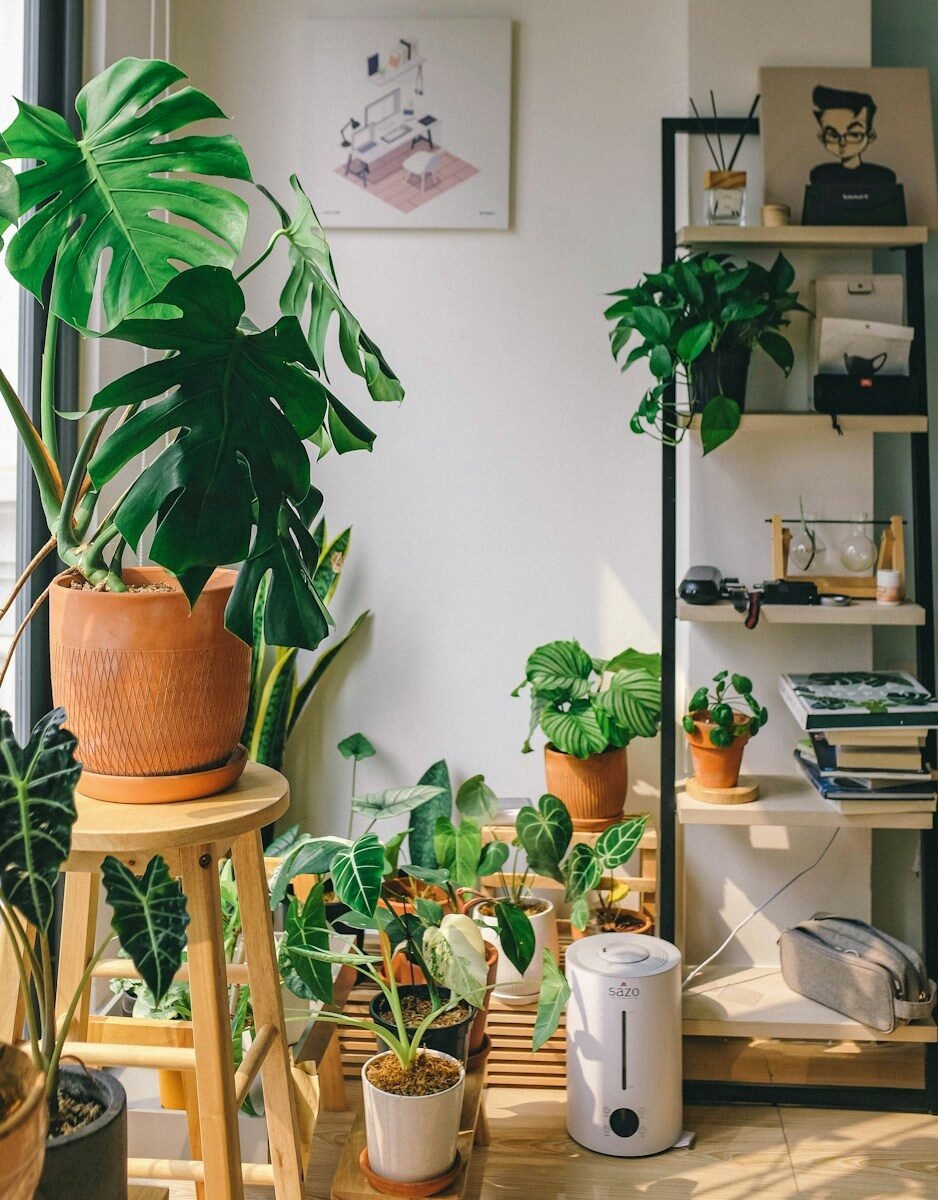
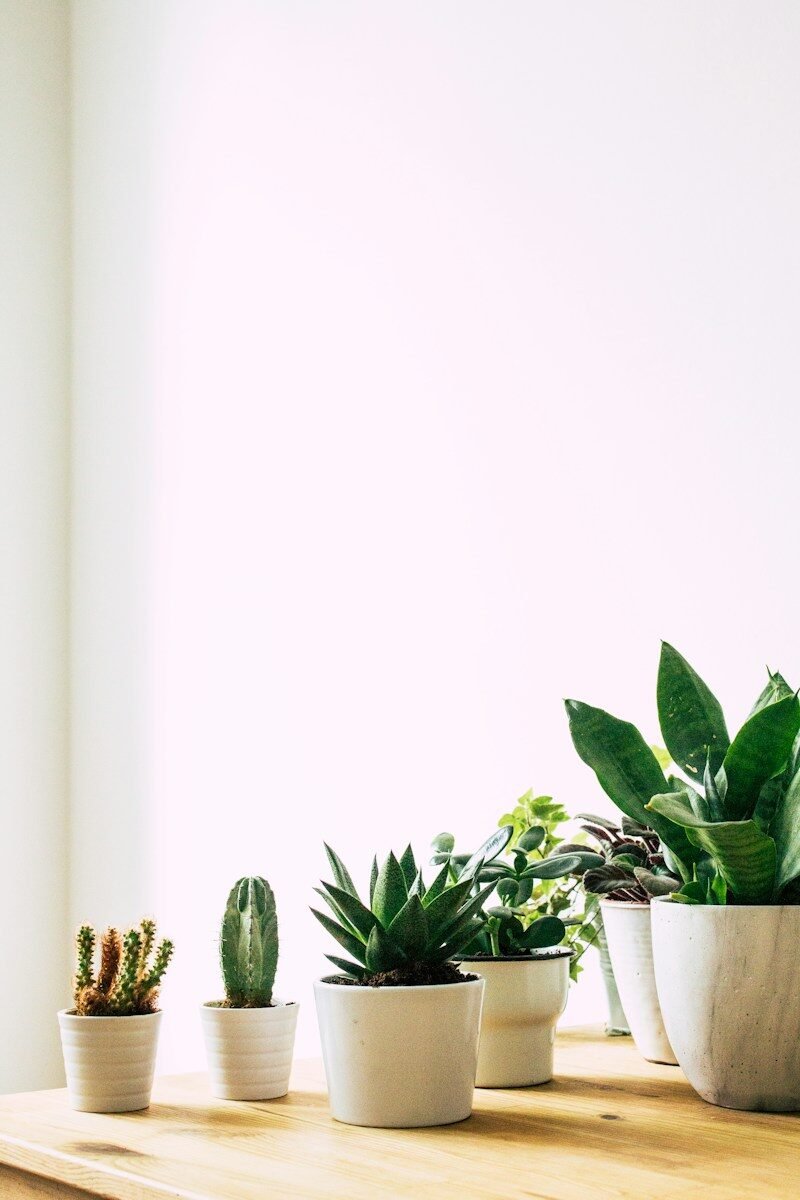
Another creative approach involves arrangements on shelves. By mixing plant sizes and types, one can create lively displays that break the monotony of standard decor. Tall plants can be positioned at the back, while shorter species can occupy the front. Adding decorative elements such as books or sculptures among the plants can provide layers and interest.
For those with limited floor space, using window sills can be a perfect solution. Choosing plants that thrive in indirect sunlight allows for a flourishing indoor garden that not only beautifies your living space but also enhances your well-being. Moreover, grouping plants in clusters by height and texture can create an eye-catching focal point.
All these creative forms of displaying houseplants can lead to a beautifully coordinated environment, making the act of nurturing plants a fulfilling and enjoyable experience.
Conclusion and Final Thoughts
In conclusion, the integration of houseplants into indoor spaces offers a multitude of benefits that extend beyond mere aesthetic appeal. These natural elements improve air quality by filtering toxins and releasing oxygen, contributing to a healthier living environment. Moreover, studies have shown that the presence of plants can significantly enhance mental well-being by reducing stress and increasing feelings of calm and relaxation. This fosters a more pleasant atmosphere, which is especially beneficial in our increasingly urbanized and often stressful lives.
Care for houseplants is not merely a hobby; it can be a rewarding experience that nurtures both the plants themselves and the caretaker. Understanding the specific needs of various plant species—such as light, water, and soil requirements—can enable owners to create thriving indoor gardens that complement their living spaces. This engagement with nature, even in a small indoor capacity, encourages mindfulness and personal responsibility, as well as a sense of accomplishment when plants flourish under one’s care.
Furthermore, houseplants serve as valuable educational tools, particularly for families and young children. Engaging with plants can spark interest in biology, ecology, and sustainability, helping to cultivate a deeper respect for the environment. By encouraging a culture of plant ownership, we not only beautify our homes but also promote lifelong learning and environmental stewardship. We encourage everyone to explore the world of houseplants, whether by starting simply with a few easy-care varieties or by expanding into a diverse collection. The journey of plant ownership can bring joy, tranquility, and renewed connection to nature within our homes.