Introduction: Caring for Your Snake Plant from The Sill
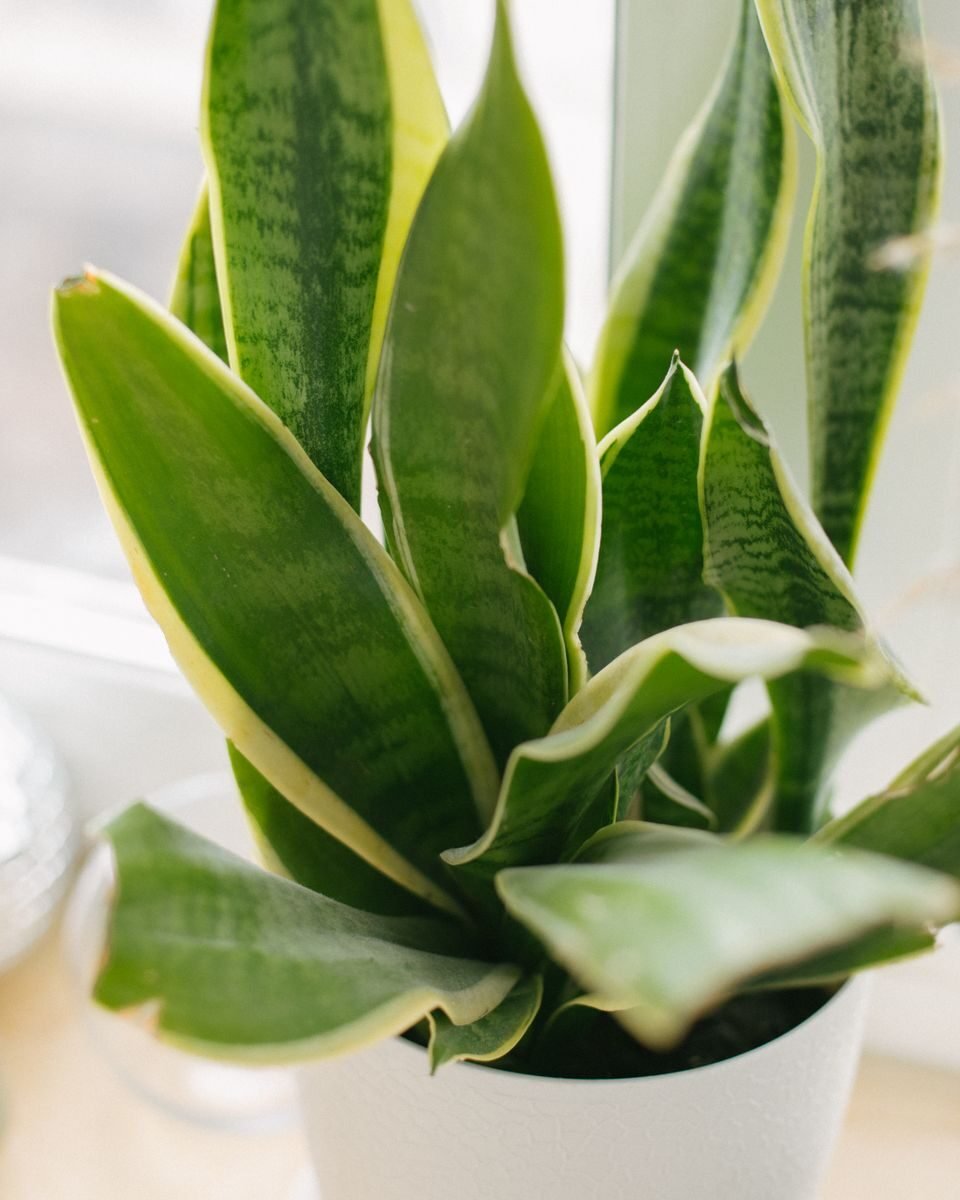
The Sill snake plant care is about pairing modern design with botanical resilience. This sculptural, sword-leaved icon brings calm to city corners, office shelves, and cozy bedrooms—thriving where many plants hesitate.
Whether you chose Laurentii’s golden variegation or the deep green Zeylanica, you’ve welcomed a plant that forgives missed waterings and still looks polished. With a few routines and smart placement, your Sansevieria (botanically Dracaena trifasciata) becomes a long-lived anchor for your space.
This guide translates brand-specific unboxing realities into day-to-day success. You’ll learn how to place it in real apartments, water wisely in typical retail soil, and troubleshoot post-shipping quirks fast—so your plant starts strong and stays stunning.
Along the way, you’ll find supportive resources, including an internal care library at Plant Doctoring: Plant Care and trusted references like the Dracaena trifasciata overview on Wikipedia. Your routine will feel simple, confident, and inspiring.
Quick Summary: The Sill’s Care Highlights for 2026
If you love quick wins, start here. These highlights turn your plant into a steady, sculptural success.
- Light: Medium to bright, indirect light is ideal. Tolerates low light, but growth slows. Use sheer curtains for south or west windows.
- Water: Allow at least the top 2–3 inches to dry between waterings. In average home conditions, water every 2–4 weeks; extend to 4–6 in winter.
- Soil: A fast-draining, gritty mix prevents rot. Think cactus/succulent blend with added perlite or pumice.
- Pot & Drainage: Keep in a nursery liner inside a decorative cachepot or use a planter with a drainage hole and saucer.
- Humidity & Temp: Standard indoor humidity works. Aim for 60–85°F (16–29°C); protect from drafts and cold windows in winter.
- Feeding: Light feeding in spring/summer with a gentle, balanced fertilizer at half strength monthly. Skip in fall/winter.
- Cleaning: Dust leaves monthly with a soft cloth to keep them glossy and efficient at photosynthesis.
- Rotation: Quarter-turn the pot every 2–3 weeks for even, upright growth.
- Pet Note: Mildly toxic if ingested; keep away from curious pets and kids.
- Troubleshooting: Wrinkling = underwatering; yellow mushy leaves = overwatering; pale leaves = insufficient light.
For deeper context on general plant routines, browse these plant care primers and save your favorites.
What You Get: Plant Size, Nursery Pot vs. Decor Planter, and Care Materials
Your delivery typically includes a healthy snake plant in a plastic nursery pot with drainage. Decorative planters vary—some have drainage with a saucer, others are cachepots without holes. The simplest approach is to keep the plant in its nursery pot and nest it inside the decor planter.
Expect sizes from compact desk-friendly pots to statement floor plants. Taller plants may have shipping stakes for stability. You might also see a light top-dressing (like moss) to keep soil tidy; simply lift or loosen it for watering checks.
- Nursery Pot: Provides effective drainage. Slide it into your display planter to control moisture and simplify watering.
- Cachepot Setup: If the decorative pot lacks a hole, keep the nursery pot inside it. Water at the sink, let excess drain, then return.
- Planters with Holes: Pair with a saucer and protect surfaces. Terracotta dries faster; ceramic retains moisture longer.
- Soil Type: Most retail mixes skew peat- or coco-heavy with added perlite. Great for shipping, but you may want to increase aeration over time.
- Care Materials: A gentle cloth for dusting, a wooden skewer to test moisture, optional moisture meter, and a small bag of perlite or pumice to lighten soil.
Unbox gently, remove packing material, and let the plant acclimate in bright, indirect light for a day or two before major moves. This gives it time to relax after transit.

Placement and Light Strategy: City Windows, Shelves, and Corners
Light is your quiet engine of growth. Snake plants tolerate low-light corners, but they truly shine with steady, filtered brightness. Picture an east window’s morning glow, a few feet back from a sunny south window with a sheer, or a bright office under skylights.
Use your phone’s light meter app as a guide. Aim for roughly 200–800 foot-candles (2,000–8,000 lux) for vibrant growth. In the 50–150 foot-candle range, your plant will endure but grow slowly and drink water more slowly, too.
- Windows: East windows are effortless. For south/west, hang a sheer to soften intensity. North windows are fine if the plant sits close to the glass.
- Shelves: Open shelves near windows are perfect. Avoid deep bookshelves far from light or add an LED grow bar.
- Corners: Pick a corner that still “sees” the sky. If your shadow is crisp in the day, you have bright light. Fuzzy shadow = medium. No shadow = low.
- Rotation: Turn the pot a quarter turn every few weeks to keep leaves uniformly upright and avoid leaning toward the window due to phototropism.
When rearranging furniture, let light lead. If you’re deciding between two spots, choose the one that brightens your mood when you first wake up. Plants, like people, respond beautifully to uplifting light.
For general placement refreshers and seasonal tweaks, you can also scan the insights at Plant Doctoring: Plant Care.
Watering and Soil Tips Tailored to Typical Retail Mixes
Most retail soils arrive moisture-retentive for safe shipping. Great for transit, but your snake plant prefers faster drainage. Think “desert-ready” roots with extra air pockets that dry predictably.
If repotting later, blend a gritty mix such as 50% cactus/succulent mix, 25% perlite or pumice, and 25% fine bark or coarse sand. This opens the structure so water moves through quickly and roots stay oxygenated.
- How to Water: Drench thoroughly until water runs from the drainage hole. Let it drain completely before returning it to a cachepot.
- Dryness Test: Insert a wooden skewer 2–3 inches deep. If it emerges clean and dry, it’s time to water. If damp crumbs cling, wait.
- Seasonal Rhythm: Spring–summer: every 2–4 weeks depending on light and pot size. Fall–winter: every 4–6+ weeks as growth slows.
- Pot Material: Terracotta breathes and speeds up drying; glazed ceramic holds moisture longer. Match pot choice to your home’s humidity and routine.
- Water Quality: Most tap water is fine. Avoid softened water high in sodium. If in doubt, let water sit overnight to dissipate chlorine.
When mixing or amending soil, extra perlite keeps things light. If your current soil is dense, gently tease in a handful around the root ball’s edges during the next maintenance session rather than rushing a full repot.
Bottom watering can help evenly moisten the root zone, but always discard leftover water from the saucer after 10–15 minutes to prevent soggy roots.
Common Post-Shipping Issues and Fast Fixes
Shipping is a short adventure your plant didn’t ask for. A day or two of grace makes a world of difference. Here’s how to smooth the landing and correct minor hiccups quickly.
- Leaf Creases or Bends: Cosmetic only. Stake gently if needed and rotate regularly. New growth will emerge straight.
- Soil Shifted in Transit: Top up with your gritty mix and water lightly to resettle. Avoid packing soil too tightly.
- Wrinkling or Curling: Usually thirst. Check soil dryness and give a slow, thorough drink.
- Yellow, Mushy Leaves at Base: Likely overwatering or poor drainage. Remove affected leaves at the base, let soil dry more between waterings, and ensure proper pot setup.
- Cold Stress: Pale patches or softened areas can follow winter delivery. Trim damaged sections and keep warm, bright, and stable.
- Pests (Mealybugs, Thrips): Quarantine, wipe leaves with 70% isopropyl, and repeat weekly until clear. See mealybug basics for ID.
If a leaf is deeply creased or scarred, consider it a rite of passage. Remove only if it truly bothers you. Healthy rhizomes will send up fresh spears in the seasons ahead.
For general pest and aftercare routines, check the practical refreshers in the Plant Doctoring library. Keep notes on dates and symptoms—that simple log will accelerate every fix you make.
Customer Support, Guarantee, and When to Reach Out
Great brands stand behind their plants, and documentation helps you get swift support. If anything looks off on arrival, act promptly. Clear, kind messages paired with good photos solve most issues fast.
- When to Contact Support: Severe cold damage on delivery, root rot within the first few weeks, widespread pest presence on arrival, or major breakage.
- What to Include: Order number, unboxing date, clear photos in daylight (full plant, close-ups, pot/soil, and any pests), plus a one-sentence summary of the issue.
- Timing: Reach out within the guarantee window. The Sill commonly advertises a Customer Happiness Guarantee (often around 30 days); verify the current terms on their site.
- Tone & Clarity: A concise subject line and a bullet-pointed message speed resolutions. For communication tips, see HubSpot’s customer service templates.
In many cases, you’ll be offered guidance, a replacement, or store credit. Keep the original packaging a couple of days in case support requests additional photos or a shipping label for returns.
Remember, your goal is a thriving plant. Good records—dates, watering intervals, and light conditions—make it easier for support to give targeted advice that actually works in your home.
Conclusion: Simple Steps for Long-Term Success
Keep your routine simple and steady. Bright, indirect light plus a patient watering rhythm gives your snake plant everything it needs to thrive beautifully.
- Place with Intention: Choose a spot with soft, dependable light. Rotate for symmetry.
- Water with Wisdom: Dry first, then drench. Err slightly on the dry side in cool or low-light seasons.
- Upgrade the Mix: A gritty, airy soil transforms care from guesswork to confidence.
- Clean & Observe: Dust monthly, log changes, and respond early to yellowing or wrinkles.
- Grow Slowly: Repot sparingly and celebrate compact roots—this plant loves a snug fit.
With these foundations, your The Sill snake plant care becomes second nature. The reward is a sculptural, evergreen presence that steadies the room and lifts your day every time you pass by.
FAQ: Repot Timing, Yellowing, and Travel Watering
When should I repot a snake plant from The Sill? Repot every 2–3 years or when roots push against the pot and watering frequency accelerates because soil dries very fast. Spring or early summer is best. Size up just 1–2 inches in diameter and choose a pot with drainage. If you love your decorative cachepot, keep the plant in its nursery pot and simply upsize the liner when truly snug.
Why are my snake plant leaves yellowing? Yellowing at the base that turns mushy signals overwatering or suffocation in dense soil. Trim affected leaves at the base with clean shears, let the mix dry more deeply between waterings, and consider adding perlite or repotting into a faster-draining blend. If yellowing is pale and uniform with slow growth, increase light and dust leaves for better efficiency.
How do I water while traveling? Deeply water the day before you leave and move the plant slightly farther from intense light to slow usage. For trips under two weeks, that’s often enough. For longer travel, set up a simple wick system using cotton cord from a water reservoir to the pot, or use a self-watering insert. Always test any system a week in advance to confirm the soil doesn’t stay soggy.
Will leaf cuttings keep the variegation? Some variegated snake plants revert to solid green from leaf cuttings. To preserve exact patterns, divide the rhizome instead. Propagation is optional—this plant is as happy simply growing on.
Is low light okay long-term? Yes, but expect slower growth and fewer new spears. Water less often and keep the plant closer to the window. If growth stalls, shift to brighter, indirect light and rotate every few weeks for balance.
If you need broader context on rhythms and routine, see the practical overviews at Plant Doctoring: Plant Care, and reference the species entry for Dracaena trifasciata for background.