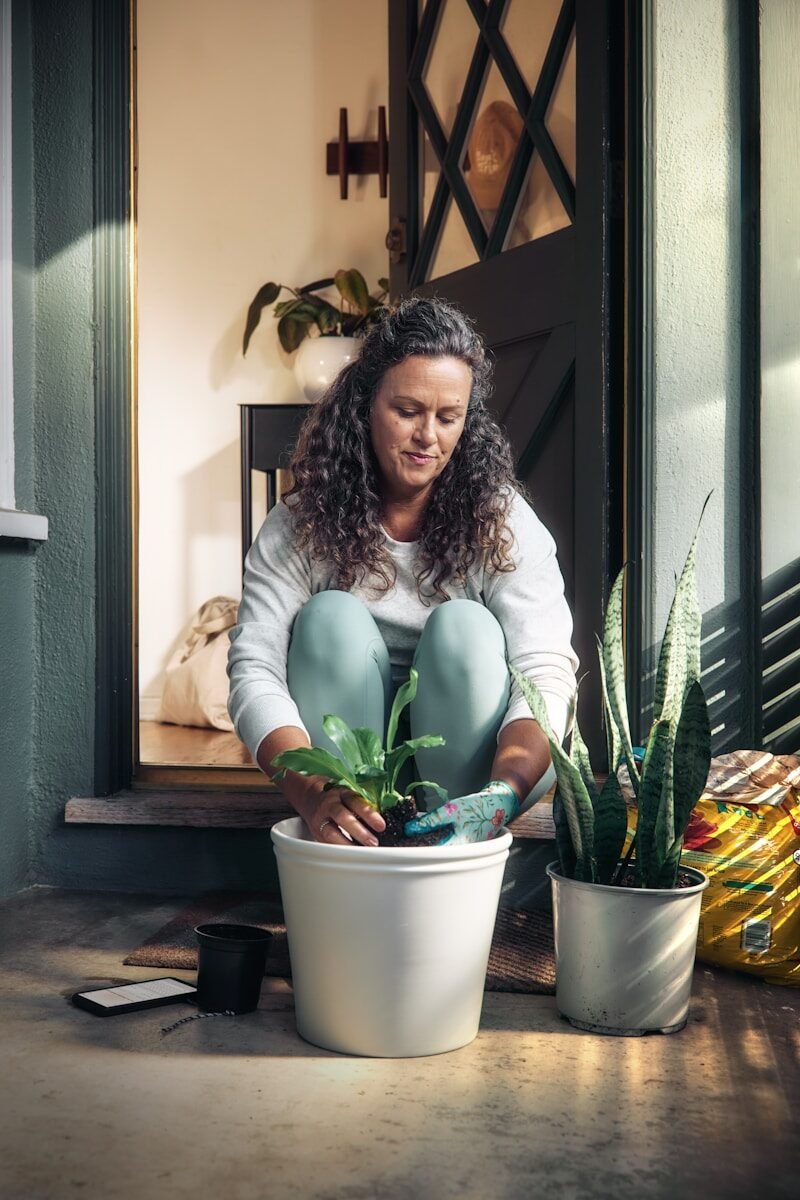
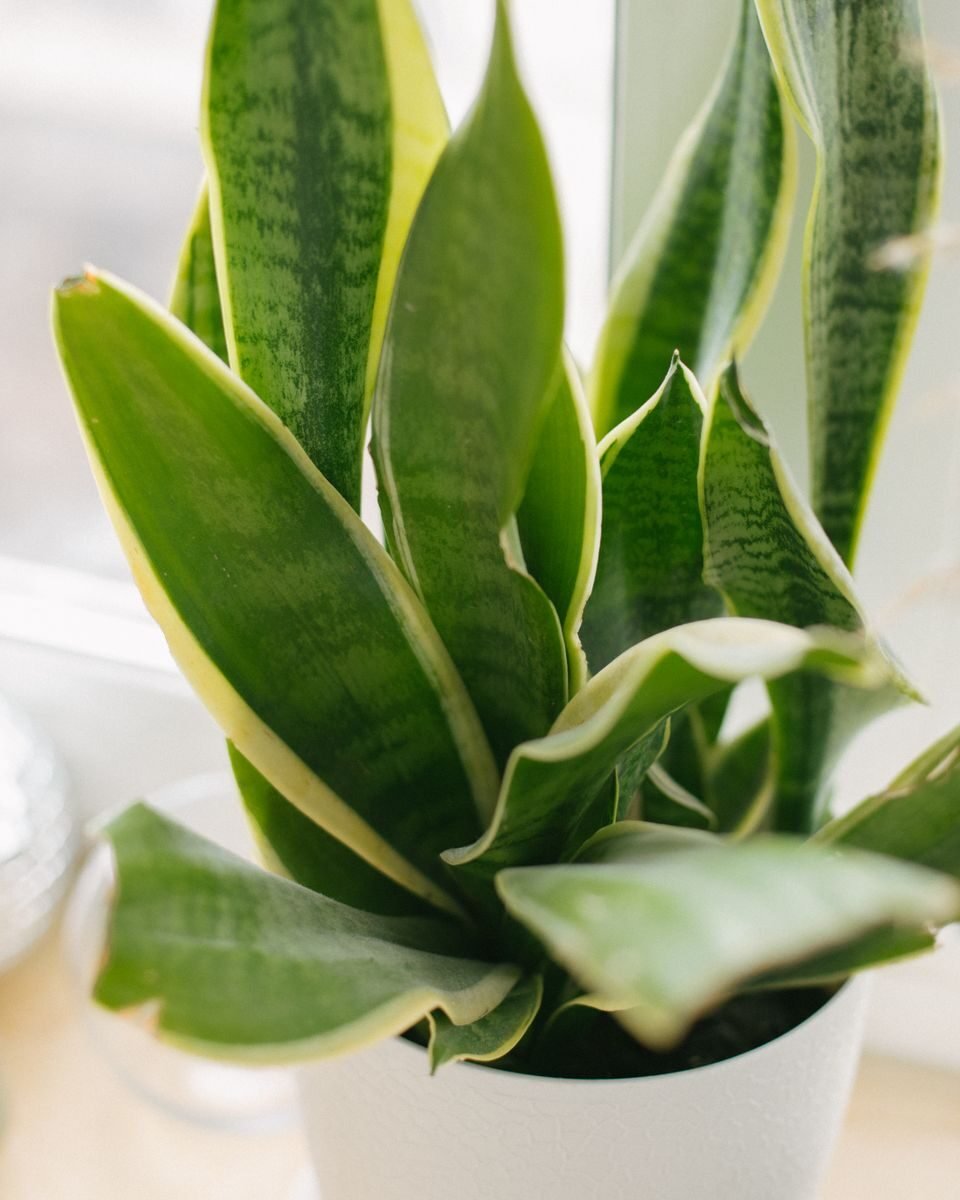
Introduction: What to Expect from Costa Farms in 2026
The Costa Farms snake plant has long been a gateway green friend for busy people, and 2026 looks like a banner year for this resilient icon. Think broader cultivar choices, stronger sustainability commitments, and even smarter packaging that treats plants like living cargo—because they are. If you have been waiting for the right moment to bring a Sansevieria home, this is the season where convenience and quality finally feel aligned.
What stands out now is the consistency. Plants arrive fuller, potting media drains better, and labeling is clearer. From classic green blades to silver and variegated stunners, you can curate a living sculpture that thrives on neglect. Expect clearer care guidance, improved heat and cold protection options, and packaging that reduces shock during transit.
If you are new to indoor gardening, this is a forgiving, confidence-building buy. And if you are leveling up your collection, the expanded cultivar lineup means you can select for color, pattern, height, or sculptural drama. Pair this with foundational tips from the indoor plant community and resources like the plant-care hub at PlantDoctoring and you will have a thriving display with minimal fuss.
Most importantly, 2026 invites you to grow with intention. Choose a plant that complements your light, your lifestyle, and your aesthetic—and let the process energize your space. The right Costa Farms snake plant can be both a design statement and a steadying daily ritual.
Quick Summary: Pros, Cons, and Overall Value
Here is the high-level take for busy shoppers who want clarity before they click add to cart. The 2026 editions deliver dependable quality with thoughtful packaging and a deeper bench of cultivars, while a few trade-offs still apply if you crave ultra-rare plants or extra-large, showpiece sizes shipped to your door.
- Pros: Consistent quality control; sturdy plants on arrival; well-draining, modern potting medium; more cultivars and pot sizes; improved cold/heat protection in transit; clear labels and care cards.
- Cons: Ultra-rare or collector cultivars may be limited release; occasional cosmetic leaf scuffs from transit; standard nursery pots might be snug for fast root growers; large floor sizes can incur higher shipping costs.
- Best For: Beginners seeking a worry-free first plant; renters and busy professionals; interior stylists who want low-maintenance greenery; anyone curating air-tough plants for low to medium light.
- Not Ideal For: Collectors hunting extremely rare variegates; buyers who want instant, oversized statement plants without repotting; those who need exact height specs to the inch.
Overall Value: High. You get healthy, acclimated stock, dependable shipping, and broad selection at fair pricing. If you want a versatile, long-lived houseplant that rewards a light touch, a Costa Farms snake plant is an easy yes.
Unboxing and First Impressions: Size, Health, and Potting Medium
Unboxing now feels streamlined and reassuring. The plant is braced with inserts so the pot stays put, and foliage is lightly secured to prevent leaf kinks. Corrugated sleeves and recyclable fillers keep movement to a minimum, a best practice in protecting living shipments during bumpy transit—learn more about this packaging staple via corrugated fiberboard.
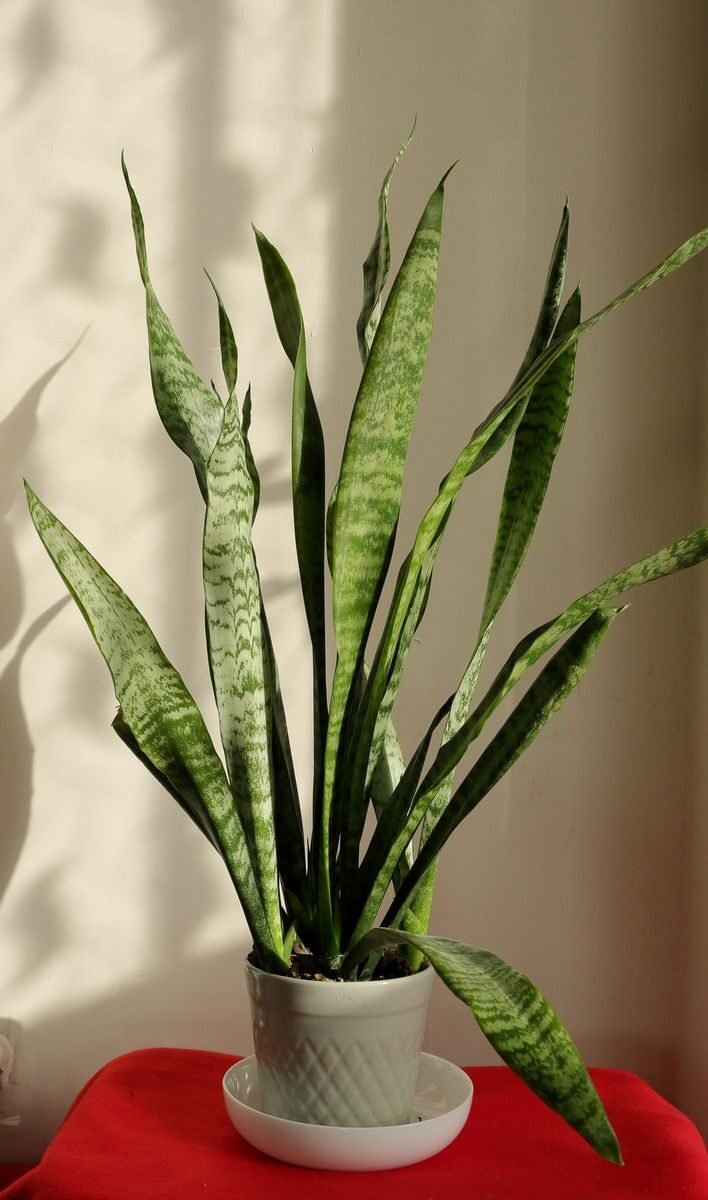
First look: leaves are upright and firm, with clear variegation and minimal blemishes. Minor cosmetic rubs can happen, but structural health is the real metric. Expect thick, turgid leaves and a stable root ball that holds together when gently nudged. Most plants arrive in nursery-grade plastic pots, which maintain moisture during transport while keeping weight reasonable.
The potting medium tends to be a well-draining blend—often peat or coir-based with perlite or pumice to encourage airflow. This is crucial for snake plants (botanically known as Dracaena trifasciata, formerly Sansevieria), which prefer to dry between waterings. If the surface feels slightly dry on arrival, that is by design to prevent rot during shipping.
Size-wise, the expectation is a well-rooted plant proportionate to its nursery pot, not a sparse starter. You will typically see multiple growth points, with newer spears centered and older growth around the edges. If you like immediate fullness in a display pot, consider grouping two of the same cultivar together for instant visual mass.
Cultivar Selection and Availability: From Classics to Trendy Picks
The 2026 lineup reads like a design catalog. You will find tried-and-true classics such as Laurentii and Zeylanica, with architectural sword leaves and dependable green-yellow variegation. For a moody, modern palette, Black Coral offers deep bands that pop against light walls. If you crave a softer statement, Moonshine brings silvery, matte foliage that makes neutral interiors glow.
Trend-forward buyers should watch for limited drops and seasonal rotations. Whale Fin (D. masoniana) remains a sculptural favorite for its singular, paddle-like leaf. Compact rosette forms like Hahnii and Night Owl suit desks and shelves, while Bantel’s Sensation delivers refined vertical striping for a boutique vibe. Stock ebbs and flows with demand, so consider setting alerts or checking in weekly when you are cultivar-specific.
As always, choose for your light and space. Darker cultivars handle lower light with grace, though growth will slow. Variegated or silver forms appreciate brighter indirect light to maintain contrast. If you are curating a cohesive theme, mix heights and leaf tones but keep to a consistent pot style for harmony.
New to matching plants with your room? Browse foundational guides at PlantDoctoring’s plant-care hub for light mapping, watering rhythms, and troubleshooting tips. Pairing the right cultivar with your actual conditions is the secret to a set-it-and-thrive display.
Pricing, Shipping, and Packaging Protection: Transit Readiness
Pricing feels calibrated to value. You are paying for healthy, established plants that ship well, plus the peace of mind that comes from thoughtful packaging. Standard sizes remain accessible, with premiums attached to rare cultivars or larger-format floor plants. Keep an eye on bundles or limited collections if you want to stretch your budget without sacrificing variety.
Shipping continues to improve. Cold-weather routes can be paired with heat packs and extra insulation; summer routes lean on breathable wraps to avoid condensation. Expect fast order processing and accurate tracking. If weather swings in your region are dramatic, timing your purchase around a stable window is often worth the few days’ wait.
Unboxing is more than a trend—it is a service moment. Companies that invest here lower damages and boost delight, as the unboxing experience research highlights. Structurally braced pots, foliage sleeves, and recyclable materials reduce tip-overs and leaf bruising. It is a small design orchestra that signals your new plant was protected as a living thing, not a static product.
As you evaluate total cost, factor in reduced replacement risk and time saved. A resilient species, sturdy packaging, and clear care information add up to a purchase that performs. That is the invisible ROI behind a well-prepared, transit-ready Costa Farms snake plant.
Aftercare Guide: Acclimation, Quarantine, and Repotting Recommendations
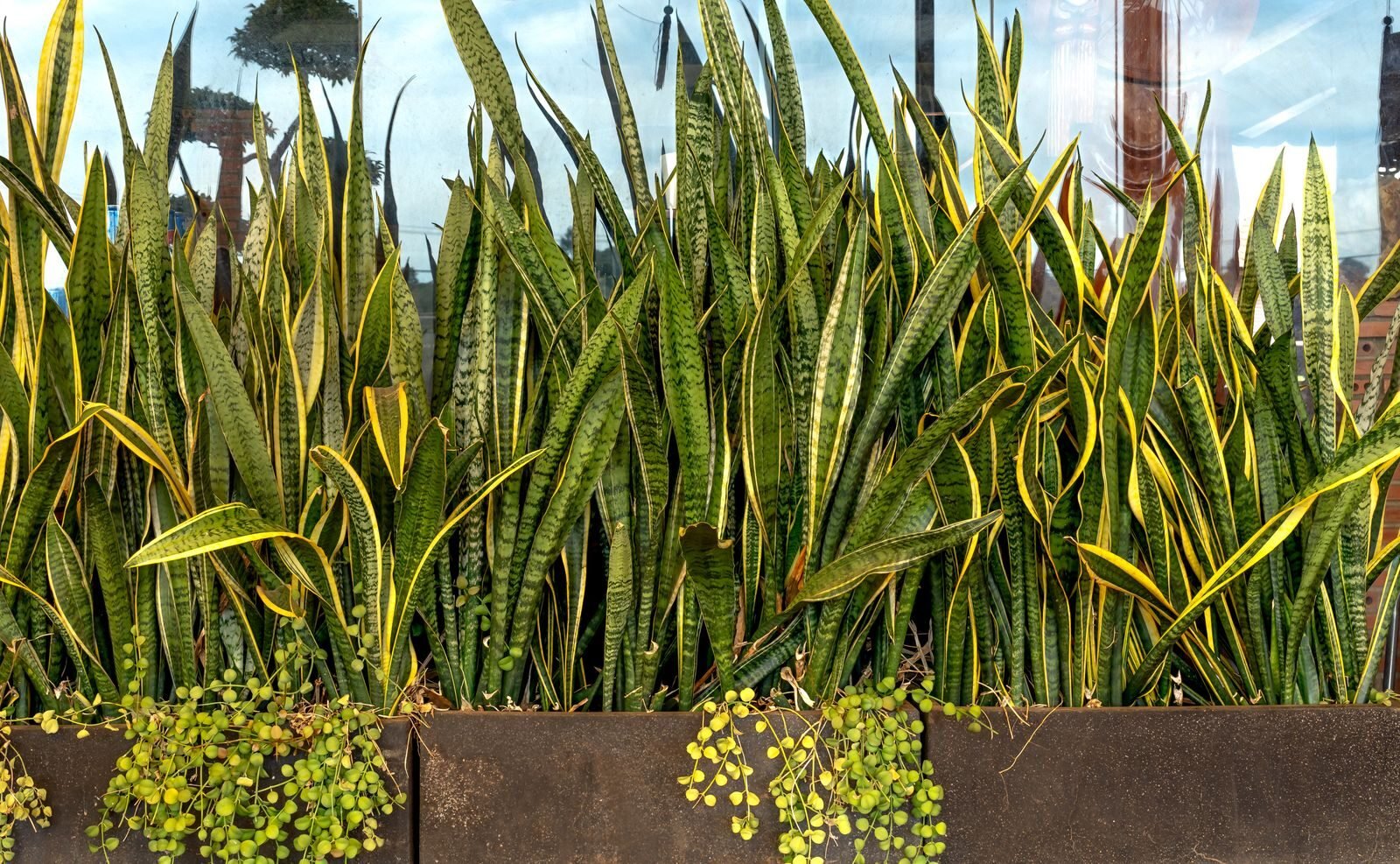
Day one is about patience and gentle acclimation. Your snake plant has traveled; give it a soft landing and resist the urge to fuss. A simple routine over the first two weeks sets up years of easy growth.
- Acclimation: Start in bright, indirect light out of direct sun. Avoid immediate watering unless the soil is bone-dry. Let the plant breathe and normalize to your home’s humidity and temperature.
- Quarantine: Place new arrivals on a separate shelf for 10–14 days. This protects your collection while you observe for hitchhikers or stress. Explore prevention basics via the plant-care library at PlantDoctoring.
- Watering: Snake plants prefer the soak-and-dry method. Water thoroughly, then allow the top 2–3 inches to dry (more in low light or winter). Overwatering is the fastest route to root rot.
- Repot Timing: Wait 2–4 weeks before repotting unless the plant is clearly pot-bound or the soil smells sour. A brief pause minimizes shock.
- Soil Mix: Choose a chunky, mineral-leaning mix. A simple recipe: 40% high-quality potting soil, 40% pumice or perlite, 20% orchid bark. This keeps roots aerated and resilient.
- Pot Choice: Snake plants are happy slightly snug; size up just 1–2 inches in diameter. Terracotta helps prevent soggy roots by wicking moisture.
- Fertilizer: Light feeder. Use a balanced, diluted fertilizer once a month in spring and summer. Skip in winter.
- Cleaning & Styling: Wipe leaves with a damp cloth to remove dust and let the variegation shine. Rotate the pot monthly for even growth.
One myth to clear up: while often touted as an air-purifying miracle from the NASA Clean Air Study, real home impact is modest unless you keep a literal jungle. Still, few plants combine sculptural beauty and low effort as elegantly as this one.
Who It’s Best For and Alternatives to Consider
If your schedule is full or your lighting is imperfect, a Costa Farms snake plant meets you where you are. It is the ultimate confidence builder for new plant parents and a styling workhorse for seasoned collectors. Place it in a hallway, home office, or bedroom and enjoy the instant elevation of green architecture.
Best For: Busy professionals, renters who move often, minimalists who prefer clean lines, and anyone who wants greenery that forgives a missed watering. If you’re designing a low-maintenance, design-forward space, this is your anchor plant.
Consider Alternatives: If you want equally easy care with a different look, explore ZZ plant (Zamioculcas zamiifolia) for glossy, upright fronds or Pothos (Epipremnum aureum) for a trailing vibe. If you crave rarity, shop specialty growers for variegated Sansevieria or uncommon Dracaena cultivars—but expect higher prices and waitlists.
Need help choosing for your room conditions or routine? Start with practical primers at PlantDoctoring to dial in light, watering cadence, and pot sizing. From there, your plant choice becomes a creative decision rather than a gamble.
Conclusion: Is It Worth It for Your Needs?
When you want a plant that fits real life, the 2026 Costa Farms snake plant delivers. It meshes beautifully with minimalist, boho, or modern decor, and it thrives on a simple care routine. The value equation lands in your favor: dependable quality, smart shipping, and enough cultivar personality to match your space.
If you’re buying your first houseplant, this is the green that helps you succeed. If you’re expanding a collection, target cultivars that add texture and contrast to what you already own. With thoughtful acclimation and a bright, indirect light spot, you’ll enjoy years of nearly effortless growth—and a daily reminder that living design can be simple, resilient, and inspiring.
FAQ: Shipping Times, Replacements, and Plant Sizing
How long does shipping usually take? Most orders ship within a few business days, with transit times of 2–7 days depending on region and weather safeguards. During extreme temperatures, your order may be held briefly for safe release—a smart trade-off that preserves plant health.
Do they offer replacements if a plant arrives damaged? Reputable sellers typically stand behind live arrival. Document issues within the stated window using clear photos of the box, pot, and foliage. Minor cosmetic blemishes aren’t usually replacement-worthy, but significant breakage or rot should qualify. Always check the latest policy at checkout.
What size should I expect on arrival? Product pages usually list height ranges measured from the soil line. Expect variation due to natural growth patterns; some cultivars are naturally shorter or broader. If exact height matters for a shelf or niche, size up or choose a taller cultivar profile like Laurentii.
Will my snake plant arrive in a decorative pot? Most arrive in nursery pots optimized for shipping. This keeps the plant lighter and safer during transit. Slip the nursery pot into your favorite cachepot on day one, then consider repotting after acclimation if you want a permanent upgrade.
Is winter shipping safe? Yes, when combined with heat packs and insulation. If your region experiences severe cold snaps, look for weather holds and consider expedited shipping to cut time in transit. Packaging has improved significantly to buffer temperature swings.
For deeper care how-tos after unboxing, browse the practical guides at PlantDoctoring’s plant-care section. You’ll find step-by-steps on watering rhythms, potting mixes, and light mapping that keep snake plants thriving for the long haul.