Introduction: Why Drainage Matters More Than Aesthetics
When you shop for a pot, it’s easy to fall in love with color, pattern, and shape. But for snake plants, drainage matters more than aesthetics. These resilient beauties store moisture in rhizomes and leaves, so excess water lingers in the root zone and invites rot. The right container preserves airflow, drains quickly, and keeps the plant balanced.
In this snake plant pot with drainage reviews guide for 2026, you’ll learn exactly which pot features prevent soggy soil and wobbly growth. We’ll compare materials, test drainage speeds, and match pot designs to tall cultivars that love to reach for the ceiling. Our goal: a container that’s as functional as it is beautiful—because form should follow plant health.
Snake plants, botanically known as Dracaena trifasciata, are tolerant of occasional neglect. Yet even the toughest specimen will falter in a pot that traps water or tips from top-heavy leaves. The right vessel supports roots, prevents perched water, and stabilizes mature growth.
If you’re optimizing a whole care routine, pair this container guide with actionable tips from our internal plant care library: see Snake Plant Care Guide and our breakdown of common watering mistakes for a complete strategy.
Big picture: choose drainage-first, then pick a finish and silhouette that match your room. Healthy roots carry the style the rest of the way.
Quick Summary: What to Look For in 2026 (Hole Size, Material, Stability, Saucers)
Short on time? Here’s your 2026 checklist for a snake plant pot that drains fast, breathes well, and stands tall.
- Drainage hole size: Aim for at least 1.2–1.6 cm (0.5–0.63 in) on pots 6–10 in diameter. Larger containers benefit from 2+ holes or one wider opening with a raised inner lip to prevent clogging.
- Material matters: Terracotta is porous and forgiving. Glazed ceramic holds moisture longer but cleans up easily. Lightweight plastic is flexible, affordable, and great as a grower insert. Modern self-watering systems with an overflow channel protect against accidental overfilling.
- Stability: Tall snake plants are top-heavy. Choose a pot with a weighted base, thicker walls, or a squat silhouette. Pot feet or a ribbed saucer reduce slip and improve airflow.
- Saucers: Pick a saucer that holds at least 10–20% of a typical watering volume, with easy pour-off edges so water never sits under the pot for long.
- 2026 upgrades to watch: integrated mesh screens, removable stopper plugs, recycled-plastic walls with added mineral filler for stiffness, and micro-ridge interiors that reduce soil compaction.
Before you hit “buy,” scan customer photos and specs. Look for comments about hole diameter, saucer fit, and tipping. For guidance on vetting reviews and social proof, this primer from HubSpot on how social proof works can sharpen your product research.
Want deeper background on watering strategy alongside your pot choice? Browse our Plant Care archive for practical, plant-tested methods.
Testing Criteria: Drainage Rate, Material Breathability, Balance, and Cleanup
Not all drainage holes or materials behave the same. To evaluate options for this snake plant pot with drainage reviews article, we focus on measurable outcomes that matter in real homes.
- Drainage rate: After watering a standard gritty mix, we time how long it takes for the first drip and for the stream to taper off. Faster first drips and a steady stream indicate less risk of perched water. We also note clogging when fine particles block small holes.
- Material breathability: Terracotta and unglazed clay wick moisture via capillary action, promoting gentle evaporation. Glazed ceramic retains moisture longer but curbs salt staining. Plastics vary by thickness and filler; textured interiors can reduce soil slumping and channel air.
- Balance and base design: We apply gentle lateral pressure to simulate bumps and measure tilt resistance. Wider bases, thicker walls, and low centers of gravity reduce the “domino effect” common with tall, mature snake plants.
- Cleanup and mineral build-up: Hard water leaves crusts of calcium and salts. We assess how quickly the pot shows deposits and how easily they scrub away—vital for maintaining a clean look indoors.
We also evaluate saucer fit and the ability to pour off excess without spilling. A saucer that nests too tightly traps humidity; one that’s too shallow encourages overflow.
Tip: Soil composition shifts outcomes. Pair any pot with a free-draining mix and refresh compaction annually. For repotting fundamentals and substrate recipes, see our Soil & Repotting guide.
Best Pots by Category: Terracotta, Glazed Ceramic, Lightweight Plastic, Self-Watering with Overflow
Here are the standout categories that consistently deliver healthier roots and cleaner watering for snake plants. Use these as your north star when reading product pages and comparing designs.
Terracotta (Unglazed)
- Why it shines: High porosity breathes and wicks, mitigating overwatering mistakes. Salt crusts are normal and easy to brush off.
- Watch for: Thinner clay can chip. Confirm hole size and consider an extra hole on pots over 10 inches.
- Best for: Beginners, heavy-handed waterers, and low-light rooms where evaporation is slower.
- Pro tip: Pair with a deep saucer and pot feet for airflow. Learn more about clay’s properties at Wikipedia: Terracotta.
Glazed Ceramic
- Why it shines: Elegant finishes, easy to clean, often heavier for natural stability. Great for display areas.
- Watch for: Slower evaporation; choose a pot with a generous drainage hole and a saucer that’s not fully enclosed.
- Best for: Bright rooms and owners who water thoughtfully or travel less.
- Pro tip: A slightly wider base controls top-heaviness in tall cultivars. For material context, see Ceramics overview.
Lightweight Plastic (Grower/Nursery Style)
- Why it shines: Affordable, durable, and easy to drill extra holes. Great as an inner pot slipped into a decorative cachepot.
- Watch for: Ultra-thin walls may flex and tip with tall plants. Choose recycled blends with mineral fillers for stiffness.
- Best for: Budget setups, renters, and anyone who likes to tweak drainage layouts.
- Pro tip: Nest inside a heavier outer pot for stability; leave space beneath for airflow and spill control.
Self-Watering with Overflow
- Why it shines: Consistent moisture without guessing—only when paired with an overflow port that prevents overfilling and a wicking shelf that keeps the root crown dry.
- Watch for: Units without a true overflow can drown roots. Ensure fill-tube visibility and an easy-clean reservoir.
- Best for: Hot rooms, frequent travelers, and offices where a weekly fill is realistic.
- Pro tip: Seek independent overflow tests and diagrams. For a market snapshot of designs, browse Forbes Home on self-watering planters.
Need help matching a category to your watering habits? Our comprehensive snake plant care guide breaks down moisture signals that sync with each pot type.
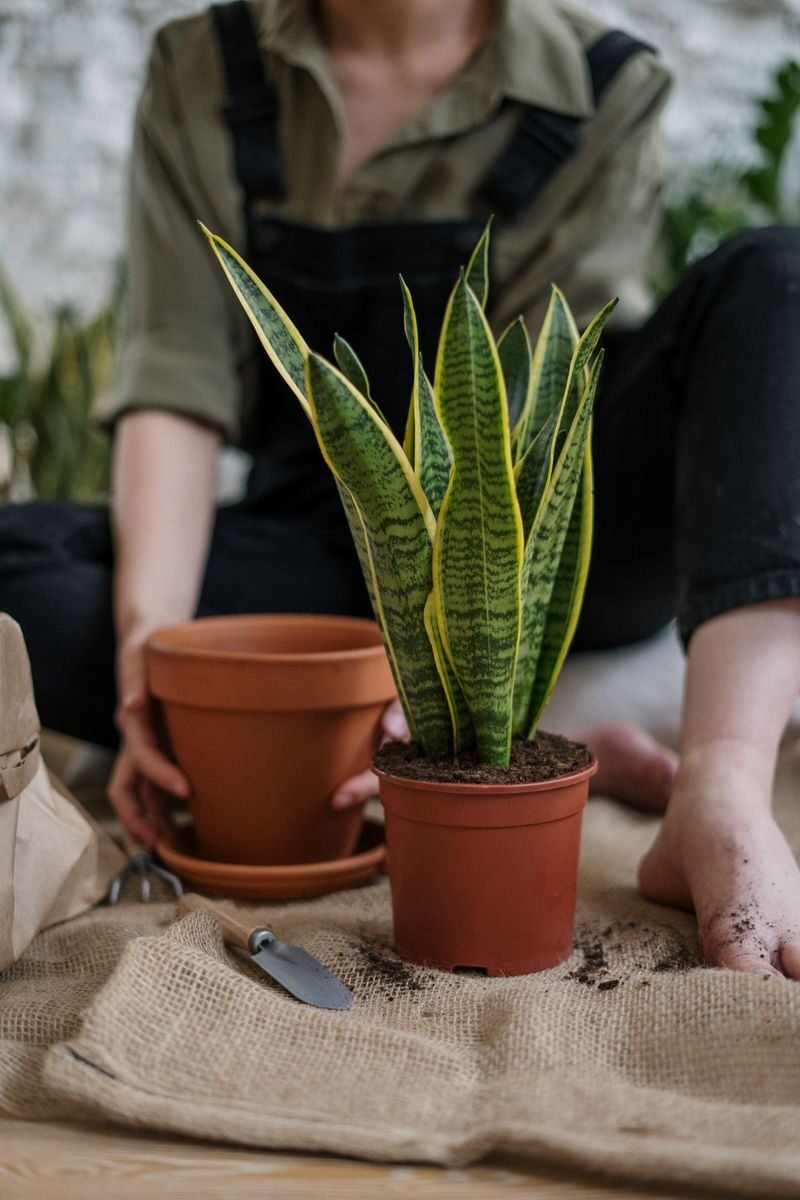
Sizing Guide: Pot Diameter vs. Root Ball and Upright Growth Habit
Right-size your container and your plant will reward you with strong, upright fans. Oversize it, and you’ll trap water in empty soil; undersize it, and growth stalls or tips the pot.
- Diameter rule of thumb: Choose a pot that is about 10–20% wider than the current root ball. For a 6-inch root mass, target a 6.5–7.25 inch inner diameter, not a huge jump to 10 inches.
- Depth matters: Aim for a pot just deep enough to cover the rhizomes with 2–4 cm (about 1–1.5 in) of mix. Excess depth increases the perched water zone.
- Stability for tall cultivars: As leaves exceed 24 inches, prioritize a broader base or a heavier material. A squat 8-inch glazed ceramic can outperform a tall 8-inch cylinder for anti-tip safety.
- Repot timing: When roots circle tightly or lift the plant, size up one step only. Split crowded clumps to maintain form and reduce leverage that can tip the pot.
For step-by-step repotting, including how to handle woody rhizomes and reduce shock, visit our Soil & Repotting tutorial. Matching diameter to the root mass is the fastest way to maintain drainage integrity without micromanaging waterings.
Setup and Maintenance: Mesh Screens, Pot Feet, and Removing Mineral Build-Up
Good pots become great when you set them up for airflow and easy cleaning. A few small upgrades dramatically improve drainage performance and indoor cleanliness.
- Mesh screens: Place a small stainless or plastic mesh over the hole to stop soil loss without blocking flow. Avoid coffee filters or paper towels that can clog or mold.
- Pot feet or risers: Lifting the pot 0.5–1 cm encourages air under the base and prevents the saucer from sealing moisture against the hole. It also makes it easier to pour off excess water.
- Saucer discipline: Water thoroughly, then empty the saucer within 10 minutes. Standing water re-enters the pot by capillarity and undermines drainage.
- Salt and mineral build-up: White crusts come from hard water and fertilizer salts. Wipe glazed ceramic with diluted vinegar (test first), scrub terracotta with a stiff brush, then rinse well.
- Monthly flush: Take the pot to a sink or tub and run water through for 2–3 minutes to leach salts. Let it drain completely before returning it to the saucer.
If you notice persistent salt issues or leaf tips browning, review nutrients and water quality. Our guide to preventing fertilizer build-up and this refresher on watering mistakes will help you course-correct quickly.
One more hack: if your self-watering planter allows it, pull the stopper and test the overflow in the sink before first use. Confirm that water exits cleanly and does not backflow into the root zone.
Conclusion: Pair Form with Function for Healthier Plants
A planter can elevate your room, but the best ones elevate your plant first. By prioritizing a generous drainage hole, the right material, solid balance, and a practical saucer, you create the easiest path to a thriving snake plant.
As you browse snake plant pot with drainage reviews, use this guide as a lens: read specs for hole size, look for real-world photos of saucer fit, and choose a silhouette that won’t topple. Style follows health—glossy leaves and upright fans turn any pot into a showpiece.
When you’re ready to round out the routine, explore more indoor-plant wisdom from our Plant Care archive. Pair smart containers with tuned watering, light, and soil, and your Sansevieria will reward you for years.
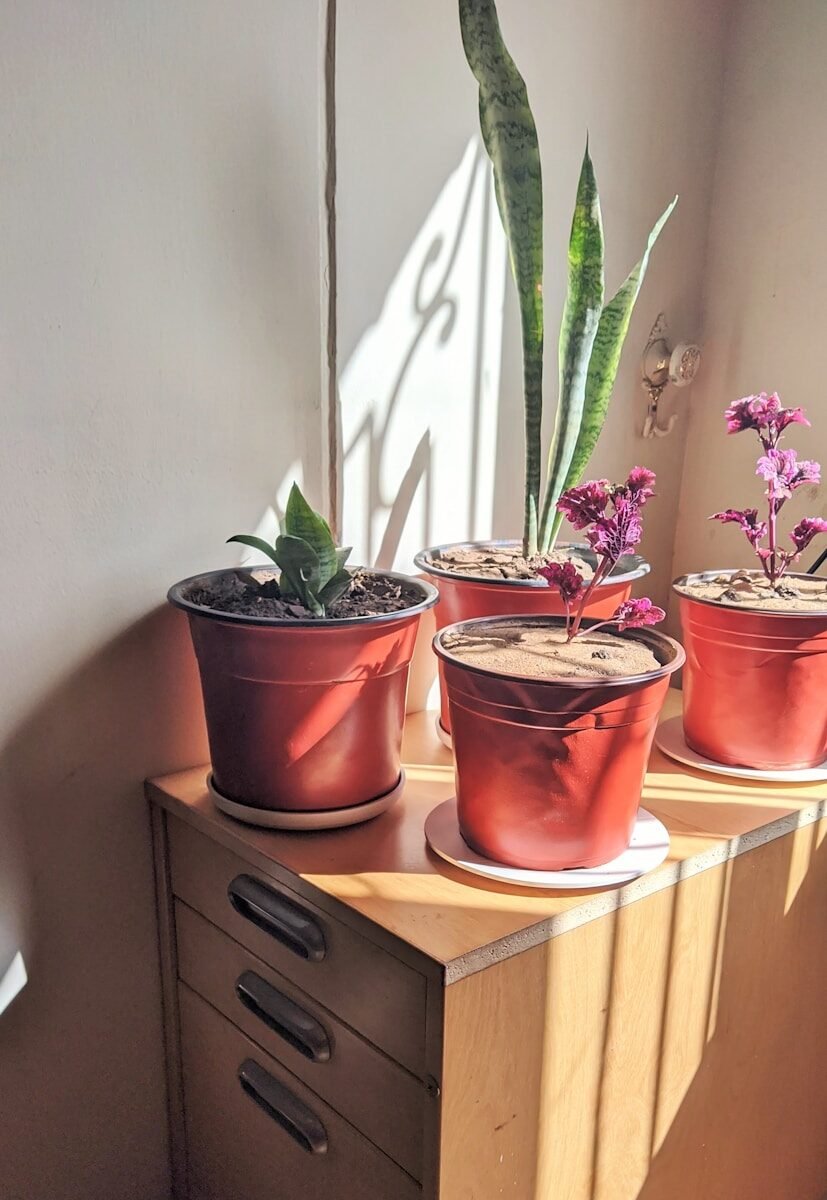
FAQ: Single vs. Multiple Holes, Cachepots, and Indoor Saucers
Is one large drainage hole better than several small ones?
For snake plants, a single large hole (0.5–0.63 in) drains quickly and resists clogging. Multiple smaller holes work too if they total similar area, but they can trap fine particles. If you choose multi-hole designs, add a mesh screen and a gritty mix to keep pathways open.
Can I use a cachepot without a drainage hole?
Yes—if you keep your plant in a plastic or nursery pot with drainage and slip it inside the decorative outer pot. Water at the sink, let it drip clear, then place it back. Leave space at the bottom for airflow and never allow standing water to pool unseen.
Do indoor saucers cause root rot?
Not if you empty them. Saucers are essential for protecting floors, but they must be emptied within 10 minutes after watering. Pot feet help prevent backflow. For more foundations on indoor setups, browse our resource on indoor light levels to sync watering with light-driven evaporation.
Are self-watering pots safe for snake plants?
Yes, with a true overflow and a wicking design that keeps the crown above the water line. Avoid sealed reservoirs without an escape route. When in doubt, start with a partially filled reservoir and watch leaf firmness as feedback.
How do glazed ceramic and terracotta compare for mineral stains?
Glazed ceramic resists staining and wipes clean easily. Terracotta shows salts faster because it breathes—this is normal and harmless. A periodic scrub keeps it tidy; see the terracotta overview on Wikipedia for material context.
What soil mix works best in these pots?
Use a free-draining blend like cactus/succulent mix boosted with coarse perlite or pumice. The pot’s job is to move water out; the soil’s job is to keep air in. Together, they prevent the soggy conditions that snake plants dislike.