Introduction: Why Water Timing Matters More Than Volume
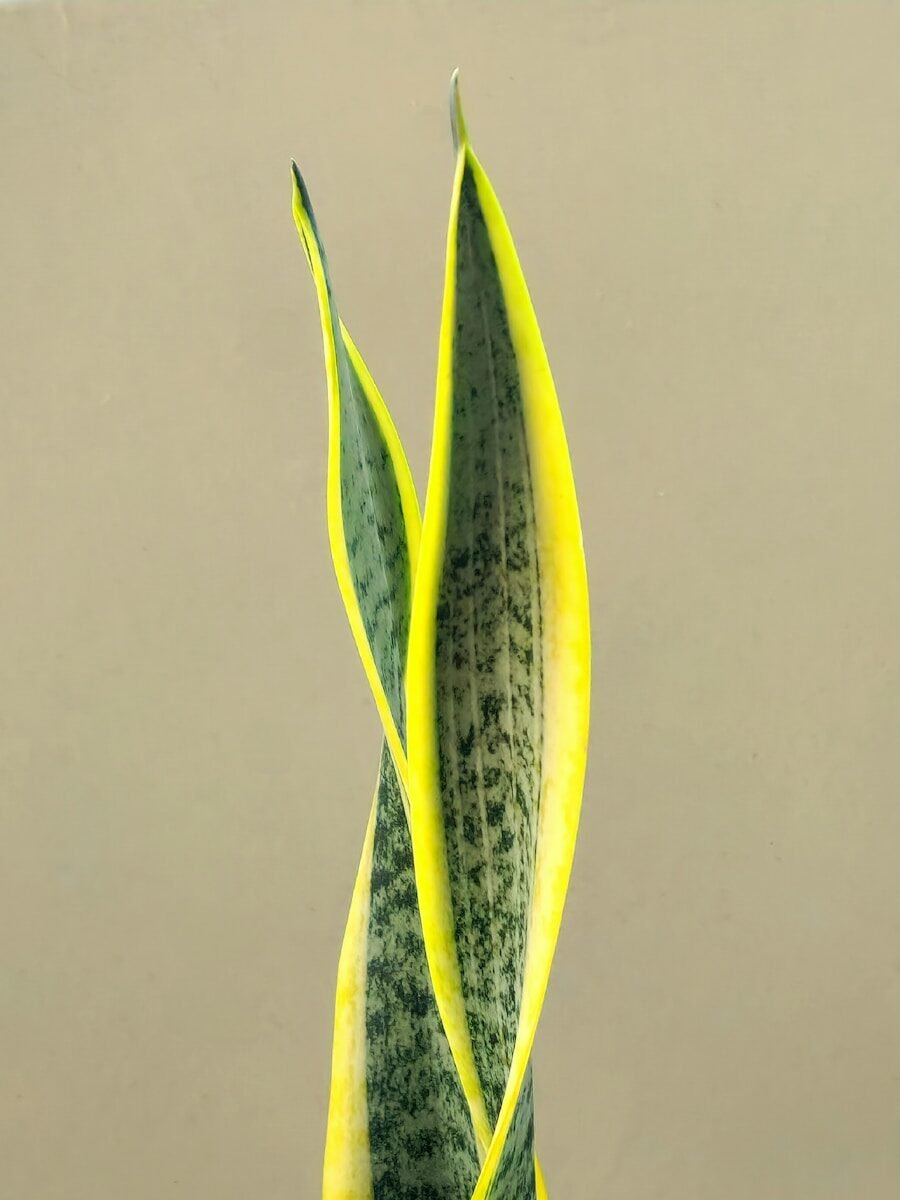
Your snake plant is a desert-born strategist, not a thirsty forest dweller. It thrives when water arrives at the right time, not in the biggest amount. Mastering timing protects roots from rot, powers steady growth, and keeps leaves upright, glossy, and boldly patterned.
Snake plant, also known as Sansevieria or Dracaena trifasciata, is a drought-adapted succulent and a CAM plant that opens its stomata at night. This metabolism allows it to store moisture and use it efficiently, which is why the question how often to water a snake plant matters more than how much you pour. If the soil stays wet too long, roots suffocate; if it stays dry too long, leaves wrinkle and lose vigor.
Think of watering like a rhythm. When the potting mix dries out sufficiently, you reset the plant for the next growth push. The right cadence depends on light, pot size, and season. In this guide, you will get a precise, 2026-ready watering schedule, plus tools to measure moisture, tune your environment, and rescue plants fast when things go sideways.
New to our plant care library? Explore additional care notes and related species at Plant Doctoring Plant Care. For botany context, see Dracaena trifasciata on Wikipedia and learn about CAM physiology via crassulacean acid metabolism.
Quick Summary: Watering Frequency by Season, Pot Size, and Light Level
Here is the at-a-glance answer to how often to water a snake plant. Use this as your starting line, then fine-tune with the moisture tests in the next sections.
- Winter (low sun, cooler rooms): Every 4–6 weeks in medium light; every 5–8 weeks in low light; 3–4 weeks if warm, bright, and actively growing.
- Spring (days lengthen, growth restarts): Every 2–3 weeks in bright light; every 3–4 weeks in medium to low light.
- Summer (long days, faster drying): Every 10–14 days in bright light; every 14–21 days in medium light; every 21–28 days in low light.
- Fall (light declines, temps moderate): Every 3–4 weeks in bright to medium light; every 4–5 weeks in low light.
Pot size and material dramatically affect timing:
- Small pots (4–6 inches): Dry faster. Shorten intervals by ~20% compared to mid-size pots.
- Medium pots (6–8 inches): Use the default schedule above.
- Large pots (10+ inches): Dry slower. Extend intervals by ~20–30% and confirm dryness deep in the root zone.
- Terracotta: Breathable; dries faster. Water slightly more often.
- Plastic/Glazed ceramic: Retains moisture longer. Water less often and check depth.
Light is your master dial:
- Bright indirect light (near a window): More frequent.
- Medium light (one to two steps back): Baseline frequency.
- Low light (far from windows, offices): Much less frequent; roots drink slowly.
Finally, remember humidity and temperature shift the plan. Warmer, drier rooms accelerate drying; cooler, humid rooms slow it down. Track these and adjust 3–7 days at a time, not in big jumps.
The 2026 Schedule: Exact Intervals for Winter, Spring, Summer, and Fall
Use the following 2026-ready intervals as a practical calendar. They assume a well-draining succulent mix, a pot with a drainage hole, and a healthy plant indoors at 65–80°F (18–27°C). Always validate with a moisture check before you water.
Winter 2026 (Jan–Feb, Dec)
- Bright indirect light, warm room (70–75°F): Every 21–28 days. Example dates: Jan 7, Feb 4, Mar 3; then Dec 1, Dec 29.
- Medium light: Every 28–42 days. Example dates: Jan 14, Feb 25; then Dec 8.
- Low light/cool room (65–68°F): Every 35–56 days. Example dates: Jan 21; next likely early Mar; then mid Dec.
Spring 2026 (Mar–May)
- Bright indirect: Every 14–21 days. Example: Mar 17, Apr 7, Apr 28, May 19.
- Medium light: Every 21–28 days. Example: Mar 10, Apr 7, May 5.
- Low light: Every 28–35 days. Example: Mar 3, Apr 7, May 12.
Summer 2026 (Jun–Aug)
- Bright indirect, air-conditioned: Every 10–14 days. Example: Jun 5, Jun 19, Jul 3, Jul 17, Jul 31, Aug 14.
- Medium light: Every 14–21 days. Example: Jun 7, Jun 28, Jul 19, Aug 9.
- Low light: Every 21–28 days. Example: Jun 1, Jun 29, Jul 27, Aug 24.
Fall 2026 (Sep–Nov)
- Bright indirect: Every 21–28 days. Example: Sep 7, Sep 28, Oct 19, Nov 9, Nov 30.
- Medium light: Every 28–35 days. Example: Sep 10, Oct 8, Nov 12.
- Low light: Every 35–42 days. Example: Sep 3, Oct 10, Nov 17.
Adjustments to apply immediately:
- Pot size 4–6 inches: Move each date earlier by 3–5 days.
- Pot size 10–12 inches: Push each date back by 5–8 days; confirm dryness mid-root, not just at the surface.
- Terracotta vs plastic: Terracotta shortens the gap by ~10–20%; plastic extends by ~10–20%.
Set calendar reminders and name them Check moisture, not Water plant. That simple reframe encourages you to verify with a test first. Keep your full houseplant care strategy evolving by browsing our plant care hub.
Measure Moisture the Smart Way: Finger Test vs. Meter vs. Pot Weight
Timing is only as good as your measurement. Combine two of these methods and your watering accuracy will skyrocket.
Finger test (simple, free, surprisingly good)
- Wash hands. Insert your index finger 2 inches deep. If it feels cool and distinctly damp, wait. If it feels barely cool and mostly dry, you are in the watering window.
- For large pots, test in two places. Surface dryness can be misleading if the center is still moist.
- Pros: Immediate and reliable with practice. Cons: Harder in dense or rocky mixes.
Moisture meter (calibrate to your mix)
- Insert the probe in two to three spots, avoiding the pot edge where it dries fastest.
- For snake plants, water when the meter reads in the dry zone for 1–2 days, not the first hour it dips. Salts can skew readings; use it as a trend, not gospel.
- Learn more about sensor basics via soil moisture sensors.
Pot weight (the pro move)
- Right after a thorough watering and full drain, pick up the pot and note how heavy it feels. Do the same right before watering when dry.
- Over time you will learn the sweet spot by heft alone. This is exceptionally accurate for terracotta and small to medium pots.
Bonus cues: A moisture-darkened surface, cooler pot walls, or leaves that feel less turgid can all hint at internal moisture levels. Pair them with the methods above to confirm.
Variables That Change the Schedule: Pot Type, Soil Grit, Humidity, and Temperature
Two identical snake plants can need different watering days because their environments shape how fast water moves. Tune these levers to lock in a resilient schedule.
- Pot material: Terracotta is porous and speeds evaporation. Plastic and glazed ceramic slow it down. Terracotta = water a bit more often; plastic = wait longer.
- Pot size and shape: Taller, narrow pots dry unevenly; wider, shallow pots dry faster and more evenly. Big pots store more moisture and require deeper checks.
- Soil grit and structure: Add 30–50% mineral ingredients like pumice, perlite, or lava rock to create fast drainage and oxygen for roots. Finer mixes hold water; gritty mixes shed it. Aim for a crumbly, airy texture that does not clump.
- Humidity: Higher humidity slows soil evaporation. In homes with humidifiers or tropical climates, extend intervals. See basics on relative humidity.
- Temperature: Warmer air increases transpiration and drying. Rooms at 75–80°F shorten intervals by several days versus rooms at 65°F.
- Airflow: Gentle airflow speeds surface drying and reduces fungal risk, but strong vents can overshoot drying. Avoid direct blasts from heaters or AC.
- Light intensity: Brighter light powers growth. Growing plants drink more. Low-light snake plants hold water longer and should be watered less often.
- Plant maturity and root mass: Dense, root-bound plants can drink faster near the edges while the core stays damp. Probe centrally before watering.
Dialing these variables in once will pay dividends for years. For broader plant-care context and soil tips, keep exploring our Plant Care collection.
Overwatered vs. Underwatered: Symptoms and Rapid Recovery Steps
Miswatering happens to everyone. The key is quick diagnosis and decisive action.
Overwatered symptoms
- Leaves: Yellowing from the base up, mushy sections, soft collapse near the soil line.
- Soil: Stays wet for more than two weeks, sour or swampy smell, algae on the surface.
- Roots: Brown to black, mushy, and fragile; healthy roots are firm and whitish.
Underwatered symptoms
- Leaves: Wrinkled or accordion-like, curling inward at the tips, edges crisping.
- Soil: Pulls away from the pot wall, extremely light weight, hydrophobic beading when watered.
- Growth: Slow but leaves remain structurally intact and not mushy.
Fast recovery steps for overwatering
- Slide the plant out. Trim any mushy roots with sterile scissors.
- Dust cuts with sulfur or a gentle fungicide if available. Discard soggy soil.
- Repot into a fresh, gritty mix (50% mineral content) and a pot with a drainage hole.
- Water lightly once to settle, then wait until the mix is dry to the second knuckle before watering again.
- Improve airflow and warmth. Avoid direct sun during recovery.
- Learn about the condition here: root rot overview.
Fast recovery steps for underwatering
- Bottom-soak: Place the pot in a tub with 1–2 inches of lukewarm water for 20–30 minutes until the top feels evenly moist.
- Drain fully. Resume your normal interval, but reduce the gap by 3–5 days for the next few cycles.
- If soil is extremely hydrophobic, repot into a fresh mix with a bit more organic matter for hold.
In either case, reset your schedule and measure before you water. Resilient care is about small corrections made early.
Watering Technique: Bottom Watering, Top Watering, and Flushing Salts
Technique turns good timing into great results. Choose the approach that fits your plant, pot, and routine.
Bottom watering (clean, consistent)
- Set the pot in a tray with 1–2 inches of water. Let it wick up through the drainage hole for 20–40 minutes.
- Remove the pot and let it drain fully. This method hydrates evenly and avoids wetting the crown.
- Best for: Terracotta or small to medium pots; hydrophobic mixes that need patient rewetting.
Top watering (fast, thorough)
- Water around the soil surface, avoiding the leaf crown to prevent rot. Go slowly until you see water exit the drainage hole.
- Discard any saucer runoff. Never let the pot sit in a puddle for hours.
- Best for: Larger pots or when you need a controlled flush.
Flushing salts (monthly to quarterly)
- Every 1–3 months, especially if using fertilizer or hard water, pour 2–3x the pot volume of water through the soil to leach built-up salts.
- This prevents leaf tip burn and salt crust on the soil. Learn the concept via leaching.
- Use room-temperature water. Optional: Let tap water sit overnight to off-gas chlorine.
Whether you bottom-water or top-water, the golden rule remains: water only when the root zone is truly ready. For more holistic plant skills and troubleshooting, cruise our Plant Doctoring care articles.
Conclusion: Set Your Schedule and Adjust with Confidence
You do not need perfect conditions to grow a vibrant, architectural snake plant. You only need a rhythm you trust and the courage to adjust. Start with the 2026 intervals, measure moisture before each watering, and let light, pot size, and temperature nudge you a few days forward or back.
Keep your eye on outcomes: upright leaves, fresh growth tips, and soil that dries in the expected window. If results drift, tune one variable at a time. Your plant will reward that mindful care with years of calm, air-cleansing presence and sculptural beauty.
Set your reminders today labeled Check moisture. Then enjoy the quiet confidence that comes from watering on purpose, not by guesswork.
FAQ: Common Snake Plant Watering Questions Answered
Quick answers to the most-searched questions about how often to water a snake plant, distilled from real-world care.
How often should I water a snake plant in winter?
Every 4–6 weeks in medium light and 5–8 weeks in low light. In warm, bright spaces you might water every 3–4 weeks. Always confirm dryness 2 inches deep.
How often in summer?
Every 10–14 days in bright indirect light; 14–21 days in medium light; 21–28 days in low light. Hot rooms and terracotta pots shorten these gaps.
Do snake plants like bottom watering?
Yes. Bottom watering evenly hydrates a gritty mix and keeps the crown dry. Let the pot wick for up to 40 minutes, then drain thoroughly.
What if my office has no windows?
Low light means longer intervals, often 4–6 weeks or more. Use pot-weight checks and avoid watering on a weekly routine. Consider a grow light for healthier rhythms.
How can I tell if the center of a large pot is still wet?
Use a moisture meter in the center or insert a wooden skewer and check for dampness. Large pots often hide moisture below a dry surface crust.
Is tap water okay?
Usually yes. If you see salt crusts or brown tips, flush monthly and consider letting water sit overnight or using filtered water.
How soon after repotting should I water?
Lightly water to settle the mix, then wait until the top 2 inches are dry before the next watering. Overwatering right after repotting is a common mistake.
Can I fertilize when I water?
During spring and summer, feed lightly every 4–6 weeks at half strength, then flush the soil the next month to prevent salt build-up.
Why are my leaves drooping after I watered correctly?
Check roots for rot, ensure the pot has a drainage hole, and review light. Even correct timing fails in poor drainage or very low light. See broader care topics on our plant care page.
Is the NASA clean air claim a reason to water more?
No. While the NASA Clean Air Study popularized snake plants, your watering should be based on soil dryness, not air-purifying hype.