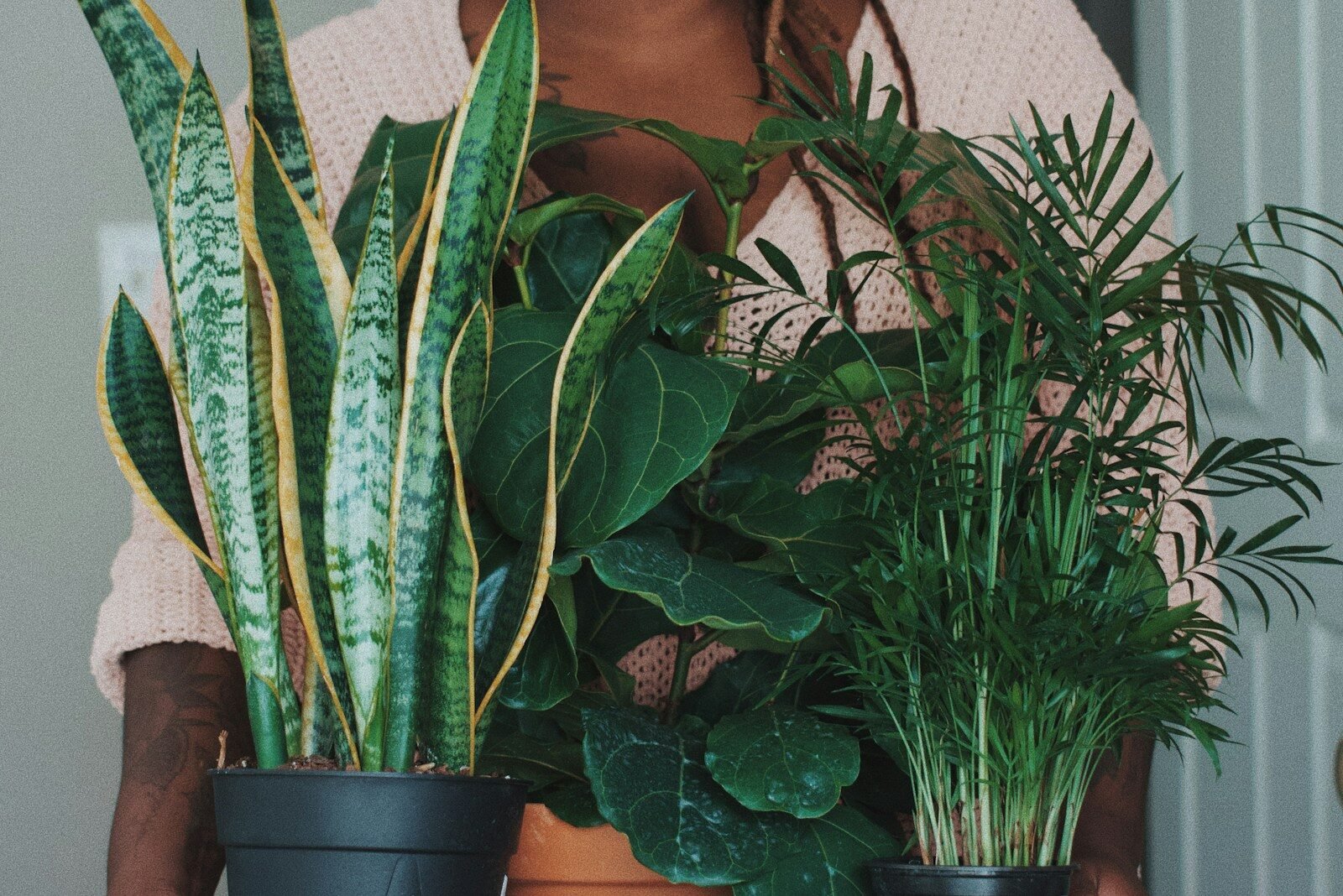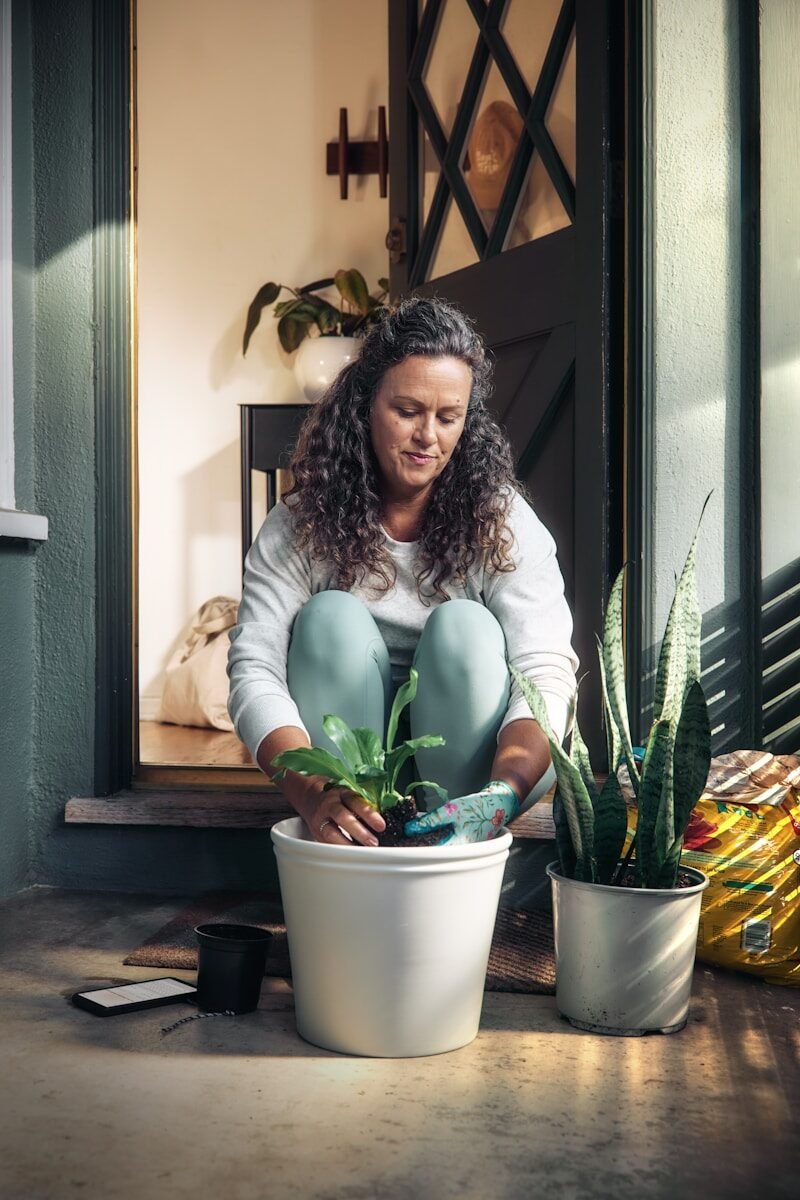
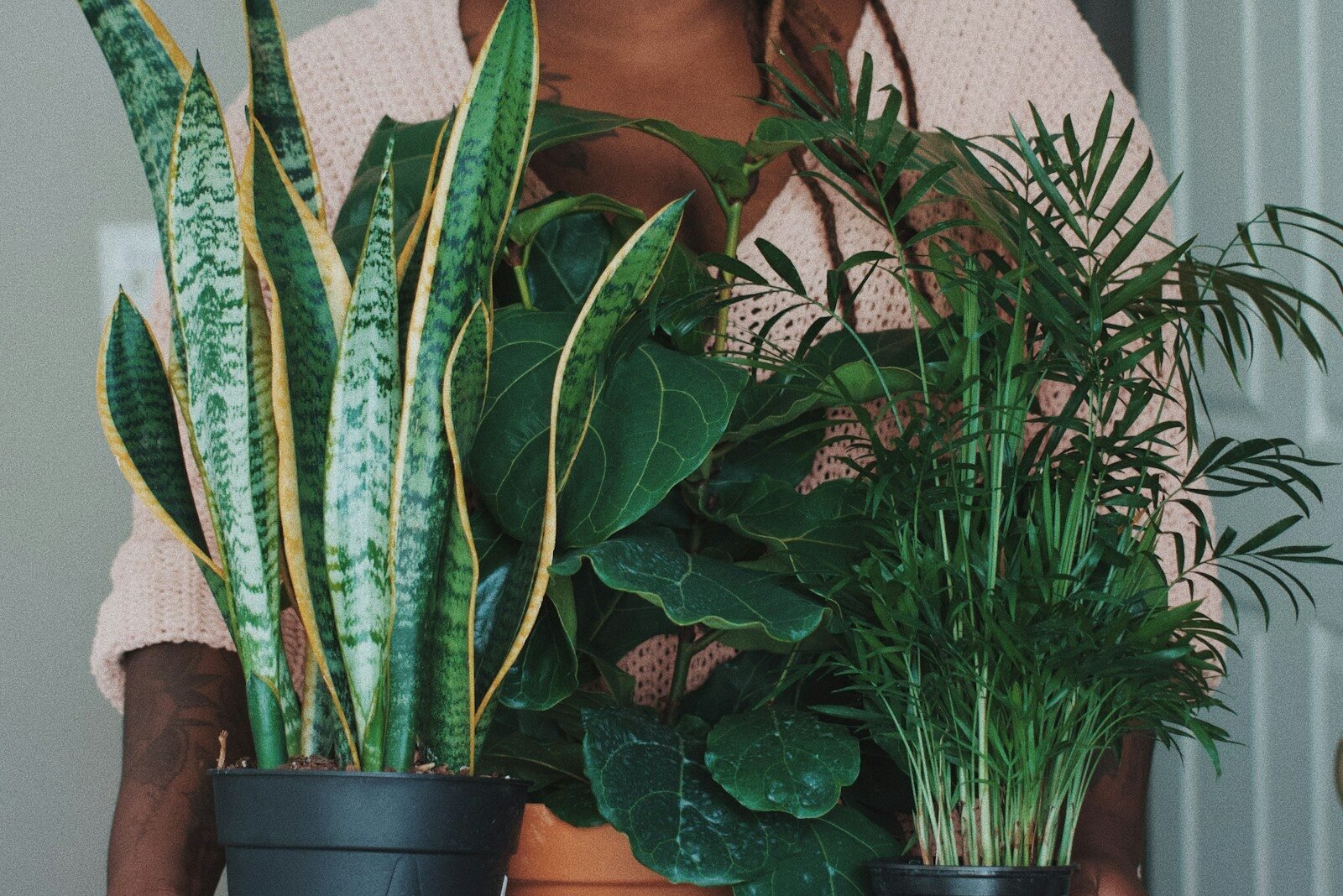
Introduction: Why Snake Plants Are the Ultimate Low-Maintenance 2026 Houseplant
If you want a plant that fits your life in 2026—hybrid schedules, weekend getaways, and a home that still feels alive—few picks beat the snake plant. Also known as Dracaena trifasciata (formerly Sansevieria), it thrives on neglect, handles low light, and shrugs off missed waterings while looking sleek and architectural. It’s the rare houseplant that meets you where you are and grows alongside your routine.
This in-depth snake plant care guide distills what actually matters: practical light placement, a foolproof watering rhythm, the right gritty soil, and easy fixes for common issues. No fluff, no myths—just clear steps built for busy plant lovers who want long-term success.
Before we dive in, meet the plant’s story and names via Wikipedia. For more indoor plant how‑tos, explore related guides on our site at Plant Doctoring: Plant Care.
By the end, you’ll know exactly how to keep those upright, patterned leaves strong, glossy, and growing—without turning your life upside down.
Quick Summary: Light, Water, Soil, Temperature, Humidity, and Toxicity at a Glance
- Light: Tolerates low light, thrives in bright indirect (roughly 75–400 foot-candles). Avoid long hours of harsh midday sun that can scorch leaves.
- Water: Let soil dry 90–100% between waterings. Err on the dry side; overwatering is the fastest way to root rot. Adjust by season and pot size.
- Soil: Gritty, fast-draining succulent mix with 50–70% mineral content (pumice, perlite, coarse sand) plus chunky bark and a small portion of quality potting mix.
- Temperature: Ideal 60–85°F (16–29°C). Protect from drafts and temps below 50°F (10°C).
- Humidity: Average home humidity (30–50%) is fine. No need for a humidifier.
- Fertilizer: Light feeder. Use a balanced, dilute fertilizer in spring–summer; skip or greatly reduce in fall–winter.
- Toxicity: Contains saponins; can be mildly toxic if chewed by pets. See the ASPCA plant list and keep out of nibbling reach.
- Growth Speed: Slow to moderate. Faster in brighter light; variegated types grow slower.
- Common Issues: Overwatering (mushy roots), underwatering (wrinkled leaves), salt build-up (brown tips), and low light (leggy growth). For deeper watering tips, see our internal guide: How to Water Houseplants.
Prefer a one-screen overview? Bookmark this section as your snake plant care guide at a glance and reference the details below when needed.
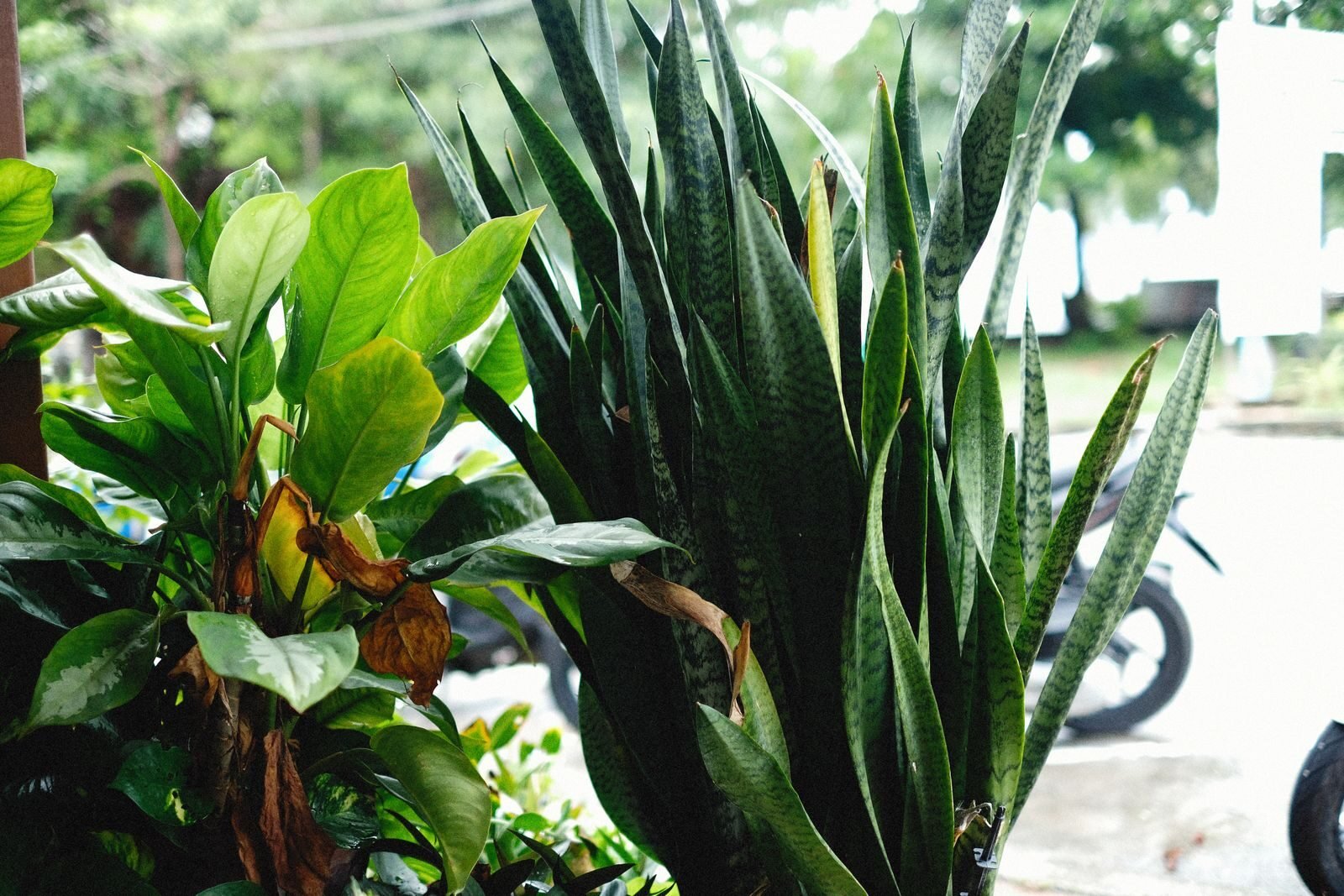
Light Requirements Explained: From Low Corners to Bright Indirect Windows
Snake plants endure dim corners better than most, but they truly flourish where there’s generous, bright indirect light. Think of light as your growth engine: more (without burn) equals fuller, faster leaves.
Placement ideas that work in real homes:
- North windows: Near the glass (0–2 ft) for the best you can get; growth remains steady but not fast.
- East windows: 2–6 ft back; enjoy gentle morning sun paired with bright ambient light.
- West windows: 3–8 ft back; soften intense afternoon rays with a sheer curtain.
- South windows: 4–10 ft away or behind a sheer; bright but indirect most of the day.
Signs your plant wants change: pale or leggy growth signals too little light; scorched patches or crispy edges suggest too much direct sun. Shift a foot at a time and watch for happier, sturdier leaves within a few weeks.
No window? Use LEDs. Provide 12–14 hours/day under a full-spectrum grow light. A basic setup at ~6,000–6,500K placed 12–24 inches above the plant is plenty. Learn fundamentals in our internal primer on lighting gear: Grow Lights for Houseplants, and explore the science behind grow lights via Wikipedia.
Watering Made Simple in 2026: Seasonal Schedule by Pot Size and Climate
The golden rule: Let the mix dry thoroughly before you water again. Confirm dryness 2–3 inches down with your finger or a moisture meter reading near 1–2. Then water deeply until excess drains out.
Use these 2026-friendly rhythms as starting points. Always adjust for your light, pot, soil, and home climate:
- Small pots (4–6 in / 10–15 cm): Summer every 2–3 weeks in warm, dry homes; winter every 4–6+ weeks. Terracotta dries faster than plastic or ceramic.
- Medium pots (8–10 in / 20–25 cm): Summer every 3–5 weeks; winter every 5–8+ weeks.
- Large pots (12+ in / 30+ cm): Summer every 4–6 weeks; winter every 6–10+ weeks. Bigger volumes hold moisture longer.
Climate tweaks:
- Hot/dry (desert, heavy AC): Water a bit more often; moving air and low humidity speed drying.
- Cool/humid (coastal, gentle HVAC): Stretch intervals; soil lingers damp longer.
Technique tips that prevent rot:
- Water in the morning so leaves and crown dry faster.
- Avoid pooling water in the leaf rosette or crown where rot can start.
- Every 2–3 months, flush the pot with extra water to wash out fertilizer salts, then drain fully.
New to mindful watering? This internal primer helps: How to Water Houseplants.
Soil and Repotting: The Perfect Gritty Mix and When to Upsize
Snake plants store moisture in their leaves and rhizomes, so they demand a fast-draining, airy mix that dries predictably. Skip dense, peat-heavy soils that cling to water.
Try this gritty recipe for reliable results:
- 40% pumice or coarse perlite (structure + drainage)
- 30% fine orchid bark or pine bark (air + microbiodiversity)
- 20% high-quality potting mix or coco coir (nutrient reservoir)
- 10% coarse sand (optional, for extra weight and flow)
If you prefer simpler math, aim for 50–70% mineral content overall. For more indoor mix options, see our internal guide: Best Potting Mix for Indoor Plants.
When to repot: Every 2–3 years or when roots circle tightly, rhizomes press the pot walls, or the container bulges. Spring is ideal but not mandatory if you manage water carefully afterward.
How to repot (quick steps):
- Choose a pot only 1–2 inches wider than the current one.
- Lift gently; trim mushy roots with sterilized scissors.
- Set the crown at the same height as before—never bury it.
- Water lightly once to settle; resume normal watering after the mix dries.
- Dividing? Separate sections with several healthy leaves + rhizome for instant, sturdy new plants.
Pots and Drainage: Materials, Hole Size, and Saucers That Prevent Root Rot
The right container makes care effortless. Pick materials that complement your environment and watering style, and never compromise on drainage.
Best choices:
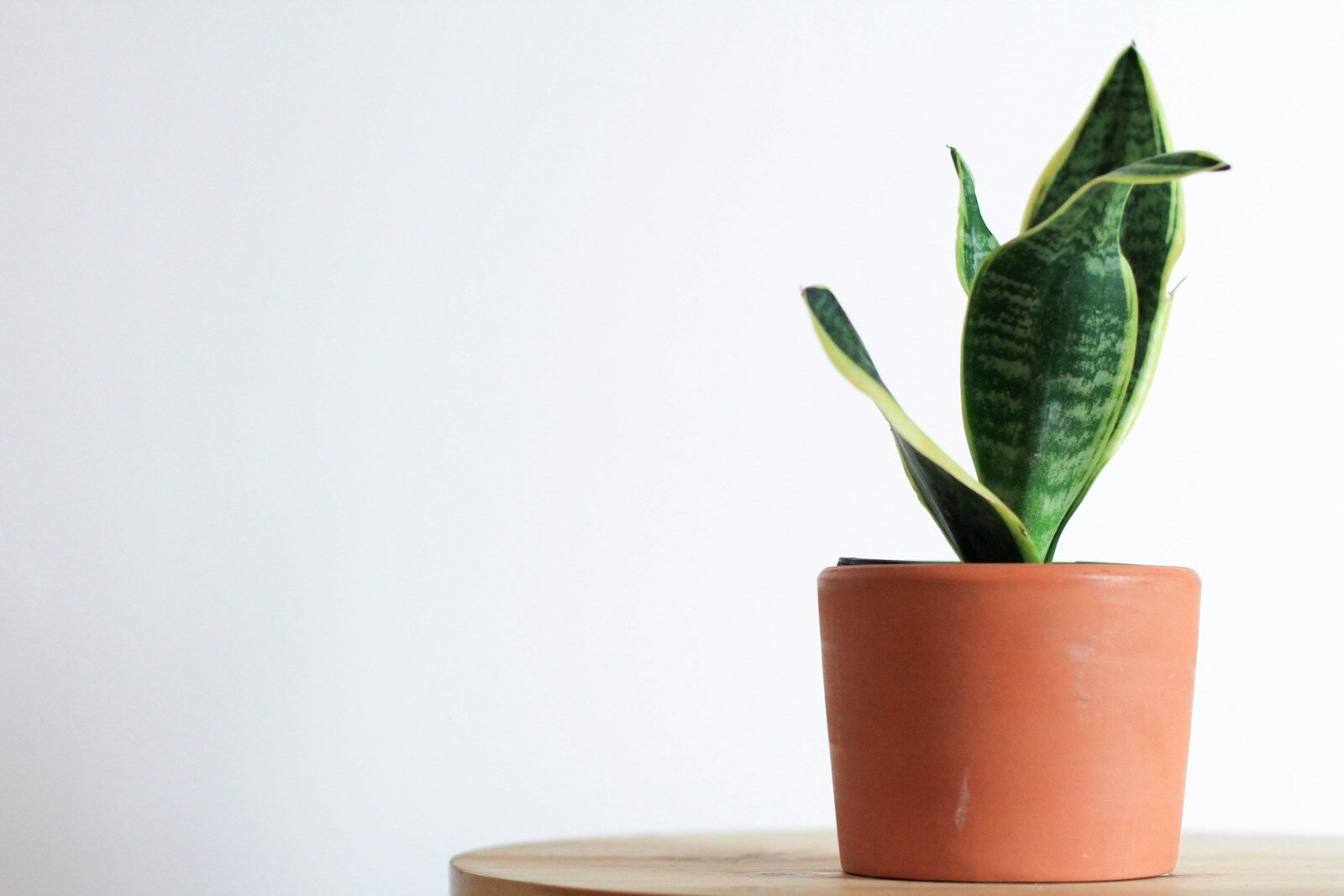
- Terracotta: Breathable, speeds drying, great for cool or humid homes and chronic over-waterers.
- Ceramic with a drainage hole: Holds moisture a bit longer; pair with a gritty mix to balance.
- Plastic/nursery pots: Light and inexpensive; consider extra perlite to offset slower drying.
Drainage details that matter:
- Use a pot with one large hole (8–12 mm) or multiple smaller holes for consistent outflow.
- Cover holes with a mesh screen (not rocks) to prevent mix loss without clogging water flow.
- Set pots on pot feet or a ribbed saucer so the base never sits in runoff.
- Using a decorative cachepot? Keep the grow pot raised inside and empty excess water after 10–15 minutes.
Self-watering containers can work, but keep the reservoir low and the mix extra airy. If you notice persistently damp lower layers, reduce reservoir fill or switch to a traditional pot.
Fertilizer and Growth: Feeding for Strong Leaves Without Burn
Snake plants are light feeders. In bright conditions, a little nutrition translates to sturdier leaves and steady new growth. In dimmer spots, feed less or not at all.
Simple plan (spring–summer):
- Use a balanced liquid like 3-1-2 or 10-10-10 at ¼ strength every 4–6 weeks.
- Alternatively, apply a gentle slow-release formula (e.g., 3–4 month granules) once in spring.
- In fall–winter, pause feeding as growth slows.
To prevent tip burn, flush the pot with extra water every few months to clear salts. If you see brown margins after fertilizing, lengthen intervals, reduce strength, and check watering habits.
Growth expectations: In bright, indirect light, expect a few new leaves or an extra rosette per season. Taller cultivars may push fewer but larger leaves; variegated forms grow slower. Clean leaves with a damp cloth to maximize photosynthesis.
Curious about nutrient basics? A quick primer on fertilizer chemistry can demystify N–P–K so you feed with confidence.
Troubleshooting Fast: Brown Tips, Pests, Mushy Roots, and Leggy Growth
Most snake plant problems trace back to water, light, or salts. Use these quick diagnoses and fixes.
- Brown tips/edges: Often from underwatering, low humidity + heat, or salt build-up. Trim crisp tips with clean scissors, flush the soil, and water a bit more consistently. Avoid splashing fertilizer on leaves.
- Mushy roots/blackened base: Classic overwatering. Unpot, cut away all soft tissue, dust cuts with cinnamon or a sulfur-based fungicide, repot into a drier, gritty mix, and water sparingly until new growth appears.
- Wrinkled, folding leaves: Dehydration or damaged roots. Check root health and water once the mix is fully dry; increase light for recovery.
- Leggy, weak growth: Insufficient light. Move closer to a bright window or add a grow light for 12–14 hours daily.
- Pests (spider mites, mealybugs, scale): Isolate plant. Wipe leaves with 70% isopropyl on a cotton pad, then spray insecticidal soap or neem oil. Repeat weekly for 3–4 weeks and improve airflow. See our houseplant pest basics: Houseplant Pests.
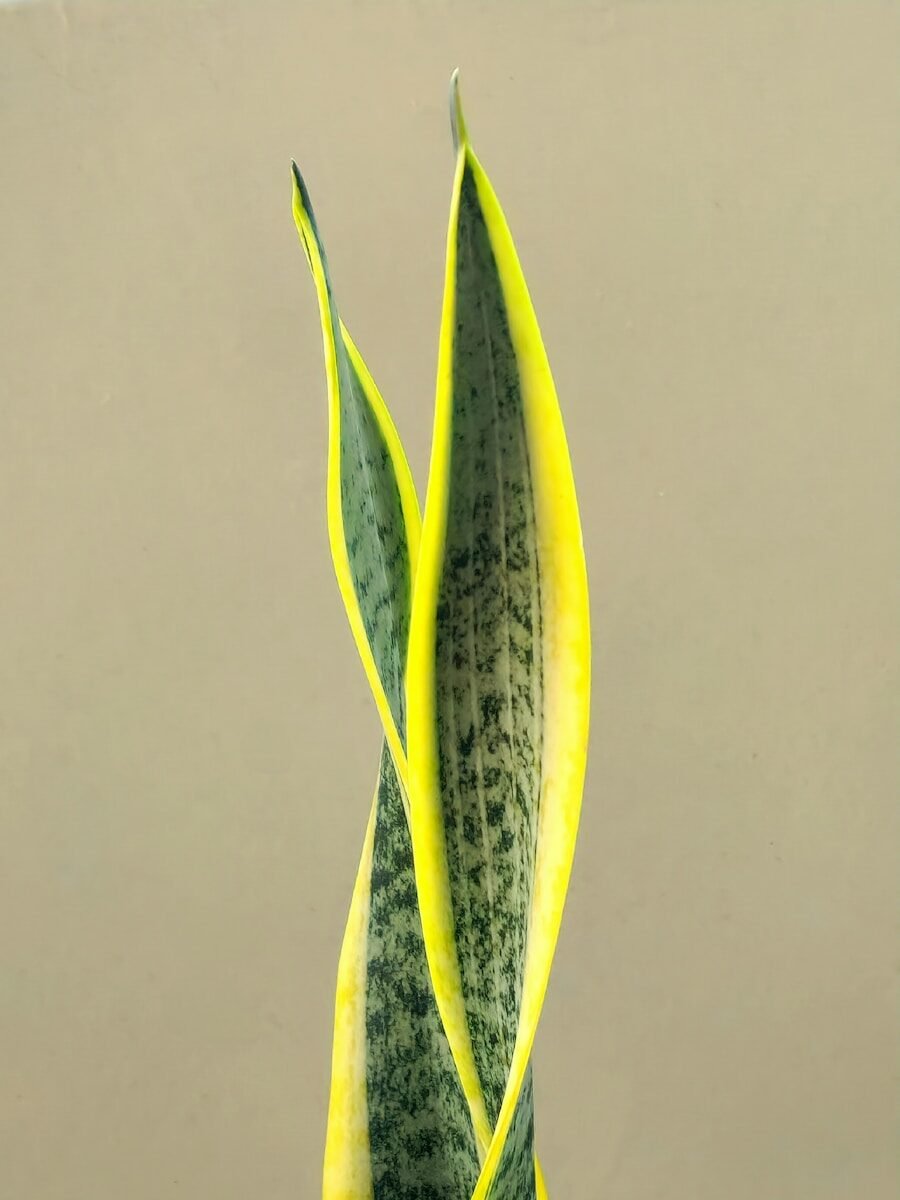
- Fading variegation: Increase light gradually. Variegated cultivars maintain pattern best in bright, indirect light.
Prevent issues by sticking to a dry-down watering approach, gritty soil, and strong but indirect light. A small habit of leaf-wiping doubles as a quick pest check.
Conclusion: Confident Care for Years of Growth
With the right light, a gritty mix, and a conservative watering rhythm, your snake plant becomes near-effortless. These are plants built to last, and your home will feel calmer and more grounded each season they continue to unfurl new leaves.
When you’re ready to expand your collection, try other resilient favorites. Explore our guides for equally low-maintenance companions like ZZ plant, pothos, and spider plant.
Bookmark this snake plant care guide, share it with a friend getting into indoor gardening, and enjoy the peace of a plant that thrives on simplicity.
FAQ: Fast Answers to Common Snake Plant Questions
- How often should I water a snake plant? Let the mix dry fully, then water deeply. Expect every 2–6 weeks depending on pot size, light, season, and home climate.
- Can snake plants live in low light? Yes, but growth slows. For stronger, fuller leaves, move to bright indirect light or add a grow light for 12–14 hours daily.
- What soil is best? A gritty, fast-draining succulent mix with 50–70% mineral content (pumice, perlite, coarse sand) plus bark and a bit of potting mix.
- When should I repot? Every 2–3 years, or when roots and rhizomes crowd the pot. Size up only 1–2 inches and keep the crown at the same height.
- Are snake plants safe for pets? They contain saponins and can be mildly toxic if chewed. Place out of reach and consult the ASPCA list.
- Why are my leaf tips brown? Usually salts, underwatering, or dry heat. Trim tips, flush the mix, and water slightly more consistently.
- How fast do they grow? Slow to moderate. In bright indirect light with light feeding, expect a few new leaves or a fresh rosette per growing season.
- Can I propagate from a single leaf? Yes. Root a leaf cutting in water or soil, but note that variegation may not carry over. Divisions preserve variegation best.
- Do they need humidity? No special humidity. Average indoor (30–50%) is perfect.
- Can I keep one in a bathroom? If there’s bright, indirect light, absolutely. Just ensure the pot drains well so higher humidity doesn’t keep the mix soggy.
For more houseplant fundamentals, browse our collection: Plant Care Guides, and dive deeper into plant background on Wikipedia.