Introduction: Pinpointing Brown Tip Causes Quickly
Why Does My Snake Plant Have Brown Tips? Pinpoint the Cause Fast
Your snake plant is a resilient beauty, but those brown, crispy tips are a nudge that something needs attention. The good news: most causes are simple to spot and quick to fix. With a few smart tweaks, you can restore deep green, architectural leaves and steady new growth.
In this guide, you’ll learn how to diagnose the exact reason for brown tips in minutes and apply proven fixes that work. From water quality and salt buildup to light stress, fertilizer burn, cold drafts, and pests, we’ll walk step by step—so you can take confident action today.
Want more plant-care help? Explore our in-depth resources here: Plant Doctoring — Plant Care.
Quick Summary: Top Culprits at a Glance (Watering, Salts, Light, Temp, Fertilizer, Pests)
Top Culprits at a Glance
- Watering mistakes: Overwatering leads to root stress; underwatering creates droughty, crisp tips. Aim for thorough watering, then let soil dry out most of the way.
- Mineral and fluoride salts: Hard tap water and some fertilizers leave salts that burn leaf tips—especially in Dracaena trifasciata (snake plant).
- Light stress: Prolonged direct, hot sun can scorch; too little light keeps soil wet too long. Choose bright, indirect light.
- Temperature swings: Cold drafts or heat blasts cause tip necrosis. Keep a steady 65–85°F (18–29°C), never below 55°F (13°C).
- Fertilizer burn: Overfertilizing concentrates salts at the margins and tips. Feed sparingly and always dilute.
- Pests: Thrips, spider mites, and mealybugs pierce leaves, leaving desiccated tips and edges over time.
Keep this list in mind as you diagnose—most brown-tip issues trace back to one or two of these stressors.
Diagnose the Problem: A Simple Step-by-Step Check
Diagnose in Minutes: A Step-by-Step Check
Use this quick sequence to identify the root cause with clarity and confidence.
- 1) Feel the soil: Insert your finger 2 inches deep. If it’s wet or cool after a week, you’re likely overwatering or have poor drainage. If it’s bone-dry and pulling from the pot, you’re underwatering.
- 2) Lift the pot: A heavy pot weeks after watering suggests waterlogged soil. Ensure the pot has unobstructed drainage holes and no standing water in a cachepot.
- 3) Check water quality: White crust on soil or pot rim = salts. If your tap water is hard or high in fluoride, consider filtered, distilled, or rainwater. See more on water hardness from USGS: USGS Guide.
- 4) Map the light: Track sun across the day. Harsh midday rays can scorch tips behind glass. Low light slows drying and can lead to rot issues.
- 5) Feel for drafts: Is the plant near an A/C vent, exterior door, or wintery window? Cold shock quickly browns delicate tips.
- 6) Review fertilizing: If you’ve fed more than monthly in spring/summer (or at all in fall/winter), fertilizer burn is likely.
- 7) Inspect for pests: Use a magnifier. Look for tiny moving dots (mites), silvery streaks/black frass (thrips), or cottony tufts (mealybugs). Check new growth and leaf undersides first. Learn more: Thrips (Wikipedia) and Spider Mites.
- 8) Examine roots (if severe): Gently slide out the root ball. Healthy roots are firm and tan. Mushy, dark, or foul-smelling roots = rot from chronic overwatering.
- 9) Consider potting mix: Heavy, peat-only mixes stay wet too long. A gritty succulent blend drains faster and keeps roots oxygenated.
- 10) History matters: Did this start after a move, season change, or new fertilizer? Correlate timing to pinpoint the trigger.
Still unsure? Cross-check your observations against our plant-care hub: Plant Doctoring — Plant Care.
The 9 Fast Fixes: Water Quality, Flush Salts, Adjust Schedule, Improve Drainage, Right Light, Trim Damage, Balance Fertilizer, Stabilize Temperature, Pest Control
The 9 Fast Fixes (Start with the One That Matches Your Diagnosis)
1) Upgrade Water Quality
Snake plants (now classified as Dracaena) are sensitive to fluoride and excess minerals. If your tap is hard or treated, switch to distilled, filtered, or rainwater. Letting water sit overnight may reduce chlorine, but it won’t remove fluoride or dissolved minerals.
- Use a carbon filter or RO system for consistent quality.
- Target total dissolved solids (TDS) under ~150 ppm for fuss-free care.
2) Flush Accumulated Salts
Salt buildup burns leaf margins and tips over time. Flush the potting mix every 2–3 months (monthly if water is hard).
- Place the pot in a sink and slowly run 3–4x the pot’s volume of clean water through the soil.
- Let it drain fully; never leave the pot sitting in runoff.
3) Adjust Your Watering Schedule
Water deeply, then allow the mix to dry out most of the way. Frequency depends on light, temperature, and pot size.
- In bright, indirect light: about every 2–3 weeks. In low light: every 3–5 weeks.
- Always check moisture 2 inches down before watering. Err slightly dry over slightly wet.
- Water around the perimeter to keep the crown drier and reduce rot risk.
4) Improve Drainage and Soil
A well-aerated, gritty substrate prevents wet feet and brown tips from root stress.
- Use a cactus/succulent mix boosted with 30–40% perlite or pumice. Add a little orchid bark for structure.
- Choose a pot with true drainage holes; avoid oversized pots that stay wet too long.
5) Dial In the Right Light
Provide bright, indirect light (near an east window or a few feet from a south/west window with sheer). Avoid long spans of harsh, direct midday sun that can scorch tips.
- In low light, growth slows—space out water and watch for soggy soil.
- Rotate the pot monthly for even growth and fewer stressed leaves.
6) Trim Existing Damage
Brown tips won’t turn green again. Trim them for a clean look while new, healthy leaves develop at the base.
- Use sterilized, sharp shears and cut at a natural angle that matches the leaf’s spear-like point.
- If a leaf is mostly damaged, remove it at the soil line to redirect energy to new growth.
7) Balance Fertilizer Inputs
Snake plants are light feeders. Too much fertilizer concentrates salts at tips.
- Feed only in spring–summer with a balanced, dilute liquid (¼–½ strength) every 4–6 weeks.
- Skip feeding in fall–winter. Flush soil after any accidental overfeeding.
- Many superphosphate fertilizers may contain fluoride; when in doubt, choose balanced, low-fluoride options.
8) Stabilize Temperature and Airflow
Keep temps steady between 65–85°F (18–29°C). Avoid cold windowsills in winter and blasts from A/C or heaters.
- Move the plant at least 12–18 inches from draft sources.
- Use a simple thermometer to monitor night lows near windows.
9) Control Pests Promptly
Pests suck moisture, leaving stippled, desiccated areas that can progress to brown tips.
- Isolate the plant. Wipe leaves with a damp cloth.
- Spray with insecticidal soap or neem oil weekly for 3–4 weeks, covering leaf undersides and crevices.
- Use sticky traps to monitor thrips and fungus gnats. For mealybugs, dab with 70% isopropyl alcohol.
Background reading on the plant itself: Dracaena trifasciata (Wikipedia).
How to Trim Damaged Tips Safely (and Why They Won’t Regrow)
How to Trim Brown Tips (And Why They Don’t Grow Back)
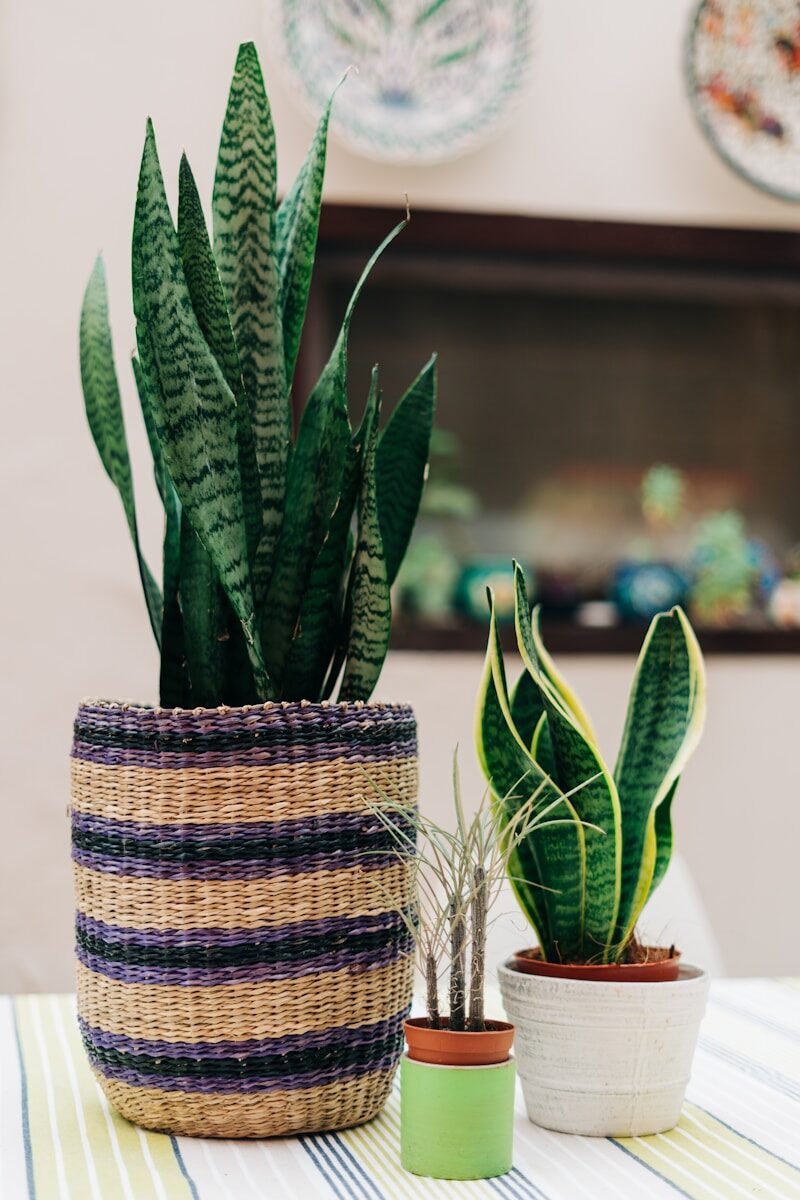
Snake plant leaves don’t regrow from the tip. New growth emerges from the base of the rosette. Once the tip is brown, the dead tissue will remain brown unless you trim it away. The goal is a tidy profile while you prevent new damage.
Safe Trimming, Step by Step
- Sterilize tools: Wipe your shears or a craft knife with 70% isopropyl alcohol to avoid introducing pathogens.
- Match the leaf’s geometry: Follow the natural angle of the spear-shaped tip. Avoid blunt, straight cuts—they’re more noticeable.
- Cut into healthy green sparingly: Trim just enough to remove necrotic tissue and recreate a tapered tip.
- Optionally seal: Let the cut callus in open air. You can lightly dust cinnamon for a mild antifungal boost, but it’s optional.
- Remove badly damaged leaves: If most of a leaf is brown, cut at the base. The plant will channel energy to fresh leaves.
Remember: trimming is cosmetic. The real fix comes from addressing the cause—water, salts, light, temperature, feeding, or pests—so new growth stays pristine.
Prevention Checklist 2026: Habits That Keep Tips Green
Prevention Checklist 2026
Lock in habits that keep your snake plant strong, glossy, and tip-burn free all year.
- Water-smart rhythm: Deeply water, then wait until the top 2–3 inches are dry. Track with a simple calendar reminder.
- Cleaner water, cleaner tips: Prefer distilled, filtered, or rainwater—especially if your tap water is hard or high in fluoride.
- Routine salt flush: Every 2–3 months, flush the pot with 3–4x its volume of water to reduce mineral buildup.
- Right soil + drainage: Succulent mix with 30–40% perlite/pumice in a pot with real drainage holes. No standing water in cachepots.
- Balanced light: Bright, indirect light is ideal. Use sheer curtains for south/west windows, and rotate monthly.
- Gentle feeding: Spring/summer only, ¼–½ strength. Skip in fall/winter to prevent salt stress.
- Temperature stability: Keep 65–85°F (18–29°C), away from cold windows, drafty doors, A/C, and heat vents.
- Clean leaves: Wipe dust monthly to optimize photosynthesis and spot pests early.
- Pest watch: Inspect new growth and leaf undersides weekly. Treat early with insecticidal soap or neem if needed.
- Repot on schedule: Refresh mix every 2–3 years. Divide crowded clumps to improve airflow and root vigor.
- Quarantine new plants: Keep new arrivals separate for 2–3 weeks to prevent hitchhiking pests.
- Keep learning: For ongoing tips and troubleshooting, visit our plant-care library: Plant Doctoring — Plant Care.
Conclusion: Restore Healthy Growth in Days to Weeks
Bring Back Bold, Healthy Leaves
Brown tips are a message, not a mystery. With the right changes—cleaner water, better drainage, balanced light, gentle feeding, and stable temperatures—your snake plant will bounce back beautifully.
Small actions today create visible progress in days and vibrant new growth in a few weeks. Trim the old scars, restore the routine, and watch your plant stand taller, greener, and stronger than ever.
For more indoor plant wins, explore our helpful guides anytime: Plant Doctoring — Plant Care.
FAQ: Brown Tips, Yellowing, and Soft Leaves — What to Do
FAQ: Brown Tips, Yellowing, and Soft Leaves
Why does my snake plant have brown tips?
Most commonly from salt/mineral buildup (hard water, excess fertilizer), watering extremes, light scorch, cold drafts, or pests. Diagnose quickly with the steps above and apply the matching fix—often starting with improved water quality and a soil flush.
Can brown tips turn green again?
No. Brown tissue is dead and won’t regenerate. Trim for appearance and prevent new damage by correcting the underlying cause.
What if the leaves are turning yellow and soft?
That points to overwatering and possible root rot. Unpot, cut away mushy roots, and repot in a gritty, well-draining mix. Reduce watering frequency and confirm the pot drains freely.
Do snake plants need humidity?
They tolerate typical indoor humidity well. Brown tips are rarely from dry air alone; focus on water quality, soil, light, and temperature stability instead.
How much light is best?
Bright, indirect light is ideal. They’ll survive in low light but grow slowly, and the soil stays wet longer—so you must water less often. Avoid extended direct midday sun through glass, which can scorch tips.
How often should I fertilize?
Lightly in spring–summer only, at ¼–½ strength every 4–6 weeks. Skip fall–winter. Overfeeding is a common driver of tip burn.
Could tap water be the problem?
Yes. Hard water and fluoride sensitivity are well-documented across Dracaena. Switch to filtered, distilled, or rainwater, and flush salts periodically to protect leaf margins. Learn about nuisance chemicals and secondary standards: EPA Resource.
What pests cause brown tips?
Thrips and spider mites are common culprits, with stippling, silvering, and fine webbing as clues. Mealybugs can also stunt leaves. Treat with insecticidal soap or neem weekly for several cycles and isolate the plant until clear.
Is it normal for older leaves to brown?
Yes—aging leaves can develop minor browning. If new growth looks healthy and your routine is solid, occasional tip browning on very old leaves isn’t a red flag.
How long until I see improvement?
The visual reset from trimming is immediate, while new, pristine leaves typically appear in a few weeks to a couple of months depending on season and light. Stay consistent—great care compounds.