
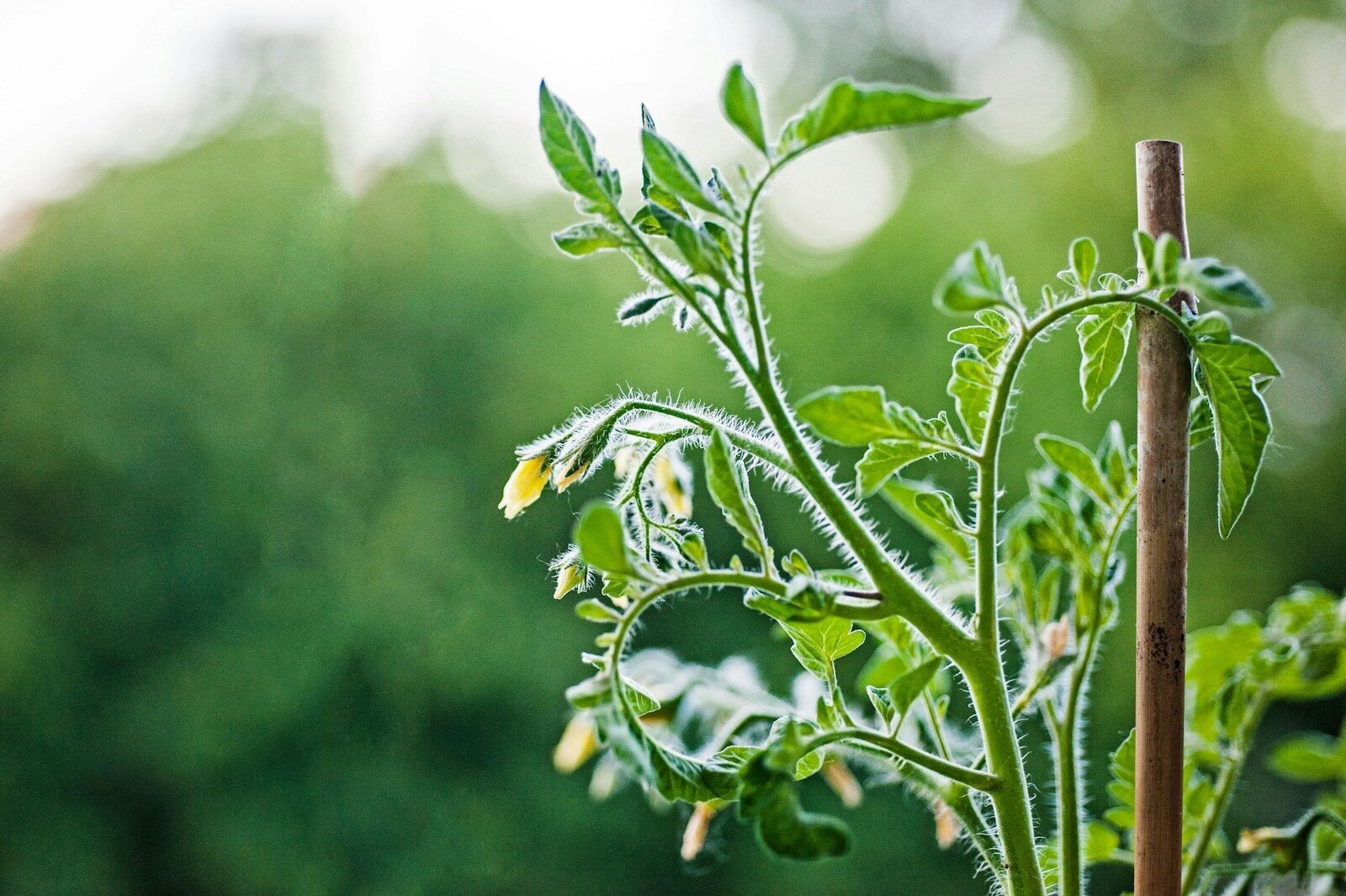
Introduction: Stop spider mites before they crash your tomato harvest
Spider mites can turn lush tomato vines into speckled, crispy heartbreak—fast. The good news? With a tight plan, you can diagnose early, treat quickly, and keep fruit safe. This guide breaks down a proven, practical approach to spider mite treatment for tomato plants that works in real gardens.
We’ll cover confident ID, a 7-step treatment plan, biological controls, safe miticides, cultural fixes, and a monitoring timeline. Keep it simple, rotate tactics, and you’ll outpace the mites.
If you want more pest basics later, browse our internal plant pest guides.
Quick Summary: Diagnosis checklist, fast treatment plan, and follow-up schedule
- Diagnosis checklist: Light-green/yellow stippling, fine webbing, mites on the underside of leaves, and a white-paper shake test that reveals moving specks.
- Fast treatment plan: Hard water spray + prune worst leaves + alternate insecticidal soap and horticultural oil every 3–4 days for 2 weeks.
- Follow-up schedule: Weekly checks; continue spot treatments until no mites found for 2 consecutive weeks.
For extra context on common pests, our category hub is here: Plant Pests.
Diagnose with Confidence: Stippling, webbing, underside inspections, and shake test
Most outbreaks start subtle. Look for light speckling (stippling) that makes leaves look dusty or sun-faded. As populations build, you’ll see fine silk webbing near veins and petioles.
- Underside inspections: Flip leaves. Use a 10–20x hand lens to spot the two-spotted spider mite (Tetranychus urticae) and their eggs.
- Shake test: Hold white paper under a leaf; tap it. If you see moving specks like pepper that smear red/green when crushed, you’ve got mites.
- Hot, dusty conditions accelerate outbreaks. Tomatoes under drought or heat stress are easier targets.
Background reading: Two-spotted spider mite (Wikipedia) and UC IPM: Spider Mites.
7‑Step Treatment Plan (2026): Hard spray, prune, soap/oil rotations, reapply intervals
- Blast with water: Use a strong spray to hit leaf undersides, stems, and inner canopy. Knockdown removes eggs and mites without residues.
- Prune hotspots: Remove heavily stippled or webbed leaves. Bag and trash them—don’t compost active infestations.
- Insecticidal soap (Day 1): Thorough coverage to the point of runoff, especially undersides. Test on a few leaves first.
- Horticultural oil (Day 3–4): Apply 48–72 hours after soap. Oils smother eggs and nymphs. Do not spray when temps exceed ~90°F. Avoid oil within 14 days of sulfur.
- Repeat rotation: Alternate soap → oil every 3–4 days for 2 weeks. Consistency beats one heavy spray.
- Under-canopy cleanup: Remove leaf litter and weeds that harbor mites. Improve airflow to reduce hotspots.
- Spot treat and reassess: After two weeks, switch to weekly spot sprays if mites persist; otherwise move to monitor-only.
Pro tip: Spray early morning or evening to reduce leaf burn and protect beneficials.
Biological Control That Works: Phytoseiulus persimilis and N. californicus release tips
Predatory mites can turn the tide—especially early.
- Phytoseiulus persimilis: A fast, specialist predator that crushes two-spotted spider mites in warm, humid conditions. Best for active outbreaks.
- Neoseiulus californicus: A tougher, generalist that persists at lower prey levels and tolerates broader conditions. Great for prevention and maintenance.
Release tips:
- Introduce at first signs: 5–10 predators per square foot for hotspots; repeat weekly until control holds.
- Keep humidity moderate (50–70%) and avoid broad-spectrum insecticides that kill allies.
- Provide mild shade during heat spikes; extreme heat slows both prey and predators.
Learn more: P. persimilis (Wikipedia) and N. californicus (Wikipedia).
Safe Miticide Options: When to escalate, resistance management, PHI, and PPE
Escalate to a registered miticide only if soap/oil plus biocontrols can’t keep mites below threshold. Always confirm the product is labeled for tomatoes and spider mites.
- Low-risk first: Insecticidal soap, horticultural oil, and azadirachtin (neem extracts) are garden-safe mainstays.
- Targeted miticides (check local availability/labels): Abamectin (IRAC 6, often greenhouse/pro-use), bifenazate (20D), spiromesifen/spirodiclofen (23), hexythiazox/etoxazole (10B), fenpyroximate (21A). Some are professional-use only.
- Rotate MoA groups: To slow resistance, do not repeat the same IRAC group back-to-back.
- PHI matters: Check the pre-harvest interval (PHI) so you know how long to wait before picking.
- PPE: Wear gloves, eye protection, long sleeves, and follow the label. Avoid spraying during bloom when bees are foraging.
General IPM overview: Integrated Pest Management.
Cultural Fixes: Dust control, irrigation, mulch, and heat-stress reduction
- Control dust: Mites explode in dusty beds. Mulch paths, wet down dusty areas, and rinse foliage during heat waves.
- Consistent irrigation: Even moisture via drip reduces stress and keeps leaves less inviting to mites.
- Mulch: Straw or shredded leaves moderate soil temps and humidity around the canopy.
- Reduce heat stress: Use 30–40% shade cloth on scorchers. Better plant vigor = better natural defenses.
- Weed hosts: Remove mite-friendly weeds (nightshades, pigweed) near tomatoes.
Browse more pest prevention basics on our Plant Pests hub.
Monitoring Timeline: Weekly checks, threshold levels, and when to stop treatments
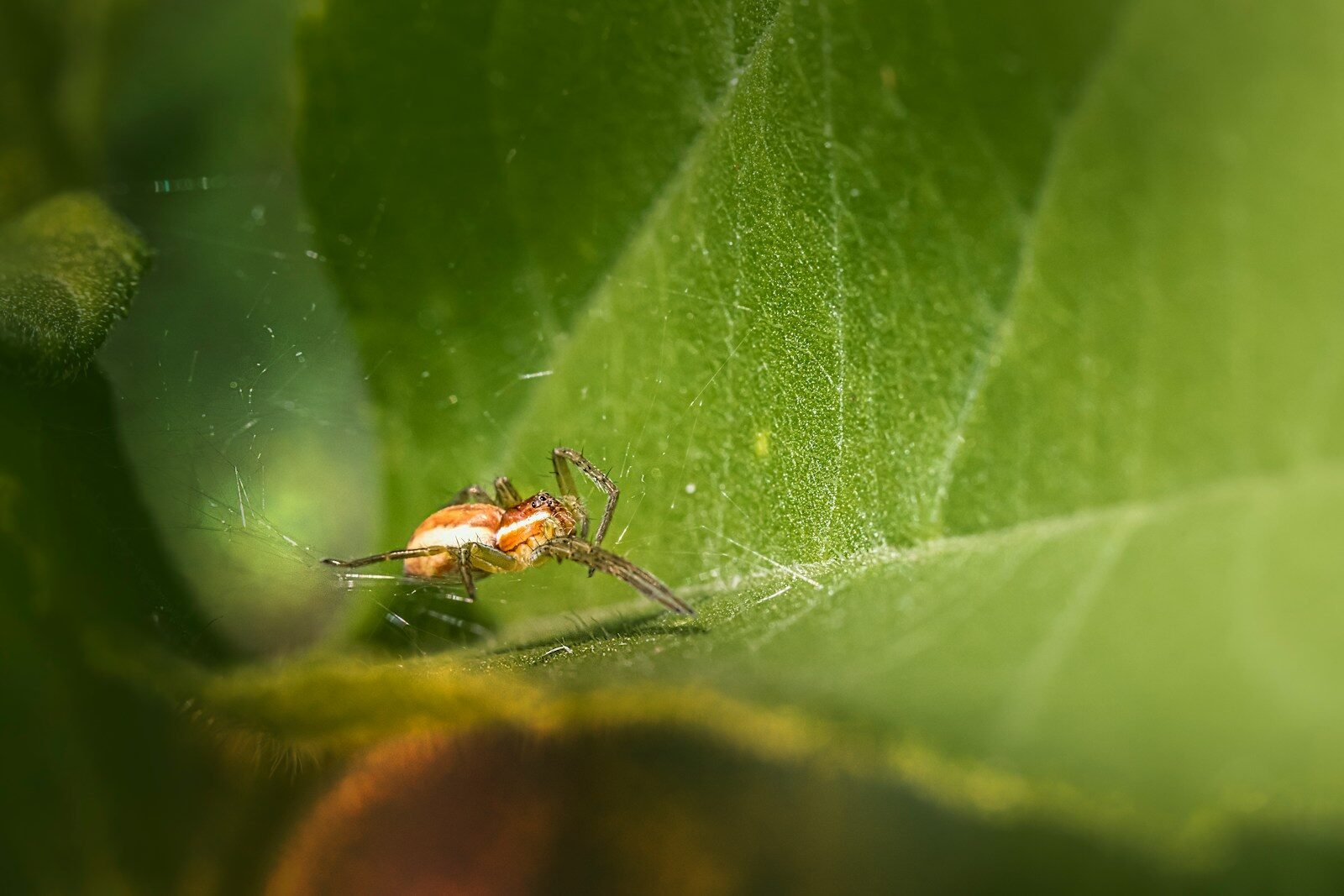
Weekly routine: Inspect 10–20 random leaflets (undersides). Do the shake test on any suspicious leaves.
- Action threshold (home gardens): If mites are found on ~3 of 10 leaflets or >10% of leaves show fresh stippling, resume treatments.
- Stop criteria: When you find no mites for two consecutive weeks, shift to monitor-only. Keep up dust control and irrigation.
- Heat waves: Add an extra midweek check; mites breed faster in hot, dry weather.
Document what you see and what you spray—notes help you fine-tune rotations season to season.
Conclusion: Stay consistent and rotate tactics for season-long control
Beating spider mites isn’t about one magic product—it’s about stacking small wins. Hit them early, mix mechanical and biorational sprays, fold in predatory mites, and only then consider a targeted miticide with smart rotation.
Stay consistent and you’ll keep your tomatoes lush, productive, and safe to eat all summer.
FAQ: Do sprays harm pollinators? Can I eat treated tomatoes? What temp kills mites? How long until plants recover?
- Do sprays harm pollinators? Soaps and oils have low residual, but avoid direct spraying of open blooms and never spray when bees are active. Many miticides are riskier—always check the label’s bee precautions.
- Can I eat treated tomatoes? Yes—after the PHI on the label has passed. Wash fruit with clean water. Soaps and oils typically have short PHIs, but verify every product.
- What temperature kills mites? Brief exposure above ~43°C (110°F) can be lethal to many mites, but outdoor heat isn’t a reliable control and can harm plants. Focus on integrated tactics instead.
- How long until plants recover? New growth should look cleaner within 7–14 days after consistent treatments. Severely damaged leaves won’t green up; prune them to redirect energy.
For broader pest how‑tos, visit our Plant Pests library.