Introduction: Hassle-Free Watering Meets Designer Style
If you’ve ever stressed about watering schedules, it might be time to buy self-watering planters for indoor plants. These stylish, sub-irrigated systems keep roots evenly moist, cut down watering frequency, and make plant care feel effortless—without sacrificing aesthetics.
Whether you travel, forget to water, or just crave tidy countertops, a well-designed reservoir planter can stabilize moisture and growth. Ahead, you’ll learn how they work, how to size them, when to score the best deals, and which models fit herbs, tall foliage, big trees, or compact desktops.
Quick Summary: Must-Have Features, Best Times to Buy, and Top-Use Cases
Must-have features when you buy self-watering planters for indoor plants:
- Generous reservoir with an overflow port to prevent overfilling.
- Reliable wick (nylon/cotton) or double-pot insert that maintains consistent capillary flow.
- Water-level indicator or sight window, so you refill at the right time.
- Breathable potting mix compatibility (airy, peat-free or coir-based blends).
- Material fit (lightweight plastic for shelves; ceramic for decor; insulated walls to buffer heat).
Best times to buy:
- Spring: garden center launches and houseplant promos.
- Mother’s Day & early summer: gift-driven discounts.
- Black Friday/Cyber Monday and winter clearance: deep markdowns (see Black Friday).
- Prime-style events: midsummer deals (see Prime Day).
Top use cases:
- Travelers or busy weeks—plants stay hydrated for days to weeks.
- Dry apartments or winter heating—steadier moisture, less stress.
- Offices—low-maintenance greenery at desks and lobbies.
- Herb kitchens—even hydration for basil, mint, parsley, and chives.
How Self-Watering Planters Work: Wicks, Reservoirs, and Capillary Action
Self-watering planters (also called sub-irrigated planters, SIPs) store water in a reservoir beneath the root zone. A wick or soil contact point lifts moisture upward via capillary action. As the plant consumes water, moisture rises to replace what’s used—keeping soil evenly damp, not soggy.
Key design points: a wicking system (rope, mesh, or footed insert), a refill port, and an overflow hole to avoid flooding. Quality models balance airflow and moisture, preventing anaerobic conditions that lead to rot.
Sizing Guide: Matching Planter Diameter and Depth to Plant Rootballs
Right-size your planter to maintain capillary flow and root health.
- Diameter: Choose a planter 1–2 inches (2.5–5 cm) wider than the current rootball for herbs and small tropicals; 2–4 inches (5–10 cm) for fast growers or repotting up.
- Depth: Match typical root depth—herbs and small pothos prefer shallow to mid-depth; fiddle-leaf figs and rubber plants like deeper profiles.
- Wicking distance: Ensure the wick or soil bridge reaches the lower third of the root zone. Too tall without good wicking can leave the upper mix dry.
- Stability: Large foliage or indoor trees need wider bases and heavier materials to prevent tipping.
Pro tip: if the mix stays wet for >7 days, you may have oversized the pot or used a too-dense substrate—adjust size or aeration.
Materials and Design: Ceramic vs Plastic vs Metal (Weight, Aesthetics, Wicking)
- Ceramic: Premium look and heft; great stability for tall plants. Glazed ceramic reduces evaporation; however, it’s heavier and less forgiving if dropped.
- Plastic (recycled/UV-stable): Light, affordable, often double-walled for insulation. Ideal for shelves and hanging spots; consistent wicking; wide size range.
- Metal: Sleek modern vibe; highly durable. Can heat/cool quickly near windows—choose double-walled or add a liner to buffer roots.
Design details to prioritize:
- Overflow port placement to prevent accidental flooding after rain from open windows.
- Indicator clarity (float or window) that’s easy to read at a glance.
- Modular inserts you can lift out for cleaning or flushing salts.
- Non-slip feet and felt pads to protect floors and shelves.
Deal Finder: Where to Buy and Seasonal Sales Calendar (Holiday, Spring, Prime-Like Events)
Where to buy self-watering planters:
- Local garden centers and houseplant boutiques—test build quality in person.
- Direct-to-consumer brands—look for recycled materials and long warranties.
- Big box & online marketplaces—wide selection; scrutinize reviews for indicator accuracy and wick longevity.
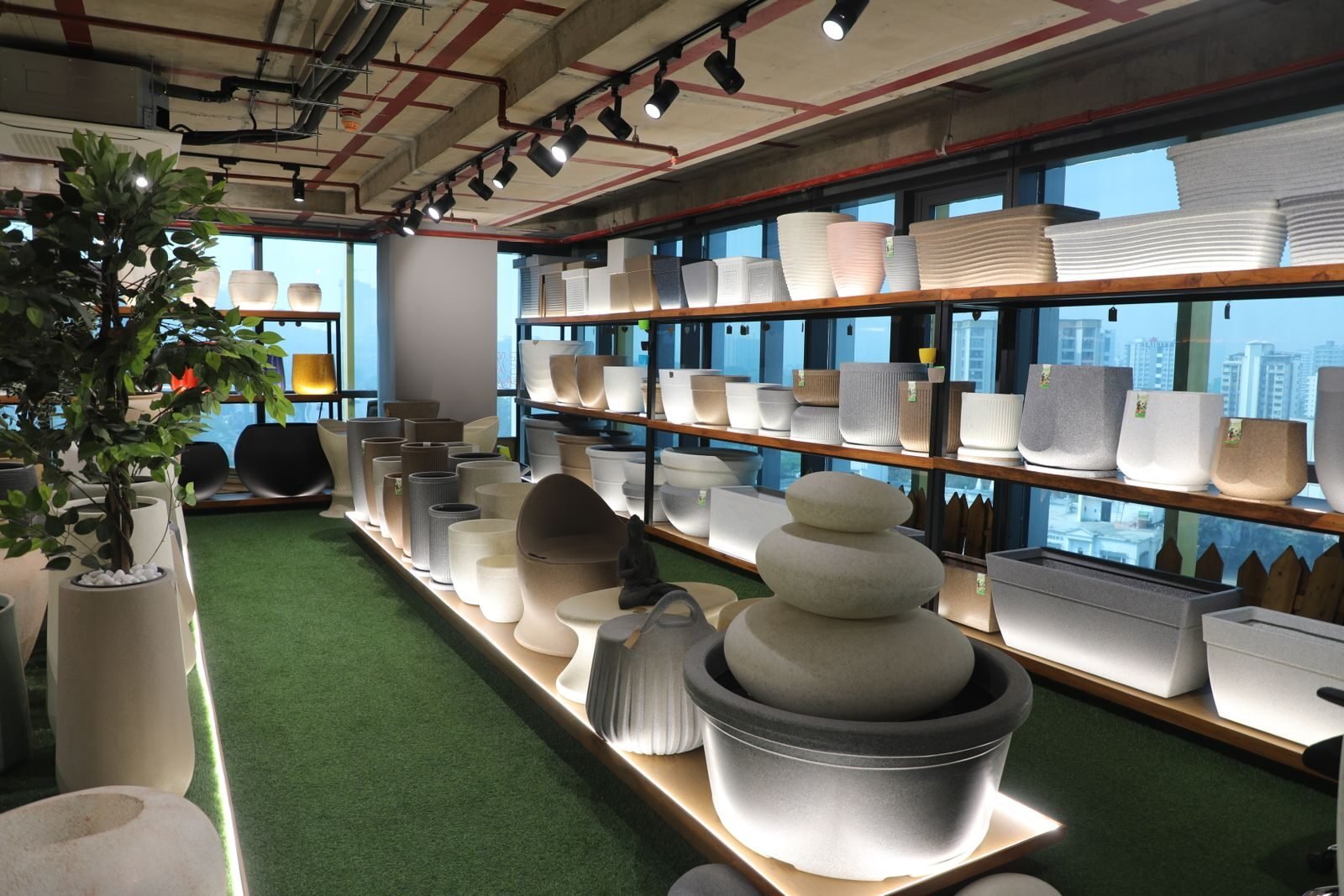
- Designer shops—ceramic or stone-look finishes for decor-centric spaces.
Seasonal sales calendar:
- March–May: Spring launch promos, bundle deals with potting mix.
- May: Mother’s Day gifting discounts.
- July: Prime-like events (see Prime Day).
- Nov–Dec: Black Friday and Cyber Monday; year-end clearance.
Tip: sign up for brand newsletters and set price alerts. Shopping off-season can score premium ceramic at plastic-level prices.
Top Picks by Use Case: Best for Herbs, Tall Foliage, Large Trees, and Desktops
- Best for herbs (kitchen windows): 4–6 inch planters with fine wicks, shallow profile, easy top-up spout. Look for dishwasher-safe inserts and a clear indicator for frequent harvesting.
- Best for tall foliage: Mid-to-large planters with weighted ceramic or double-walled plastic, stable base, and overflow port. A raised insert prevents waterlogging while delivering steady moisture.
- Best for large indoor trees: 12–18+ inch diameter, high-capacity reservoir, sturdy handles or dolly-compatible base, and modular liner for easy flushing. Choose breathable mixes to avoid compaction.
- Best for desktops & shelves: Compact ceramic or matte plastic with low-profile indicators, felt feet, and a spill-safe fill port to protect electronics.
Feature checklist to compare models:
- Reservoir size vs plant thirst; days-of-coverage estimate.
- Wick material and replaceability.
- Indicator accuracy and visibility.
- Ease of disassembly for cleaning and salt flushes.
Setup and Care: Potting Mix, Fertilizing, and Preventing Salt Build-Up
Potting mix: Use an airy, fast-draining blend. Try coir or peat-free base + perlite/pumice + fine bark. Pre-moisten lightly so capillary action starts immediately. Avoid dense garden soil.
Fertilizing: Use diluted liquid feed (half-strength) during active growth. Alternate: slow-release pellets in the top layer. Avoid strong concentrations that raise salt levels in the reservoir.
Prevent salt build-up:
- Every 4–8 weeks, top-water to fully flush the mix, letting excess drain via overflow.
- Wipe mineral crust from rims and indicators with a vinegar-water solution (rinse well).
- Use filtered or rainwater if your tap water is very hard.
For more indoor plant basics, see our Plant Care hub for watering, light, and troubleshooting guides.
Conclusion: Upgrade Your Planters and Water Less—Grow More
When you buy self-watering planters for indoor plants, you invest in consistent moisture, fewer chores, and healthier growth. Pair the right size, material, and wick design with an airy mix, and you’ll water less while enjoying fuller, fresher foliage.
Ready to level up your collection? Start with a desktop herb planter, test a mid-size floor pot for foliage, then scale to a tree. Explore more tips inside our Plant Care library.
FAQ: Can I bottom-water in these? Do LECA and self-watering mix? How often to refill? Will roots rot? How to clean indicators? Are they pet-safe?
Can I bottom-water in these?
Yes—self-watering planters are a form of bottom-watering. Still, periodically top-water to flush accumulated salts and refresh the soil profile.
Do LECA and self-watering mix?
Yes. You can use LECA in planters designed for semi-hydro. Ensure roots don’t sit fully submerged—aim for a moist-but-aerated zone and add hydro-safe nutrients at low EC.
How often should I refill?
Depends on plant size, light, and reservoir volume. Herbs may go 5–10 days; large foliage 1–3 weeks. Refill when the indicator reads low and the top 1–2 inches of mix feel barely dry.
Will roots rot?
Not if the design allows air exchange and the mix is porous. Rot stems from anaerobic, saturated media—avoid dense soils and keep overflow ports clear. Learn more about the condition at Root Rot (Wikipedia).
How do I clean water-level indicators?
Disassemble if possible and soak in warm soapy water. For mineral staining, use a brief vinegar soak, rinse thoroughly, and dry before reassembly. Test float movement before reinstalling.
Are they pet-safe?
Planters made from inert, food-safe plastics or properly glazed ceramics are generally fine. Keep fertilizers and nutrient solutions away from pets, and verify plant toxicity via the ASPCA plant list.