Introduction: Matching Varieties to Your Lighting Reality
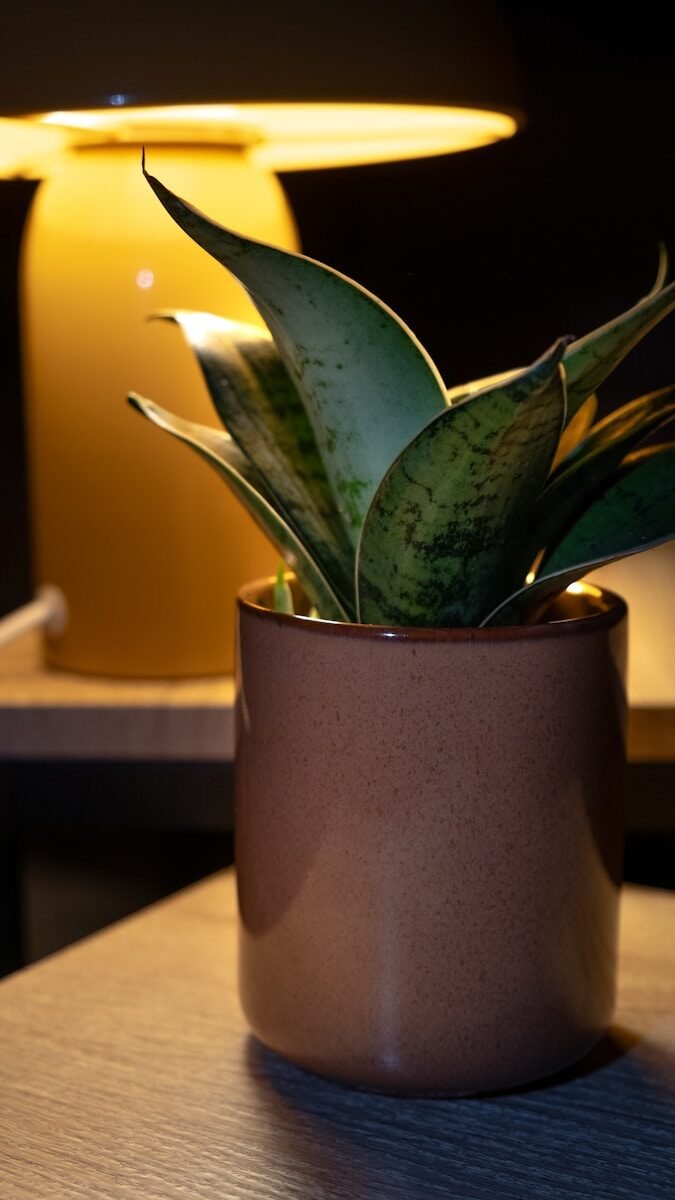
If you love the sculptural look of snake plants but your rooms feel more library than greenhouse, you’re in the right place. The best snake plant varieties for low light aren’t just survivors—they’re quiet performers that bring structure, calm, and resilience to dim hallways, cozy offices, and shaded corners.
Success in low light starts with choosing cultivars that naturally hold color and shape without a sun-drenched window. That means thicker leaves, deeper green pigments, and patterns that don’t rely on bright light to pop. Paired with a few simple care tweaks, you can enjoy polished, architectural greenery that looks good all year with minimal fuss.
In this guide, you’ll find an expert shortlist for 2026, practical light metrics (in foot-candles and lux) to set expectations, and design-forward placement ideas. Whether you’re styling a shelf or optimizing a north-facing nook, you’ll leave with confidence—and a shortlist of cultivars you can buy today and love for years.
Want broader indoor care fundamentals before diving in? Explore the plant care library for foundational tips and troubleshooting at PlantDoctoring Plant Care.
Quick Summary: Editor’s Top 5 Low-Light Picks for 2026
Short on time? Here are the standout performers worth prioritizing when light is scarce.
- Black Coral (Dracaena trifasciata ‘Black Coral’): Deep, near-black leaves with subtle banding that stay dramatic in dim rooms.
- Zeylanica (D. zeylanica or D. trifasciata ‘Zeylanica’): Tough-as-nails classic with stable dark-green marbling and excellent tolerance.
- Whitney (D. trifasciata ‘Whitney’): Compact rosettes, strong contrasts, ideal for desks, shelves, and tighter spaces.
- Futura Robusta (D. trifasciata ‘Futura Robusta’): Shorter, broader leaves with dependable silver-gray striping that holds in low light.
- Sayuri (D. ‘Sayuri’): Vertical spears with elegant silver-blue sheen; refined silhouette for modern interiors.
Honorable mention: Moonshine (D. trifasciata ‘Moonshine’) brings luminous silver-green leaves but may darken faster in dim spots; best near the brightest of your low-light zones.
If you’re choosing only one, pick Black Coral for drama or Zeylanica for foolproof reliability.
How Low Is ‘Low Light’? Measuring Foot-Candles and Setting Expectations
“Low light” can mean wildly different things. Let’s quantify it so your expectations—and your plant choices—align with reality.
Foot-candles (fc) are a practical unit for indoor light. One foot-candle equals about 10.76 lux. Many smartphone apps read in lux; just divide by 10.76 to convert. Learn more about the unit at Wikipedia.
- Very low: 10–25 fc (≈ 100–270 lux). Survival mode for most plants; snake plants can cope but won’t grow much.
- Low: 25–75 fc (≈ 270–800 lux). Acceptable for the right cultivars; expect slow growth and longer intervals between waterings.
- Moderate-low: 75–150 fc (≈ 800–1,600 lux). Best-case “low light”—your plants will look fuller and color holds better.
How to measure your space:
- At midday, hold your phone with a lux app above the pot rim where leaves sit. Take 3–5 readings and average them.
- Repeat on a bright day and a cloudy day to learn your range across seasons.
- North-facing windows, interior bathrooms with a frosted window, and hallways away from glass usually read in the 25–100 fc corridor.
Set realistic goals: In 25–75 fc, growth is slow and dignified. That’s okay—these are architectural plants. You’ll water less, rotate occasionally, and wipe leaves to keep photosynthesis efficient. For background on the species (formerly Sansevieria), see Dracaena trifasciata.
Top Low-Light Varieties and Why They Work: Zeylanica, Black Coral, Whitney, Futura Robusta, Sayuri, Moonshine
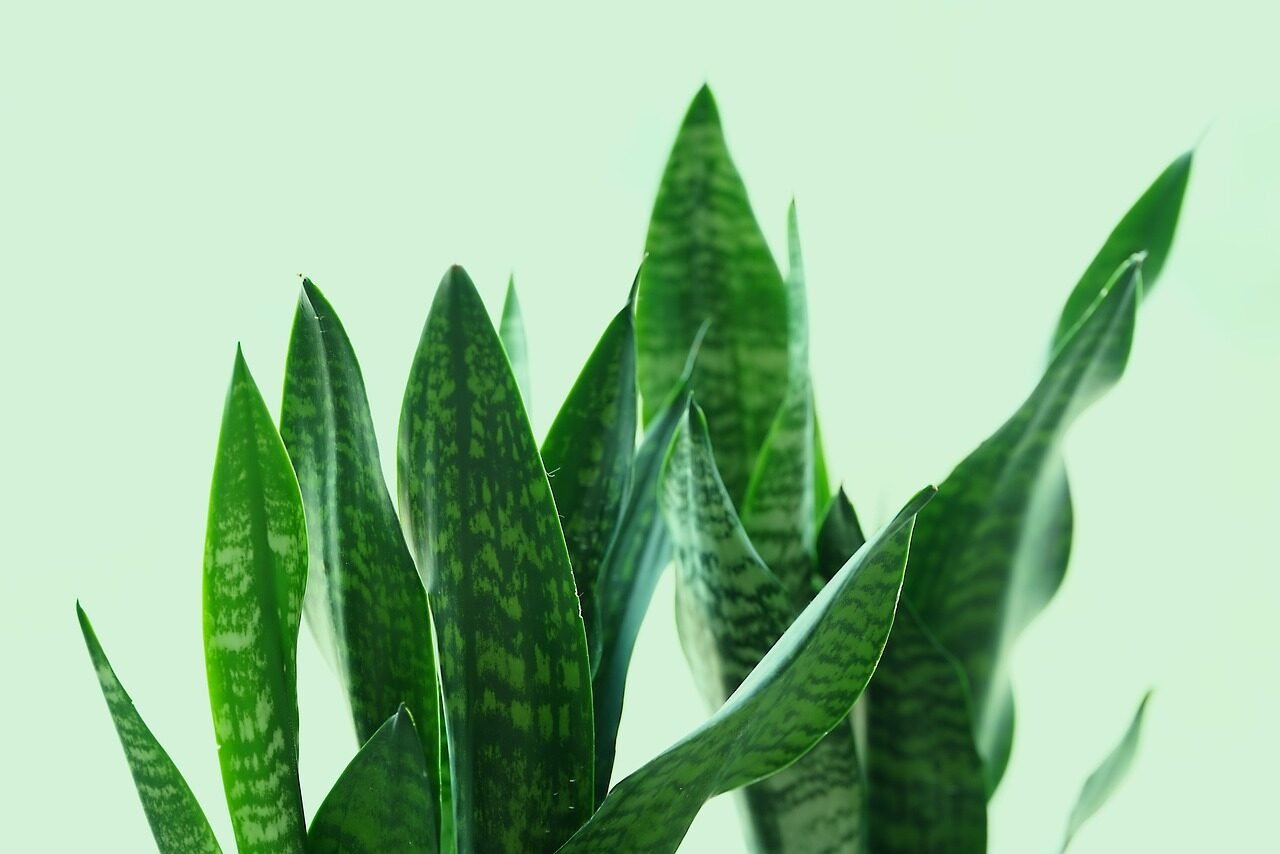
Choosing cultivars with thicker leaves, deeper chlorophyll, and stable variegation is the secret to reliable performance in dim spaces. Here’s how each recommended variety shines when light is scarce.
Zeylanica
- Why it works: Dense, dark-green marbling captures light efficiently; famously tolerant of neglect.
- Best placements: Interior hall consoles, bedroom corners, reception counters.
- Pro tip: Dust the wide leaf faces monthly so patterned greens stay crisp, even under 50–100 fc.
Black Coral
- Why it works: Near-black leaves indicate high chlorophyll density, helping photosynthesis in dim rooms.
- Best placements: Minimalist living rooms, moody reading nooks, restaurants with ambient lighting.
- Pro tip: Slightly brighter low-light (75–150 fc) preserves dramatic banding; in very low light it becomes a sophisticated deep charcoal.
Whitney
- Why it works: Compact rosettes with tough, leathery leaves minimize transpiration and tolerate infrequent watering.
- Best placements: Desktop, shelving, side tables—anywhere a smaller footprint is key.
- Pro tip: Pair in threes on a shelf for a sculptural rhythm; rotate a quarter turn monthly to keep rosettes symmetrical.
Futura Robusta
- Why it works: Broad, shorter leaves hold steady gray striping that doesn’t wash out quickly in low light.
- Best placements: Low credenzas, window-adjacent bookshelves (north or east light), powder rooms with privacy glass.
- Pro tip: If gray tones dim, slide the plant 2–3 feet closer to the window; color often rebounds.
Sayuri
- Why it works: Elegant, vertical spears with a fine silver-blue sheen; architecture does the heavy lifting when growth is slow.
- Best placements: Corners that need height without width; gallery-style homes and modern offices.
- Pro tip: Sleek, tall planters emphasize the columnar form and make low-light corners feel intentional.
Moonshine
- Why it works: Striking silver-green leaves add lightness where sunlight lacks; does tolerate low light but darkens fastest among this group.
- Best placements: The brightest spot of your low-light zone—near a north window or 6–8 feet from an east window.
- Pro tip: To maintain the ethereal silver, supplement with a full-spectrum LED on a 6–8 hour timer during winter.
These cultivars share a core trait: they keep their composure when light dips. Expect graceful, incremental growth. For perspective on how indoor foliage handles dim conditions, you can also skim the historical context in the NASA Clean Air Study article—a popular touchpoint in the houseplant world.
Styling and Placement Tips: Hallways, Offices, Shelves, and Corners
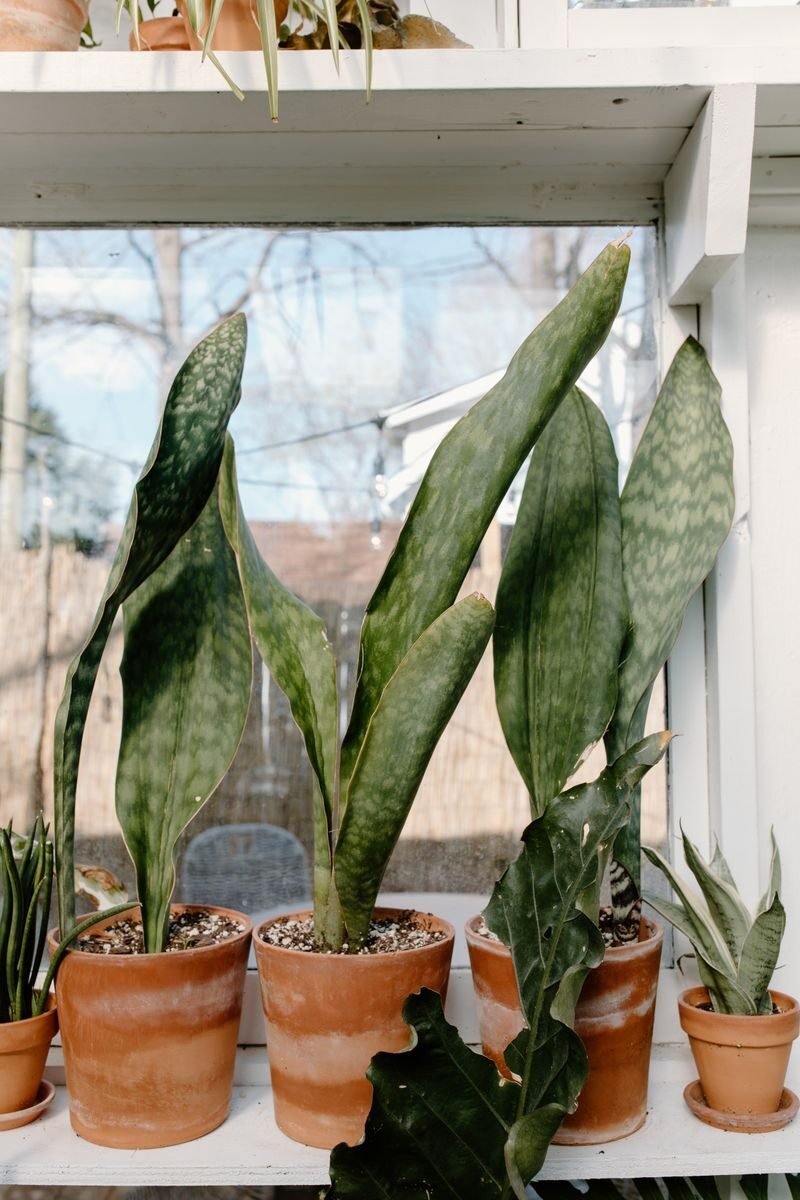
Even in dim spaces, smart styling turns snake plants into focal points. Use containers, scale, and repetition to elevate your look.
- Hallways: Narrow corridors love tall, slim planters. Choose Sayuri or Zeylanica for vertical lines that guide the eye. Keep the outer leaf edge 2–3 inches from the wall to avoid scuffing and ensure airflow.
- Offices: For desks and conference rooms, Whitney shines in matte cylinders. Add a cork coaster to protect surfaces. In shared spaces, group three small pots with varying heights for balanced asymmetry.
- Shelves: Compact forms like Whitney and Futura Robusta sit beautifully on floating shelves. Use light-toned planters against dark walls for punchy contrast; the reverse for pale walls.
- Corners: Corners read darker. Select taller cultivars (Sayuri, Black Coral) and raise them on stands to reach ambient light. Nestle near a north window or add a discrete LED uplight for soft drama.
- Texture stacking: Pair the strong vertical leaf lines with softer elements: linen drapes, wool throws, or a boucle ottoman. The contrast makes foliage feel intentional, not accidental.
- Planter finishes: Charcoal, sand, and off-white ceramics keep the palette calm. A single brass or ribbed concrete piece adds a curated accent.
Need placement troubleshooting or general care refreshers? Browse the quick tips inside the PlantDoctoring care hub before you rearrange the room.
Care Adjustments for Low-Light Growth: Water, Fertilizer, and Rotation
Low light changes how your plant uses water and nutrients. A few small adjustments keep foliage pristine and roots happy.
- Watering rhythm: In 25–75 fc, water thoroughly but infrequently. Let at least the top 2–3 inches of mix go bone-dry. In cooler seasons, that can mean every 4–6 weeks. In 75–150 fc, expect every 3–4 weeks. Always adjust to pot size, mix, and temperature.
- Soil blend: Use a fast-draining mix: 50–60% quality potting soil, 20–30% perlite or pumice, and 10–20% orchid bark. This prevents soggy roots when evaporation slows.
- Fertilizer: Low light equals low demand. Feed lightly at 1/4 strength with a balanced, complete fertilizer during spring and early summer only (once per month for 2–3 months). Skip in winter.
- Rotation: Turn the pot 90 degrees every 3–4 weeks to maintain symmetry and avoid leaning toward a single window or lamp.
- Leaf care: Dust acts like sunglasses. Wipe leaves monthly with a barely damp, soft cloth; finish with a dry pass. Avoid leaf shine products that can clog pores.
- Repotting: Snake plants prefer to be slightly snug. Repot every 2–3 years or when roots circle and distort the pot. Size up just 1–2 inches to reduce overwatering risk.
- Temperature and drafts: Keep between 60–85°F (15–29°C). Avoid cold blasts near exterior doors or AC vents, especially in dim rooms where stress recovery is slower.
- Pest watch: Mealybugs and scale can hide in leaf seams. Inspect during monthly wipe-downs and treat early. Healthy, dry-ish roots plus clean leaves make infestations less likely.
For a broader primer on photosynthesis and why dust-free leaves matter, see Britannica’s overview of photosynthesis.
Conclusion: Choose the Right Cultivar for Effortless Success
When your lighting is modest, plant selection does the heavy lifting. Prioritize cultivars that hold color and shape without constant sun, and you’ll transform dim rooms into polished sanctuaries.
If you crave dramatic depth, reach for Black Coral. For a bulletproof classic, choose Zeylanica. Styling a desk? Whitney is your compact hero. Want sleek height with a tailored vibe? Sayuri delivers. Prefer soft silver tones? Futura Robusta stays graceful; place Moonshine in the brightest low-light you have to preserve its glow.
Measure light, water lightly but thoroughly, wipe leaves, and rotate. That’s the entire playbook. With these steps, your collection will look curated—not compromised—by low light.
FAQ: Growth Speed, Color Fading, and Variegation in Low Light
- How fast will snake plants grow in low light?
Expect slow, steady growth—often a few new leaves per year in 25–75 fc. In 75–150 fc, you’ll see more activity in spring and summer. The payoff is tidy silhouettes that don’t outgrow your space. - Will colors fade in dim rooms?
Some lightening or darkening is normal. Deep greens (e.g., Zeylanica, Black Coral) hold tone best. Silvery varieties (Moonshine) may darken more quickly; inch them closer to a window or add a low-watt LED if you want to preserve the glow. - Does variegation disappear?
High-contrast variegation can soften when light is scarce because the plant prioritizes chlorophyll production. Cultivars listed here retain pattern reasonably well, with Futura Robusta staying especially dependable. - What if my plant leans?
Leaning means it’s chasing light. Rotate 90 degrees monthly and nudge it slightly closer to the window. A discreet, 6–8 hour daily LED supplement also helps keep growth centered. - How do I avoid overwatering?
Use a porous mix, a pot with drainage, and a “dry-down” rule: water only when the top 2–3 inches are crisp-dry. In low light, roots sip slowly—less is more. - Which window is best?
North-facing windows and bright, indirect east exposures are ideal. Keep plants out of direct, magnified midday sun to prevent scalding, especially for lighter cultivars. - Are snake plants good office plants?
Yes. Their durability and upright form thrive under steady ambient light. For workplace lighting context and units like foot-candles, revisit this overview.