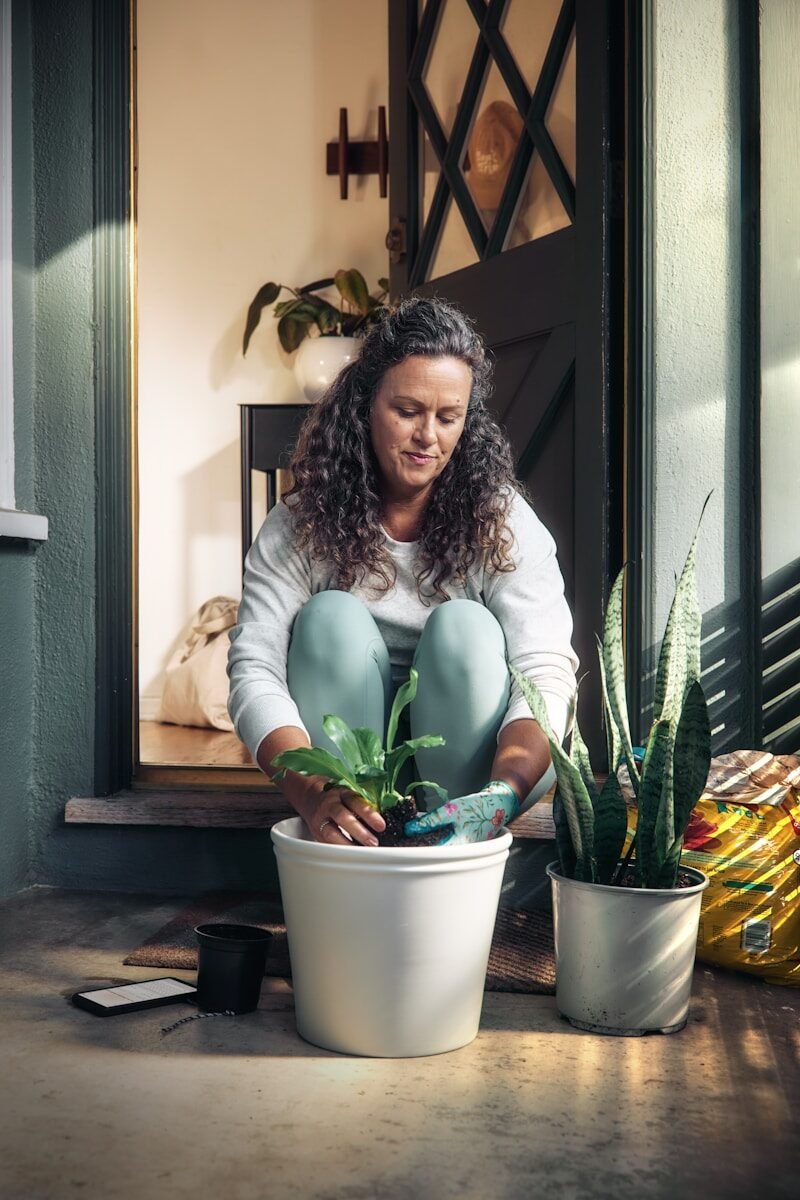

Introduction: Dial In Fertilizing for Bigger, Healthier Monstera Leaves
Want larger splits and lush, glossy leaves? The secret is timing. Knowing exactly when to fertilize Monstera deliciosa indoors helps you feed during active growth and rest during slow seasons. With a smart schedule, the right N-P-K ratio, and safe application, you can boost size, color, and overall plant health.
Use this friendly, step-by-step guide to set a sustainable feeding routine. For more indoor plant help, explore our plant care guides.
Quick Summary: Best Timing, Frequency, and Ratios for Indoor Monsteras
- Best timing: Start light feeding in late winter as days lengthen; feed consistently spring through early fall.
- Frequency: Every 2–4 weeks in bright indoor light; monthly in medium light; little to none in winter unless under grow lights.
- Ideal ratios: Balanced foliage formulas around 3-1-2 (e.g., 9-3-6) or a gentle 1-1-1 (e.g., 10-10-10 diluted).
- Method: Dilute to 1/4–1/2 label strength; pre-water; flush salts monthly.
- Pause/reduce: When growth stalls, in cool temps, or in low light.
Understand Indoor Growth Cycles: Light, Temperature, and Active Seasons
Indoors, Monsteras grow most when they get bright, indirect light and warm temperatures. Aim for 65–85°F (18–29°C) with steady humidity. In these conditions, leaves unfurl faster and nutrients are used efficiently.
As day length increases, your plant shifts into an “on” mode where fertilizer is most effective. When light is short or weak, uptake slows and excess salts can build up. Learn your plant’s rhythm and feed when it’s pushing new petioles and leaves.
Explore the species’ habits on Monstera deliciosa and how day length influences plants via photoperiodism.
Fertilizer Types Explained: Liquid, Slow-Release, and Organic (Ideal N-P-K Ratios)
Understanding N-P-K helps you match nutrients to foliage growth. Monsteras appreciate slightly higher nitrogen (for leaves) with supportive phosphorus and potassium.
- Liquid fertilizers: Fast-acting and precise. Choose a foliage-focused 3-1-2 ratio (e.g., 9-3-6) or a gentle 1-1-1 (e.g., 10-10-10) and dilute to 1/4–1/2 strength.
- Slow-release prills: Great for busy growers. Use a balanced, temperature-released product; mix into the top inch of soil. Reapply every 2–3 months in the growing season.
- Organic options: Worm castings top-dressed (nutrient-rich, gentle), kelp/seaweed (micronutrients), and fish hydrolysate (effective but can smell indoors). Compost teas can help microbe life but vary in strength.
Tip: Look for micronutrients (Fe, Mg, Mn, Zn). Avoid high-phosphorus “bloom boosters”—they don’t suit foliage-first plants.

How Often to Fertilize: Schedules by Light Level, Potting Mix, and Pot Size
- Bright, indirect light (plus warm temps): Feed every 2–3 weeks at 1/4–1/2 strength during spring–early fall.
- Medium light: Every 4–6 weeks. Watch growth rate—feed after new leaves start.
- Low light or winter: Pause or feed very lightly (6–8 weeks at 1/4 strength) only if you see active growth or use high-quality grow lights.
- Potting mix: Rich, fresh mixes or soils with slow-release granules need less feeding for 4–6 weeks; inert or fast-draining mixes require more frequent dilute feeds.
- Pot size & drainage: Small pots dry faster and leach nutrients; large pots may hold salts. Adjust by flushing monthly and slightly increasing frequency for small pots.
How to Apply Safely: Dilution, Pre-Watering, and Burn Prevention
- Check moisture: Fertilize when soil is slightly moist, not bone-dry.
- Dilute: Mix to 1/4–1/2 the label rate. When in doubt, go weaker and feed a bit more often.
- Pre-water: Give a small plain-water drink first to protect roots.
- Apply evenly: Pour around the root zone until light runoff. Avoid wetting leaves; wipe any splashes.
- Flush monthly: Rinse the soil thoroughly with plain water to minimize salt buildup.
- Skip feeding: If the plant is stressed (wilting, pest-ridden, just repotted), wait until it rebounds.
Troubleshooting: Signs of Over/Under-Fertilization and Nutrient Deficiencies
- Overfeeding/salt buildup: Brown, crispy tips; white crust on soil; droop soon after feeding. Fix: Flush soil thoroughly, pause fertilizer 3–4 weeks, resume at lower strength.
- Underfeeding: Slow growth despite good light; smaller leaves; uniform pale color. Fix: Begin a consistent, dilute schedule.
- Nitrogen deficiency: Older leaves yellow first. Fix: Use a foliage formula (3-1-2) and feed regularly.
- Iron chlorosis: New leaves yellow with green veins (chlorosis). Fix: Ensure pH ~6–6.5, use a fertilizer with chelated iron.
- Magnesium deficiency: Interveinal yellowing on older leaves. Fix: Add a fertilizer containing Mg or a light Epsom salt drench (sparingly).
Pro tip: Always rule out light and watering before chasing nutrients—they’re the biggest growth levers indoors.
Winter and Low-Light Adjustments: When to Pause or Reduce Feeding
In winter, light weakens and growth slows. That’s your cue to pause or halve feeding. If new leaves stop, don’t force fertilizer—salts will accumulate and stress roots.
Using quality grow lights? Feed lightly (1/4 strength) every 6–8 weeks if you see steady growth and warm temps. Resume your regular schedule in late winter/early spring as day length increases.
Conclusion: A Simple, Sustainable Feeding Plan for Year-Round Growth
Keep it simple: in bright indoor conditions, feed a 3-1-2 or balanced fertilizer at 1/4–1/2 strength every 2–4 weeks from spring through early fall. Flush monthly, watch for growth cues, and pause in winter unless under strong lights.
This sustainable plan prevents burn, supports lush leaves, and adapts to your space. For more plant care basics, visit our indoor plant care hub.
FAQ: What NPK is best? Can I use orchid fertilizer? Is LECA different? Do yellow leaves need more fertilizer? How soon after repotting should I feed? Is fish emulsion good indoors?
What N-P-K is best for indoor Monstera? A foliage-forward 3-1-2 (e.g., 9-3-6) supports leaf growth and overall balance. A gentle 1-1-1 (e.g., 10-10-10 diluted) also works well. Avoid high-phosphorus bloom boosters.
Can I use orchid fertilizer? Yes—if it’s balanced and you dilute to 1/4–1/2 strength. Many orchid formulas (e.g., 20-20-20) can suit Monsteras when used lightly and regularly.
Is LECA different? Yes. In LECA/semi-hydro, use complete hydroponic nutrients and target a mild EC (~0.8–1.2 mS/cm). Refresh solution and flush routinely to prevent salt buildup.
Do yellow leaves mean I should add more fertilizer? Not always. Older leaves naturally yellow and drop. If multiple new leaves are pale, consider underfeeding; if older leaves yellow during active growth, a mild nitrogen boost can help. Also check light and watering first.
How soon after repotting should I feed? Wait 4–6 weeks if you used fresh, nutrient-rich mix or slow-release prills. If repotted into an inert medium, resume very dilute feeding once you see new growth and the plant has recovered.
Is fish emulsion good indoors? It’s effective but can smell and attract pests. If you try it, choose low-odor hydrolyzed products and use sparingly. Many indoor growers prefer worm castings or a clean liquid foliage fertilizer instead.