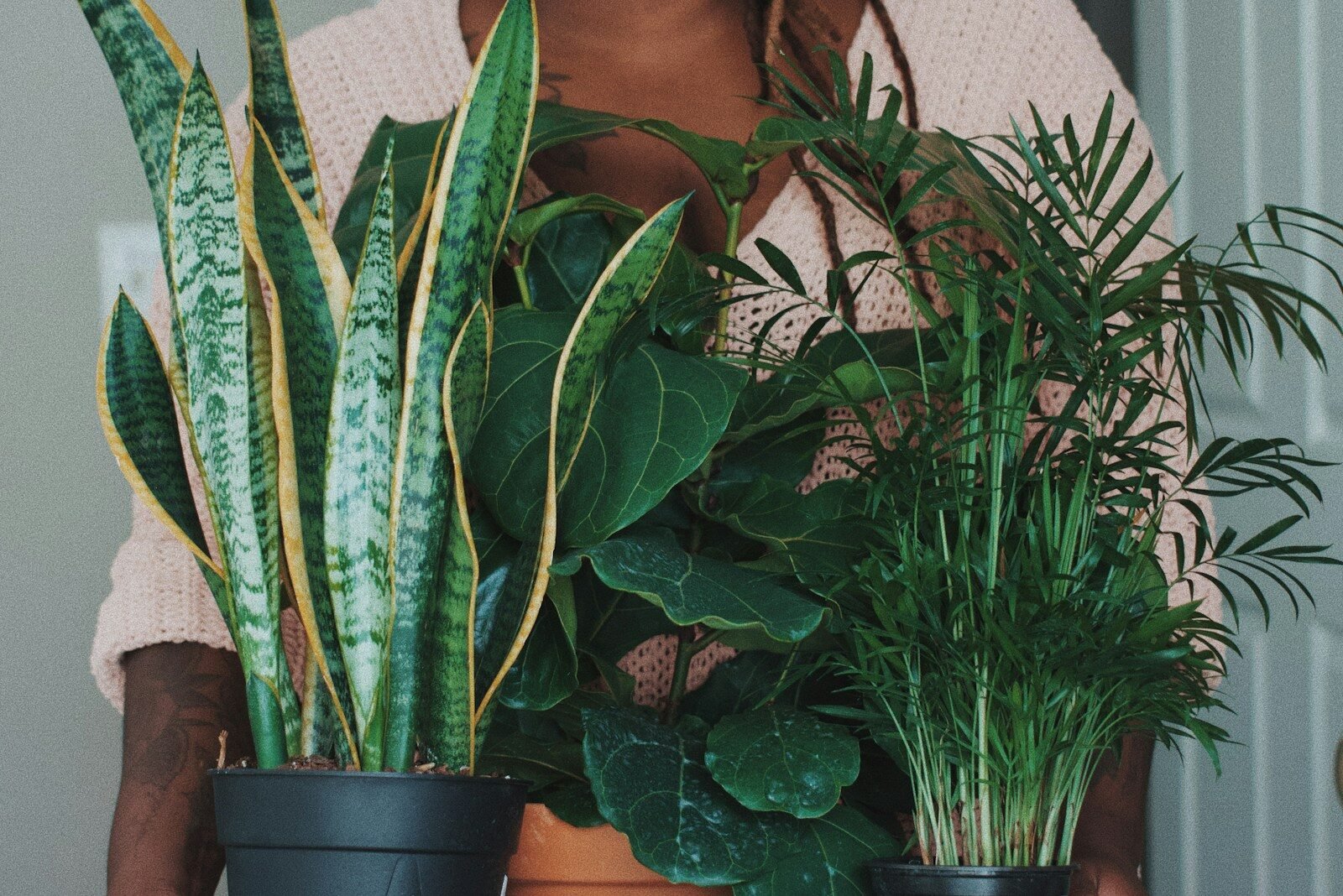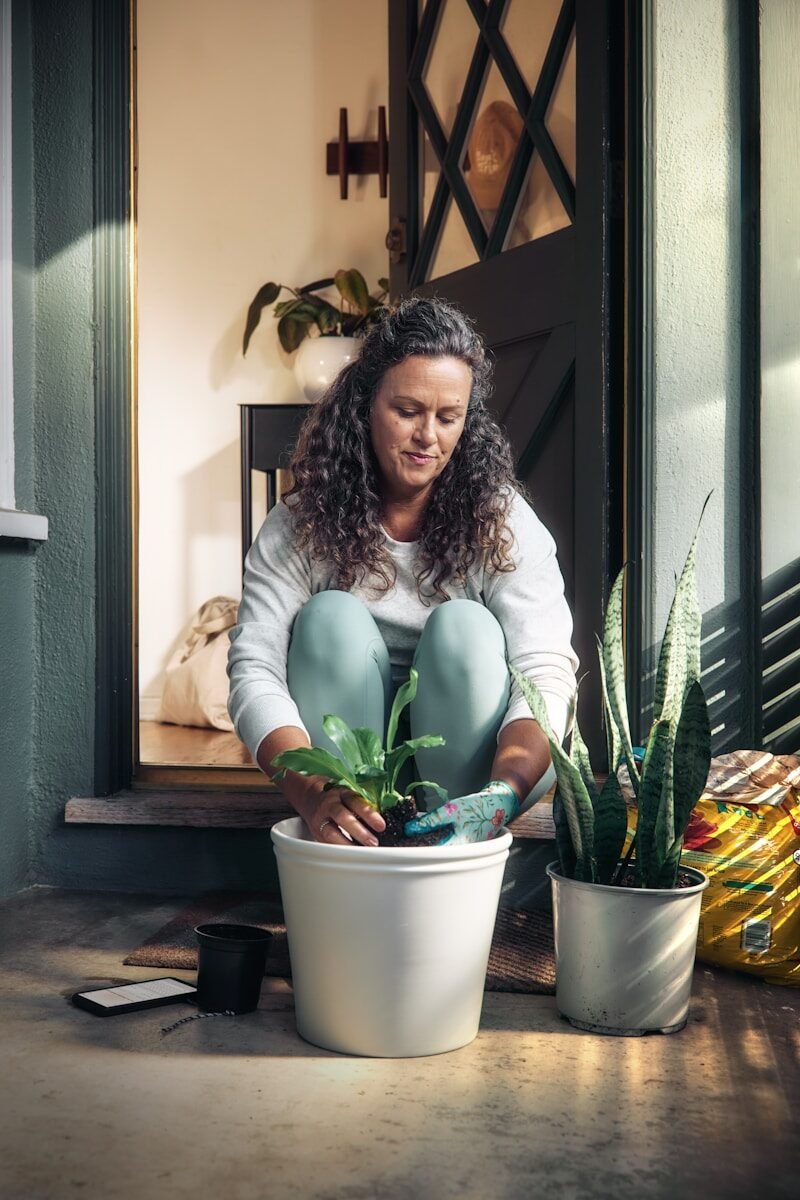
Introduction: Turn Dim Rooms into Plant Havens with the Right Grow Light
Have a windowless office or a north-facing living room? You can still grow lush foliage. With the best grow lights for low light houseplants, dim spaces become vibrant, low-maintenance jungles. Modern LEDs are efficient, cool-running, and tuned to the photosynthetic sweet spots plants crave.
In this guide, you’ll get simple, data-backed advice on spectrum, PPFD, DLI, fixture types, and setup—plus a 2026 shortlist for every budget. We’ll also cover safety, energy costs, and care tips so your plants thrive year-round.
Want foundational plant-care tips too? Explore the care hub at Plant Doctoring Plant Care. For background on artificial plant lighting, see Wikipedia: Grow light.
Quick Summary: 2026 Top Picks by Use Case, Spectrum, and Budget
- Best Overall (Low-Light Rooms): Dimmable full-spectrum LED panel (3500–4500K) with 660 nm red, 80–120 W, ~2.2–2.7 µmol/J, even coverage for 2’×2′ to 3’×3′.
- Best Budget: 20–40 W full-spectrum lamp or 2-pack LED bars, 4000–5000K, ~1.8–2.2 µmol/J; great for shelves and desktops.
- Best Clip-On: Flexible gooseneck lamp with two to four heads, independent dimming, and timer for targeted lighting.
- Best Bar Light (Shelves): Linkable 12–24 W bars with diffusers for even PPFD along plant racks.
- Most Aesthetic: Minimalist pendant or task-style lamp in warm-neutral 4000K for living spaces where fixtures are visible.
Targets: Aim for PPFD ~50–150 μmol/m²/s at the leaves for pothos, snake plant, ZZ, philodendron, and peace lily. Keep lights 8–18 inches above foliage depending on wattage and beam angle.
Need general care refreshers to pair with lighting? See this plant-care resource.
How to Choose: Spectrum, PPFD Targets (50–150 umol/m2/s), Coverage, and Distance
Spectrum: For foliage plants, a neutral 3500–5000K full spectrum with some 660 nm red is ideal. This looks natural indoors and supports steady growth. You don’t need heavily purple lights for low-light species.
PPFD: Low-light houseplants thrive around 50–150 μmol/m²/s. Closer to 50–80 for snake plant and ZZ; 100–150 for philodendron, peace lily, and many ferns. Learn the term PPFD here: Wikipedia: PPFD.
Coverage: Match fixture size and optics to your footprint. Panels suit 2’×2′ to 3’×3′ areas; bars excel on shelves; clip-ons target single plants. Check manufacturer’s PPFD map when available.
Distance: Start at 12–16 inches for 20–40 W lamps; 14–20 inches for 60–120 W panels. Raise or dim to hit your PPFD target without leaf stress (curling, bleaching).
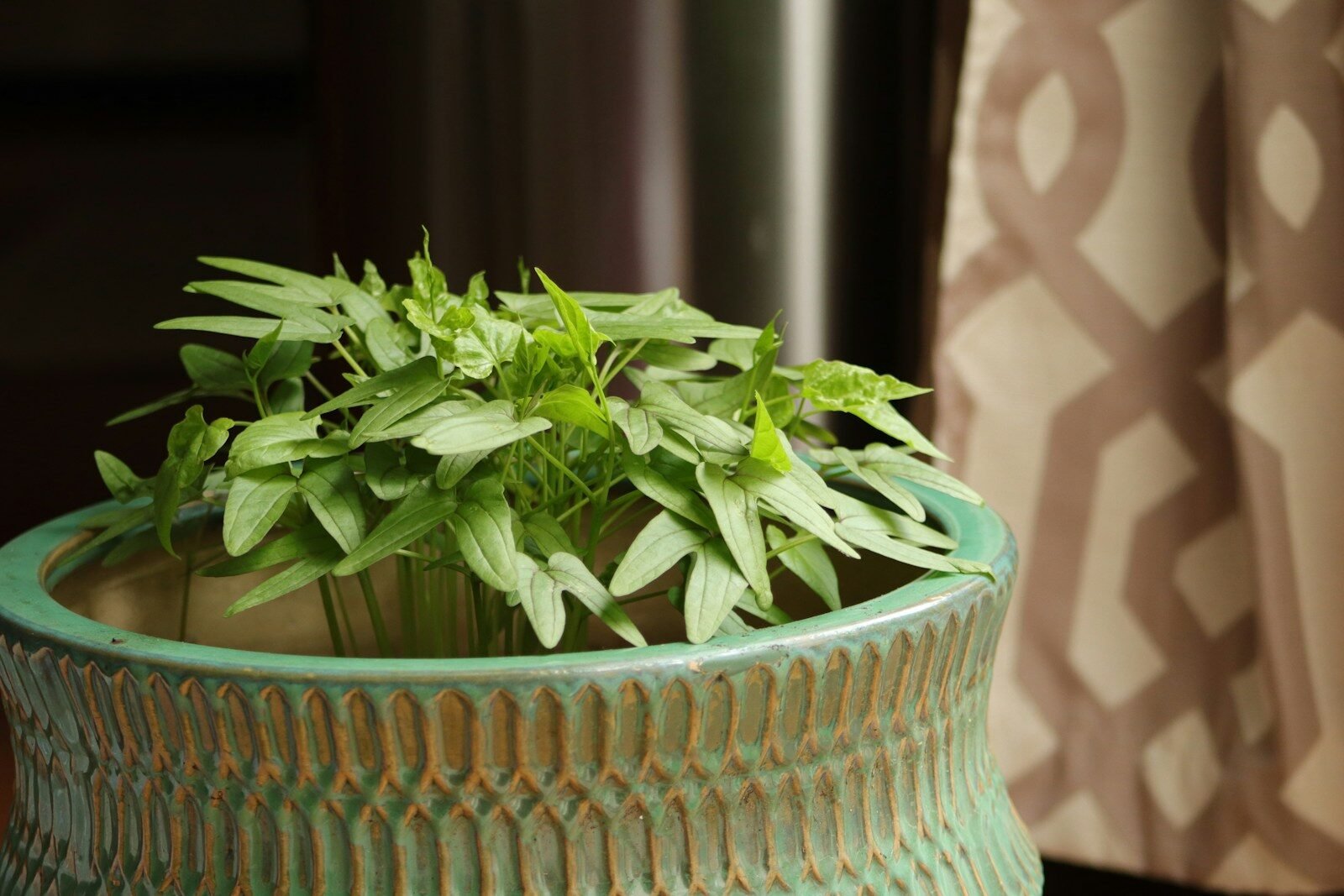
2026 Shortlist: Best Overall, Best Budget, Best Clip-On, Best Bar Light, Most Aesthetic
- Best Overall Panel: 100 W dimmable full-spectrum LED with 660 nm red, removable diffuser, and silent driver. Why: Balanced PPFD (100–150 μmol/m²/s) across 2’×2′, great for mixed foliage.
- Best Budget Lamp: 30 W desk-style light at 4000–5000K with three-step dimmer and wide reflector. Why: Affordable, easy to place 10–14 inches above a single plant or small cluster.
- Best Clip-On: Dual or quad gooseneck, independent heads, and 4/8/12-hour timer. Why: Targets multiple plants on a windowsill; simple daily automation.
- Best Bar Light: Linkable 18–24 W bars with daisy-chain and diffuser lens. Why: Shelf growers get even spread for herbs and trailing vines without hotspots.
- Most Aesthetic: 3500–4000K pendant or floor lamp with integrated full-spectrum LED. Why: Blends with decor while delivering PPFD 60–120 μmol/m²/s.
For pairing lights with care routines (watering, feeding, pruning), check the Plant Care library.
Setup Guides: Ideal Heights, Angles, and Timers for Common Low-Light Plants
- Pothos & Heartleaf Philodendron: 100–150 μmol/m²/s. Place a 20–40 W lamp 10–14 inches above. Angle slightly off-center to reduce glare. Timer: 10–12 hours/day.
- Snake Plant (Sansevieria) & ZZ: 50–90 μmol/m²/s. 20–30 W at 12–18 inches. Timer: 8–10 hours/day. Allow soil to dry more between waterings.
- Peace Lily: 90–130 μmol/m²/s. 30–60 W at 12–16 inches. Timer: 10–12 hours/day. Watch for wilting as a watering cue.
- Ferns (e.g., Boston): 80–120 μmol/m²/s. Diffused bar lights 10–12 inches above to avoid crisping fronds. Timer: 10–12 hours/day; maintain humidity.
- Calathea/Maranta: 80–120 μmol/m²/s, softer light. Use diffusers and keep 12–16 inches. Timer: 10–12 hours/day.
Tip: If leaves lean, rotate plants weekly and adjust angle for even coverage. For more plant behavior cues, see these care insights.
Wattage, Footprint, and DLI: Simple Formulas for Success
Right-size your light: For low-light foliage, target ~25–40 W per 2’×2′ area with efficient LEDs (diffused). Shelves often need 10–20 W per 1–2 feet of bar lighting.
DLI (Daily Light Integral): A practical threshold for many low-light houseplants is 4–10 mol/m²/day. Quick math: DLI = PPFD × hours × 0.0036.
- Example 1: 80 μmol/m²/s for 12 hours → 80 × 12 × 0.0036 ≈ 3.5 DLI (maintenance light; slow growth).
- Example 2: 120 μmol/m²/s for 12 hours → 120 × 12 × 0.0036 ≈ 5.2 DLI (healthy growth).
Deep dive on DLI: Wikipedia: Daily light integral.
Safety and Energy Costs in 2026: Heat, Efficiency, and Power Planning
Heat & clearance: Keep 6–12 inches of open air above panels; never drape fabric over lights. Use fixtures with aluminum heat sinks and UL/ETL-listed drivers.
Efficiency: Look for efficacy ratings ~2.0–3.0 μmol/J. Diffusers improve comfort but slightly reduce PPFD—compensate with distance or runtime.
Energy cost formula: kWh/month = (watts ÷ 1000) × hours/day × 30. Cost = kWh × local $/kWh.
- Example: 60 W panel × 12 h/day → 0.06 × 12 × 30 = 21.6 kWh/month. At $0.20/kWh → about $4.32/month per light.
See guidance from the U.S. DOE and bulb efficiency info at ENERGY STAR.
Maintenance and Longevity: Cleaning, Diodes, and When to Upgrade
- Monthly: Dust the fixture and clean diffusers with a microfiber cloth. Dust can cut output by 5–10%.
- Quarterly: Inspect cables, timers, and clips. Tighten mounts; check for heat discoloration or flicker.
- Annually: Reassess PPFD at plant height (if you own a meter) or monitor growth. Dim or raise fixtures as plants grow.
- When to upgrade: If leaves elongate despite proper watering and feeding, or if fixture output has noticeably dropped after 3–5 years, consider a higher-efficacy model or fresh diodes/driver.
Pair lighting with consistent care—watering and nutrition guidance lives here: Plant Doctoring Plant Care.
Conclusion: Light Your Plants Right—Effortless Growth Year-Round
The right grow light turns low-light corners into thriving plant displays. Focus on neutral full spectrum, hit 50–150 μmol/m²/s, and size coverage to your footprint. Use timers to automate 8–12 hours of light, and keep an eye on heat and energy.
Do this, and your pothos, snake plant, ZZ, and philodendron will look lush in any room—window or not.
FAQ: Are 4000K bulbs enough? How many hours per day? Can lights replace windows? Will lights fade furniture? Are purple LEDs better? Do seedlings need different settings?
- Are 4000K bulbs enough? Yes—if they’re designed as full-spectrum grow lights with decent output. A plain 4000K office bulb can work in a pinch, but purpose-built fixtures deliver better PPFD and often include 660 nm red.
- How many hours per day? Most low-light houseplants thrive on 10–12 hours. Very tough species (ZZ, snake plant) can do well at 8–10 hours if PPFD is near 80–100 μmol/m²/s.
- Can lights replace windows? For foliage plants, yes—as long as you meet DLI (4–10) with the right PPFD and runtime. For flowering/fruiting, higher DLI is needed.
- Will lights fade furniture? Prolonged exposure can fade fabrics. Use diffusers, angle lights downward, and avoid washing walls or couches with direct beams.
- Are purple LEDs better? Not for low-light homes. Neutral white full spectrum grows just as well and looks natural. Purple can be efficient but is less pleasant indoors.
- Do seedlings need different settings? Yes—seedlings prefer slightly higher PPFD (150–300 μmol/m²/s) and 14–16 hours/day. For this article’s low-light houseplants, stay within the 50–150 range.
For more basics beyond lighting, browse Plant Doctoring’s care articles.