Introduction: Save Your Overwatered Pothos Fast (What to Do in the First Hour)
If you are searching for how to revive overwatered pothos, speed is your best friend. The first hour sets the tone for recovery. Your goal is to stop root suffocation, remove rot, and reset the plant in a breathable setup.
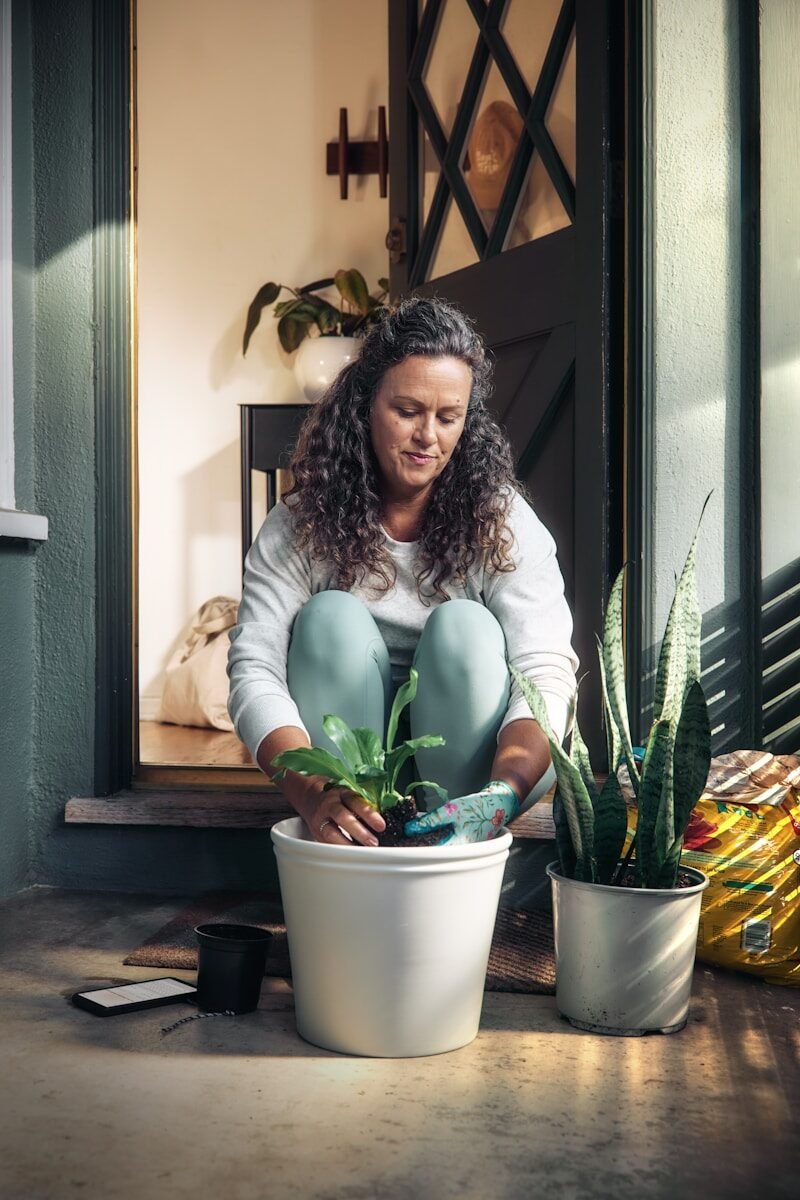
Move the plant to a sink or workspace and gently slide it out of its pot. Blot away soggy soil and let the root ball air for 15–30 minutes in bright, indirect light. Gather essentials: sterile pruners, fresh airy mix, a pot with drainage holes, paper towels, and a fan for light airflow.
Keep leaves out of direct sun, do not fertilize, and avoid more water right now. A calm, methodical approach will give your pothos the oxygen and stability it needs to bounce back.
Quick Summary: Diagnose, Unpot, Trim Rot, Repot in Airy Mix, Reset Watering, Monitor Recovery
- Diagnose fast: Confirm overwatering by checking wet, heavy soil, yellowing leaves, and a musty smell.
- Unpot carefully: Remove the plant and loosen soggy soil without tearing healthy roots.
- Trim rot: Prune away brown, mushy roots and blackened stems with sterilized shears.
- Repot in an airy mix: Use a chunky, well-draining blend and a pot with real drainage holes.
- Reset watering: Water only when the top 2–3 inches are dry, then water deeply and drain fully.
- Monitor recovery: Provide bright, indirect light, steady warmth, and watch for new growth over 3–8 weeks.
For more foundational tips across similar houseplants, browse our Plant Care library at Plant Doctoring Plant Care.
Overwatered vs Underwatered Pothos: Telltale Signs and Simple Tests
Both overwatering and underwatering cause droop, but the details differ. Overwatered pothos often show yellowing leaves, limp foliage, and mushy stems. Underwatered plants tend to have crispy edges, curling leaves, and very light pots.
- Finger test: Insert a finger 2–3 inches down. Cold, wet soil = hold water. Dry and crumbly = ready to water.
- Weight test: Lift the pot. Overwatered pots are heavy; underwatered ones feel featherlight.
- Smell test: A sour or musty odor hints at anaerobic conditions and possible root rot.
- Leaf texture: Overwatered leaves feel limp and soft. Underwatered leaves feel thin and papery.
- Stem color: Blackened, collapsing stems indicate rot from excess moisture.
If signs point to too much water, proceed immediately to unpotting and inspection.
Immediate Triage: Unpotting, Root Inspection, and Pruning Away Rot
Place the plant on newspaper or a tray. Gently tease away wet soil with your fingers. If needed, lightly rinse to expose roots without blasting them. Healthy roots are firm and cream/white; rotten roots are brown to black, mushy, and may slough when rubbed.
Sterilize pruners with isopropyl alcohol. Trim all rotten roots back to clean, firm tissue. Remove any black, hollow stems above the soil line. Let cuts air-dry 10–15 minutes to reduce infection risk. Avoid fertilizers and misting at this stage.
Optional: a one-time gentle drench of 3% hydrogen peroxide diluted 1:10 with water can add oxygen, but it is not a substitute for fixing drainage. See the FAQ for safety tips.
Repotting the Right Way: Best Soil Mix, Pot Size, and Drainage Setup
Pothos (Epipremnum aureum) thrives in an airy, fast-draining medium. A balanced DIY mix promotes oxygen at the root zone and prevents waterlogging.
- Airy mix: 40% high-quality potting soil, 30% perlite or pumice, 20% orchid bark, 10% coco coir or coarse peat.
- Right pot size: Choose a pot just 1–2 inches wider than the current root mass to avoid soggy, unused soil.
- Real drainage: Ensure at least one unobstructed drainage hole. Add a mesh screen to keep mix in and water flowing out.
- No gravel layer: Skip the myth. Gravel raises the perched water table and worsens overwatering.
Set the plant slightly below the rim, backfill gently, and tap the pot to settle. Water thoroughly once to seat the mix, then drain completely. Learn more about the species background on Wikipedia.
Watering Reset: How Often to Water Pothos by Light, Season, and Pot Type
After repotting, water only when the top 2–3 inches are dry. Then water thoroughly until excess drains. Frequency depends on light, season, mix, and pot material.
- Bright, indirect light: Every 5–9 days in warm months; 10–14 days in winter.
- Moderate/low light: Every 10–21 days. Lower light = slower drying = longer gaps.
- Terracotta vs plastic: Terracotta dries faster; plastic retains moisture longer.
- Humidity and airflow: Higher airflow and 40–60% humidity help prevent stagnant, soggy conditions.
- Tools: Moisture meters are helpful, but the finger test and pot weight remain the gold standard.
Always empty saucers. Consider bottom-watering occasionally to evenly hydrate, but verify the top portion also dries between waterings. For broader watering strategies, visit our houseplant care hub. For general houseplant watering principles, see the RHS guide.
Recovery Timeline: Week-by-Week Expectations and New Growth Signs
- Week 1: Stabilization. Leaves may still yellow as the plant sheds damaged tissue. Keep light bright and indirect, no fertilizer.
- Week 2: Petioles firm up, stems feel less limp. No new leaves yet is normal. Maintain consistent warmth.
- Weeks 3–4: Look for swelling at nodes and tiny new leaves. Resume light watering only when dry at depth.
- Weeks 5–8: Steadier growth and longer vines. Begin light feeding at 1/4–1/2 strength if roots are active and foliage is perking up.
Remove fully yellow leaves; they will not revert. Celebrate small wins like firmer stems and new node activity as signs your pothos is truly reviving.
Long-Term Prevention: Light, Humidity, and Potting Best Practices
- Light: Provide bright, indirect light to fuel faster drying and stronger growth. Avoid harsh midday sun on leaves.
- Humidity & airflow: Aim for 40–60% humidity with gentle air movement to discourage fungus and stale soil.
- Potting routine: Refresh the top inch of mix every 6 months; repot every 12–18 months or when roots circle densely.
- Smart containers: Use breathable terracotta if you tend to overwater; plastic if you underwater.
- Fertilizer: During active growth, feed monthly at half-strength. Skip feeding when plants are stressed or in winter.
Keep learning with related guides in our Plant Care collection to prevent future overwatering setbacks.
Conclusion: Your Step-by-Step Path to a Thriving Pothos
Reviving an overwatered pothos is a clear, doable process: diagnose, unpot, prune rot, repot in a chunky mix, reset watering, and monitor patiently. With oxygen at the roots and a smart watering rhythm, your Epipremnum aureum can recover beautifully.
Bookmark this plan and trust the timeline. In a few weeks, you will see firm stems and new leaves proving your care worked.
FAQ: Can a pothos with black stems recover? How long to see new leaves? Should I propagate cuttings? Do yellow leaves turn green again? Is hydrogen peroxide safe? What if there’s a musty smell?
- Can a pothos with black stems recover? Yes, if there is still firm, green tissue at nodes. Prune back to healthy growth and repot in an airy mix. Remove any hollow or mushy segments.
- How long until I see new leaves? Typically 3–8 weeks depending on light, temperature, and root recovery. Expect stabilization first, then new growth.
- Should I propagate cuttings? Absolutely, if you have healthy nodes and leaves. Take 4–6 inch cuttings, remove the lowest leaf, and root in water or moist, airy mix. This hedges your bets while the mother plant recovers.
- Do yellow leaves turn green again? No. Once chlorophyll is lost, that tissue will not revert. Trim fully yellow leaves to redirect energy to new growth.
- Is hydrogen peroxide safe? A one-time, gentle soil drench of 3% H2O2 diluted 1:10 with water can add oxygen and reduce anaerobic microbes. Use sparingly, and fix the real issue: drainage and watering frequency.
- What if there’s a musty smell? That suggests stagnant, oxygen-poor soil and possible rot. Unpot, prune affected roots, discard old mix, and repot into a chunky, well-draining blend with proper drainage.
For additional plant care refreshers and troubleshooting, browse our Plant Care articles. For species info and growth habits, see Epipremnum aureum on Wikipedia.