Introduction: The Straight Facts on Copper—What Works and When
Looking for copper fungicide spray reviews that cut through the hype? Copper works—as a preventative protectant—but only when matched to your crop, pathogen pressure, and water quality. Used correctly, fixed-copper products suppress blights, leaf spots, downy mildews, bacterial cankers, and more. Used carelessly, they can burn foliage and stain surfaces.
This guide distills field-proven insights on copper hydroxide, oxychloride, octanoate (copper soap), and sulfate. You’ll see how they differ in availability, rainfastness, phytotoxicity risk, and ease of use, plus a 2026 playbook for mixing, pH, and timing. If you’re new to spray setup, start with our internal resources on sprayer calibration and water quality basics in pH management.
For background on copper’s chemistry, see copper(II) hydroxide and the classic Bordeaux mixture.
Quick Summary: Match copper type to crop and disease; mind rates, pH, and burn risk
- Choose by target: Hydroxide/oxychloride excel on bacterial spot/canker and many downy mildews; octanoate is gentler on tender foliage; sulfate is typically used in Bordeaux or as a soil amendment, not common solo foliar.
- Think coverage: Copper is contact-only; thorough, fine-mist coverage is everything. See calibration tips.
- Watch pH: Avoid low pH (<6) for most fixed coppers; acidified water can increase phytotoxicity.
- Rates and intervals: Follow the label; increase interval frequency during high disease pressure and heavy rain.
- Burn risk: Greatest on young, tender foliage, in hot/dry or very cold snaps, and at low pH. Test-spray first.
Copper Types Explained: Hydroxide, Octanoate (Soap), Oxychloride, Sulfate Basics
Copper hydroxide (often the benchmark for broad utility) provides relatively high bioavailable copper ions and strong activity against bacterial and fungal leaf pathogens. Good rainfastness when applied with sticker-spreaders and allowed to dry. Reference chemistry: Cu(OH)₂.
Copper octanoate (copper soap) is gentler, popular with organic and home gardeners, and fits sensitive plants but can be less persistent and needs tighter intervals.
Copper oxychloride tends to release copper more slowly than hydroxide, often resulting in a balanced profile of efficacy vs. burn risk with good coverage.
Copper sulfate is highly soluble and caustic on foliage when used alone; it’s classically combined with lime in Bordeaux mixture to reduce burn. See CuSO₄ background.
Performance Review: Coverage, Rainfastness, Phytotoxicity, Ease of Use
- Coverage: All coppers demand uniform deposition. Hydroxide and oxychloride wet well with a non-ionic surfactant or spreader-sticker. Soap forms often self-spread but still benefit from good nozzle choice.
- Rainfastness: Hydroxide and oxychloride rate higher if dried for 12–24 hours pre-rain. Octanoate typically needs shorter re-spray intervals under frequent showers.
- Phytotoxicity: Highest risk with sulfate; moderate with hydroxide/oxychloride at low pH or high heat; lowest with octanoate when used conservatively. Always spot test.
- Ease of use: RTU soaps are easiest; concentrates require accurate mixing, calibration, and pH checks. See our water quality guide.
For integrated tactics that complement copper (sanitation, resistant varieties, pruning), review Integrated Pest Management (IPM).
RTU vs Concentrate: Who Each Is For, Cost per Application, Equipment Needs
Ready-to-use (RTU): Best for houseplants, patios, balconies, and spot treatments. Minimal gear, low spill risk, but highest cost per treated area. Expect to pay more per 100 sq ft than concentrates.
Concentrates: Ideal for vegetable beds, small orchards, and vineyards. Lower cost per application—often 50–80% cheaper than RTU when scaled—but require a clean sprayer, nozzle selection, and a quick calibration step.
- Equipment: Hand pump or backpack sprayer, measuring syringes/cups, pH meter/strips.
- Cost sanity check: Calculate per-application cost: product used (oz) × price per oz + adjuvants ÷ area covered.
- Time factor: RTU saves mixing time; concentrates win on larger jobs.
Safety and Stewardship: Label Compliance, PPE, Bee and Aquatic Considerations
- Label is law: Follow labeled rates, intervals, REI/PHI, and site restrictions. Different coppers vary by crop and disease claims.
- PPE: At minimum, gloves, eye protection, long sleeves, and closed-toe shoes. Avoid drift into living spaces or ponds.
- Pollinators: Spray when bees are not active (early morning/late evening) and avoid blooming periods where possible. See the EPA pollinator guidance.
- Aquatic caution: Copper is toxic to fish and aquatic invertebrates. Prevent runoff and dumping into drains.
- Rinsate: Triple-rinse equipment; apply rinsate to labeled sites at labeled rates.
For burn prevention and diagnosing leaf injury vs. disease, see leaf burn prevention and tomato disease diagnosis.
Top Picks by Use Case (Unbranded): Houseplants, Veg Gardens, Orchards, Vines
- Houseplants: Copper octanoate (soap) in RTU format for mild foliar spots and occasional downy mildew on ornamentals. Gentle, quick to deploy, reapply more often.
- Vegetable gardens: Hydroxide or oxychloride concentrates for early blight on tomatoes, bacterial spot on peppers, and downy mildews on cucurbits—rotate with non-copper modes where allowed. Review our powdery mildew guide for alternates.
- Orchards: Fixed copper (hydroxide/oxychloride) for fire blight suppression during bloom (per label), and shot hole/bacterial cankers in dormant or delayed-dormant timings.
- Vines (grapes and hops): Hydroxide or oxychloride for downy mildew protection; monitor variety sensitivity and tank pH to avoid leaf burn.
These unbranded picks reflect typical strengths across categories in many copper fungicide spray reviews and field programs; always verify crop and timing on your specific label.
Application Playbook 2026: Timing, Tank Mixing, pH, Avoiding Leaf Burn
- Timing: Copper is preventative. Begin ahead of forecasted rain/humidity or at first signs of favorable conditions, then maintain 7–14 day intervals (shorter in high pressure).
- Mix order: Fill tank 1/2–2/3 water → check/adjust pH 6.5–7.5 (avoid <6) → add adjuvant if labeled → add copper while agitating → top up water. Re-check pH after mixing.
- Water quality: Hardness is usually less critical than acidity; avoid acidifiers with copper unless label specifies.
- Spray conditions: Aim for cool, calm hours; avoid hot, dry wind or frost risk within 24 hours.
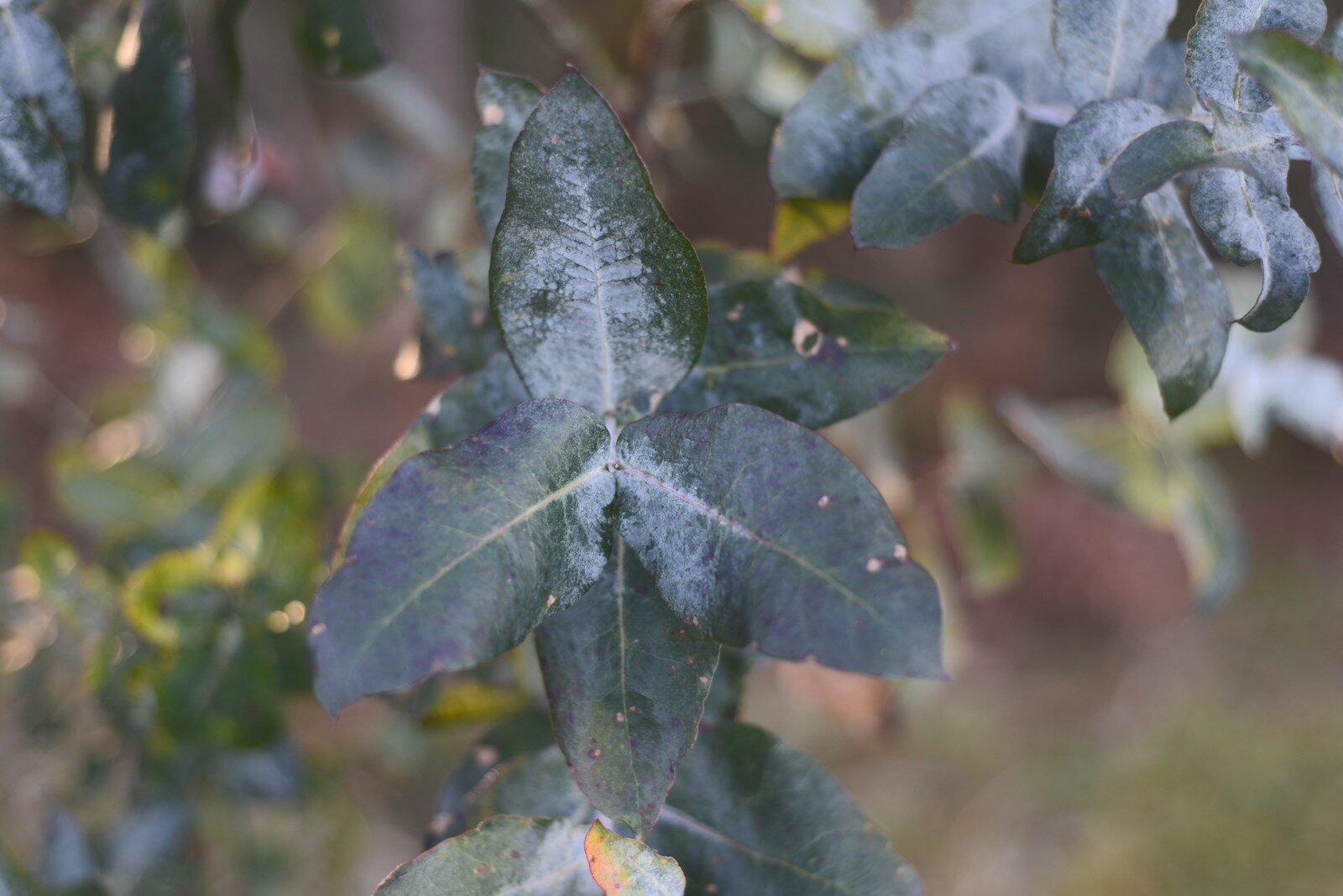
- Leaf burn prevention: Do a jar test and spot spray a few plants. Reduce rate on tender growth, allow foliage to dry before night temps drop near freezing, and avoid low pH mixes.
- Compatibility: Do not mix with phosphate, highly acidic, or strong sulfur products unless label permits. Alternate modes for resistance management.
For deeper mixing and calibration, see this step-by-step.
Conclusion: Choose Smart, Spray Right, Keep Plants Protected
Copper can be a cornerstone protectant when deployed with precision. Match copper chemistry to crop and pathogen, respect label rates, manage pH, and prioritize coverage. Whether you prefer RTU for convenience or concentrates for economies of scale, the right setup keeps leaves clean and reduces losses.
Combine copper with IPM practices—sanitation, airflow, resistant varieties—to lower disease pressure and extend intervals. Bookmark this 2026 playbook and consult our in-depth guides across Plant Doctoring to keep your program sharp and sustainable.
FAQ: Can copper cure existing infections? How often to reapply? Is it organic? Will it stain surfaces? How to avoid tomato leaf burn?
Can copper cure existing infections? No. Copper is primarily a preventative contact protectant. It shields new tissue and slows spread; it doesn’t eradicate disease inside leaves.
How often should I reapply? Follow your label. Typical intervals are 7–14 days, shorter under high pressure or frequent rain, and longer in dry, cool periods.
Is copper organic? Many fixed-copper products are OMRI-listed or allowed in organic systems, but certification depends on the exact product and your program. Verify with your certifier.
Will it stain surfaces? Yes. Copper can stain masonry, decks, siding, and porous materials. Mask or rinse surfaces promptly and avoid overspray.
How do I avoid tomato leaf burn? Keep mix pH 6.5–7.5, spray in cool, calm windows, reduce rates on tender flushes, and spot test first. See our tomato troubleshooting for more tips.
For further reading on copper chemistry and Bordeaux formulations, consult this overview and university extension resources such as UC IPM.