Introduction: Beat Mildew with Low‑Impact Biologicals
If you’re battling the white haze of powdery mildew, you don’t have to reach first for harsh chemistries. Today’s biofungicides offer targeted, low-impact control that fits into integrated pest management while protecting beneficials. This guide ranks the best biofungicides for powdery mildew and shows how to spray for consistent, season-long suppression.
We’ll cover proven microbial actives, biorational contact protectants, where each shines across roses, cucurbits, grapes, and ornamentals, and the timing and rotation tactics that separate good results from great ones.
New here? Explore more mildew resources on our site: Powdery mildew tips and biofungicide know‑how.
Quick Summary: Choose proven microbes and contact protectants; spray early and often for best results
- Top choices: Bacillus-based biofungicides (e.g., B. subtilis/QST 713, B. amyloliquefaciens/D747), Trichoderma spp., Streptomyces spp., plus contact protectants like horticultural oils and potassium bicarbonate.
- Start preventively at first sign of conducive weather or earliest lesions; reapply every 5–10 days based on pressure.
- Prioritize coverage: fine-to-medium droplets to light runoff, both leaf surfaces.
- Rotate modes and tank-mix compatible partners to slow resistance and extend control.
What Counts as a Biofungicide: Microbes, Extracts, and Biorational Allies
Biofungicides include living microbes and natural‑origin compounds that suppress disease via competition, antibiosis, induced resistance, or contact desiccation. The category is broader than just microbes and often sits within biopesticides.
- Microbial actives: Bacillus, Trichoderma, and Streptomyces strains colonize surfaces and secrete antifungal metabolites.
- Botanical oils: neem, jojoba, and paraffinic oils act as contact eradicants and protectants.
- Biorational salts: potassium bicarbonate disrupts mildew hyphae on contact; excellent for knockback.
Learn more background on the disease itself on Wikipedia’s powdery mildew page to understand why prevention beats cure.
Expert Picks by Active Type: Bacillus‑based, Trichoderma, Streptomyces, Oils, Bicarbonates
- Bacillus-based (e.g., B. subtilis QST 713; B. amyloliquefaciens D747): Strong on prevention; forms a protective biofilm and releases lipopeptides. Excellent backbone for weekly programs.
- Trichoderma spp. (T. harzianum, T. atroviride): Competitive colonizers; can induce plant defenses. Pair with bicarbonate or oil for cleanup when pressure spikes.
- Streptomyces spp. (S. lydicus): Produces antifungal compounds; solid as a rotational microbe to diversify modes.
- Horticultural oils (neem, paraffinic, jojoba): Contact activity that eradicates visible mildew; vital for reset sprays. Avoid heat stress and recent sulfur applications.
- Potassium bicarbonate: Fast-acting contact eradicant; superb for first aid and as an interval tool between microbials.
Note: Always match strain-specific labels to your crop. Similar species can perform differently by strain.
Where Each Shines: Roses, Cucurbits, Grapes, Ornamentals—Use‑Case Matrix
- Roses: Begin preventively with Bacillus weekly; rotate in potassium bicarbonate after rainy/humid spells; use light-rate oil to clean up visible colonies.
- Cucurbits (cucumber, squash): Early microbial protection is critical; alternate Bacillus with Streptomyces; deploy bicarbonate or oil at first stippling to keep canopies marketable.
- Grapes: Tight intervals around pre‑bloom to bunch‑closure; Bacillus + Trichoderma rotation for protection, with bicarbonate/oil as tactical eradicants. Watch phytotoxicity windows near heat waves.
- Ornamentals: Diverse species, so test first. Bacillus weekly plus oil or bicarbonate as needed delivers a clean retail finish without residue concerns.
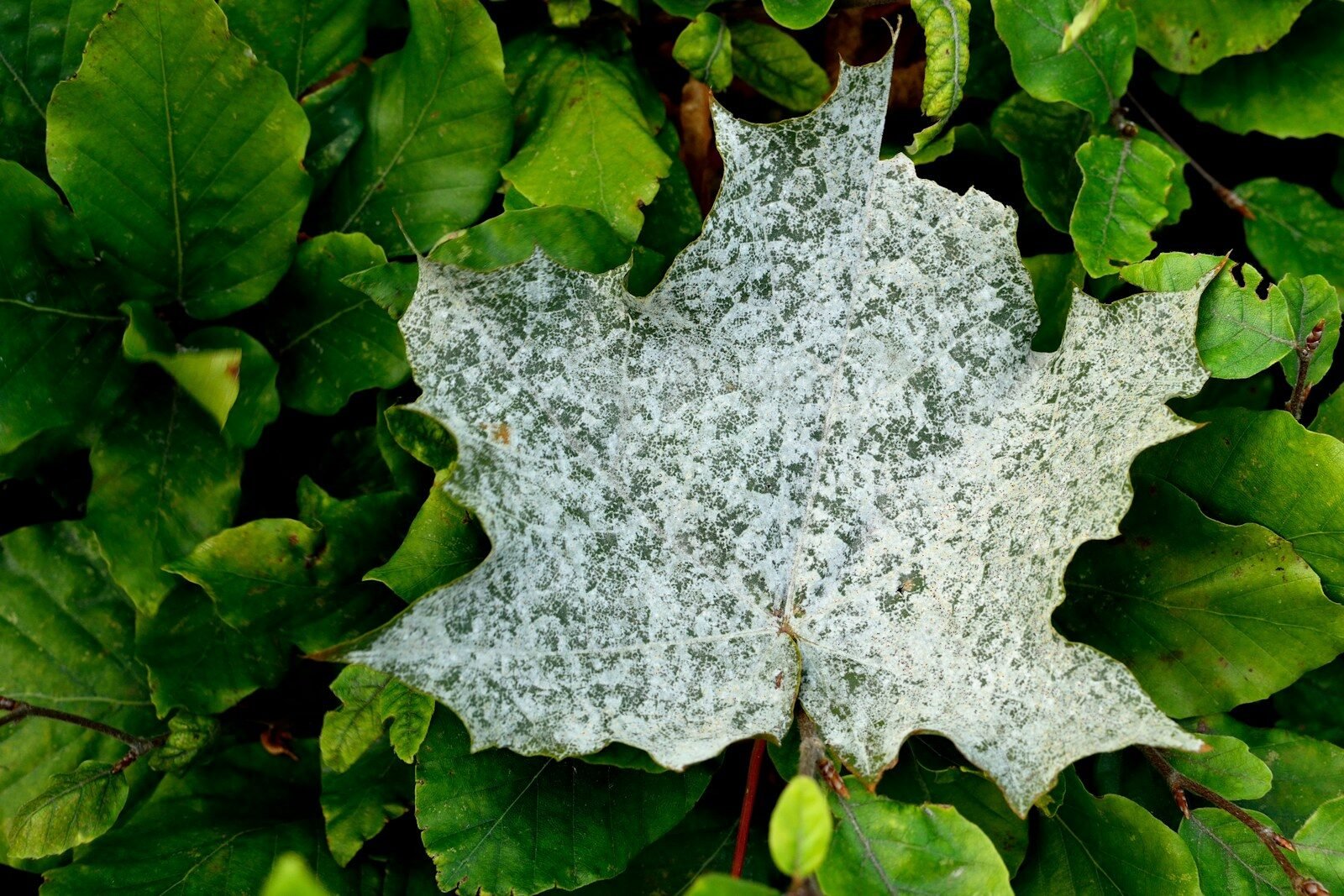
For diagnostic cues and images, see our internal roundup of powdery mildew posts.
Application Mastery: Timing, Coverage, pH, Reapplication Intervals
- Timing: Start early—at first conducive weather (warm days, cool nights, low airflow) or first faint lesions. Maintain shorter intervals during rapid growth.
- Coverage: Aim for uniform, fine-to-medium droplets to light runoff. Treat both leaf surfaces; mildew loves shaded undersides.
- Water quality: Keep spray solution pH ~6.0–7.0 for microbials. Hard water can bind actives—use a conditioner if needed.
- Adjuvants: Many microbials pair well with a low-rate nonionic surfactant; avoid cationic surfactants that can reduce viability.
- Intervals: 5–7 days in high pressure; 7–10 days when conditions ease. Reapply after heavy rain or vigorous flushes.
- Sanitation: Prune for airflow, remove heavily infected leaves, and avoid overhead irrigation late in the day.
Rotation and Tank Mix Tips: Compatibility and Resistance Stewardship
- Rotate biological modes: Alternate Bacillus with Trichoderma or Streptomyces to diversify metabolites and ecological niches. Reference FRAC biological categories (BM) for stewardship guidance at FRAC.
- Use contact partners: Insert potassium bicarbonate or horticultural oil between microbial sprays to knock back colonies and reset pressure.
- Compatibility: Avoid tank-mixing live microbials with strongly alkaline solutions, quaternary ammonium sanitizers, or copper/sulfur if the label warns. Perform a jar test for physical compatibility.
- Intervals with sulfur/oil: Keep a safe window (often 7–14 days) between sulfur and oils to prevent phytotoxicity; follow your product label’s exact interval.
- Do not over-rely on a single strain for the whole season; even biofungicides benefit from thoughtful rotation.
Common Mistakes to Avoid: Late Starts, Under‑Dosing, Poor Coverage
- Waiting too long: Biofungicides shine preventively; they struggle to recover a canopy smothered in mildew.
- Underdosing: Cutting rates to save cost backfires with biology. Use full label rates, especially at the start of a program.
- Skimping on coverage: Missed tissue becomes a mildew nursery. Calibrate equipment and slow your walking speed.
- Ignoring water pH/hardness: Unfavorable water can deactivate microbials and reduce bicarbonate performance.
- Hot sprays with oils: Spraying oils during heat or onto water-stressed plants increases burn risk.
Buying Checklist for 2026: Labels, Storage Temps, Shelf Life, OMRI
- Strain on the label: Prefer products listing exact strains (e.g., QST 713, D747). Strain specificity correlates with consistent performance.
- Regulatory markings: Look for OMRI if you need organic certification. Confirm your crop is listed.
- Storage guidance: Most microbials prefer cool, dry storage (often 4–25°C). Avoid freezing and trunk‑of‑car heat.
- Shelf life: Unopened typically 12–24 months; after opening, reseal tightly and use within the season for best viability.
- Formulation type: Wettable powders and liquid suspensions behave differently. Match your sprayer and filters.
- Support resources: Choose brands with accessible labels, SDS, tank-mix charts, and tech support.
Conclusion: Start Preventive, Stay Consistent, See Real Results
Consistent, preventive programs built around proven microbes and smart contact partners are the most reliable way to tame powdery mildew. Focus on early sprays, meticulous coverage, and steady rotation. With a few weeks of disciplined applications, you’ll see cleaner leaves, better flowering and fruit set, and a healthier canopy all season.
For more mildew management insights, browse our internal topic archive.
FAQ: Are biofungicides safe for pollinators? Can I alternate with sulfur? Do they cure infections? Shelf life after opening? Spray in heat or shade?
- Are biofungicides safe for pollinators? Generally yes when used as directed. Many microbials and bicarbonates have low toxicity to bees. Spray at dawn/dusk to minimize direct contact, and avoid spraying open blooms when bees are actively foraging.
- Can I alternate with sulfur? Yes—alternation helps resistance stewardship and can boost control. Do not tank-mix sulfur with oils, and respect label-stated intervals (often 7–14 days) between sulfur and oil sprays.
- Do they cure infections? Microbial biofungicides are primarily preventive. Contact partners like potassium bicarbonate and oils can knock back visible mildew but won’t reverse severe tissue damage. Prune out heavily infected leaves and improve airflow.
- Shelf life after opening? Most microbial products perform best if used within the same season once opened. Store sealed in a cool, dry place per label; avoid temperature extremes to protect viability.
- Spray in heat or shade? Apply in the cool of the day (early morning or late afternoon). Avoid spraying oils during hot, bright conditions to reduce phytotoxicity risk; bicarbonates are more forgiving but still prefer cooler windows.
For broader IPM context, see UC ANR’s powdery mildew guidance for key cultural practices that amplify biofungicide performance.