Introduction: Stop Bacterial Leaf Spot Before It Spreads Indoors
If you notice translucent, angular spots edged by yellow halos on your foliage, act fast. Recognizing the early signs of bacterial leaf spot on houseplants prevents a minor issue from becoming a collection-wide outbreak. Prompt isolation, pruning, and moisture control are your first lines of defense.
Unlike fungal issues, bacterial infections thrive on wet leaves and spread via splashes, tools, and touch. This guide explains how to diagnose symptoms accurately, cut off spread indoors, and apply safe, label-directed treatments. For background on plant-pathogenic bacteria, see the overview on Wikipedia.
Want more plant health how-tos? Explore the latest tutorials at Plant Doctoring home page for tools and care guides.
Quick Summary: Angular, water‑soaked lesions with yellow halos; isolate, prune, dry foliage, adjust watering
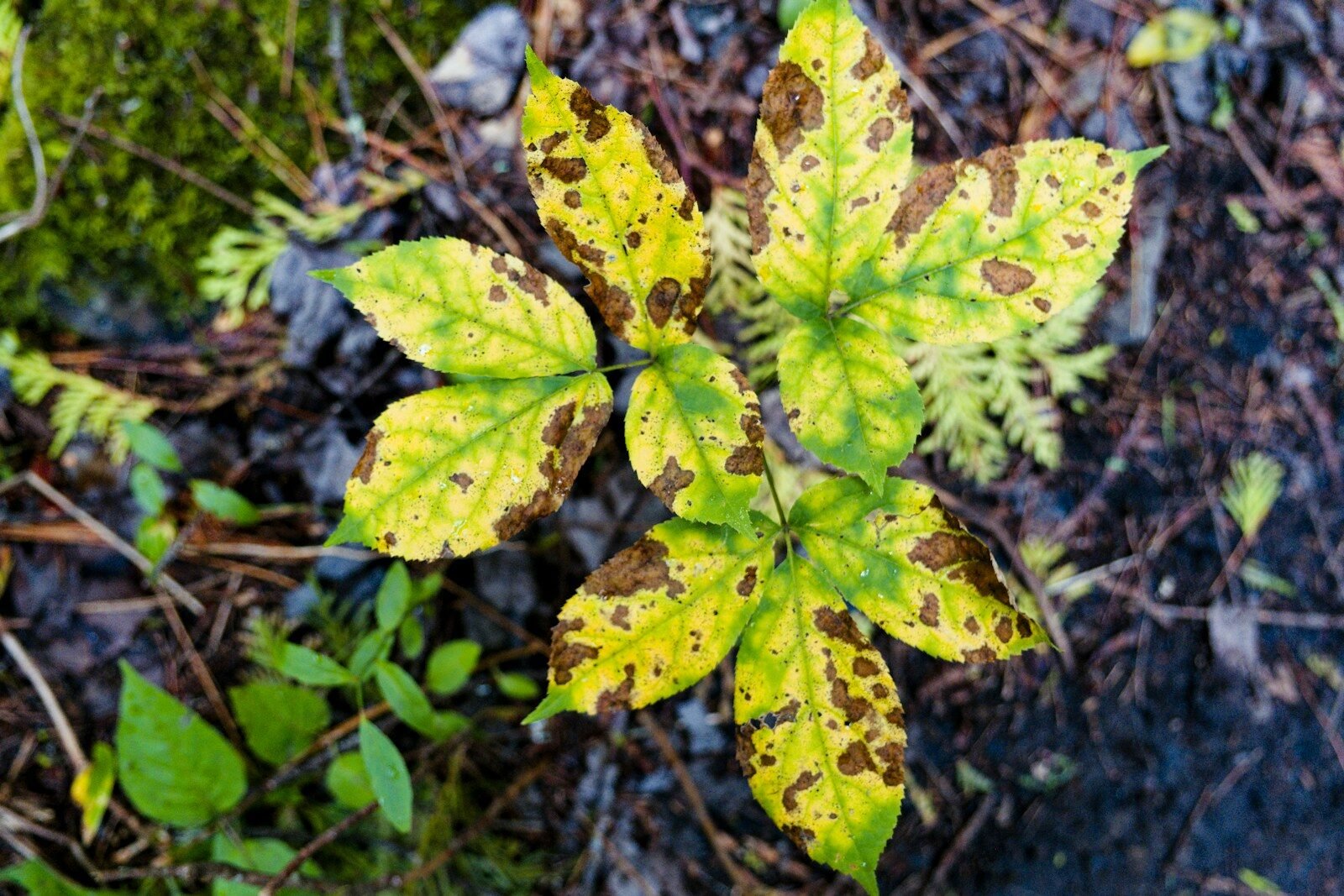
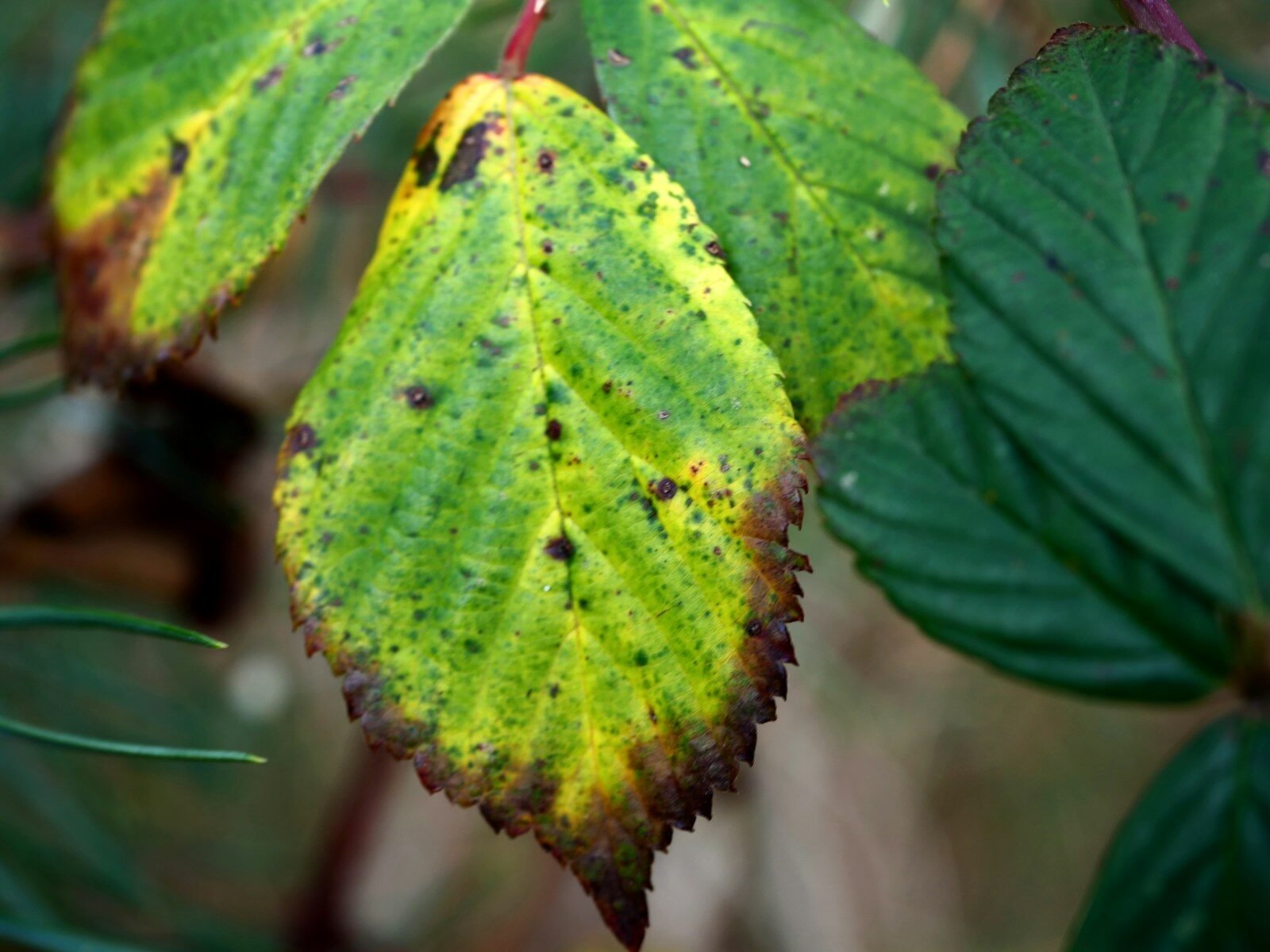
- Typical signs: Angular, water-soaked leaf spots that turn tan to dark brown, often bordered by a yellow halo; lesions align with veins and may appear translucent when backlit.
- First steps: Isolate the plant immediately, remove worst-affected leaves, and sterilize tools between every cut.
- Moisture control: Stop misting, water at the soil line, improve airflow, and ensure leaves dry within 4–6 hours after any wetting.
- Treatment: Consider copper-based bactericides on label-listed ornamentals; spray thoroughly at 7–10 day intervals as needed.
- Prevention: Quarantine new plants 2–3 weeks, sanitize benches and trays, and maintain steady indoor humidity with good air movement.
How to Recognize Bacterial Leaf Spot vs Fungal or Edema
Accurate diagnosis saves time and plants. Different problems can look similar from a distance, but close inspection reveals clear cues.
- Bacterial leaf spot (most common indoors: Xanthomonas, Pseudomonas): Angular, water-soaked lesions that follow veins; yellow to light-green chlorotic halos; may ooze when very humid and can look greasy. Spots rarely form concentric rings.
- Fungal leaf spots: Often more circular with distinct margins; may show concentric rings or a target-like pattern; under magnification you may see fuzzy sporulation. Typically slower to expand in dry air.
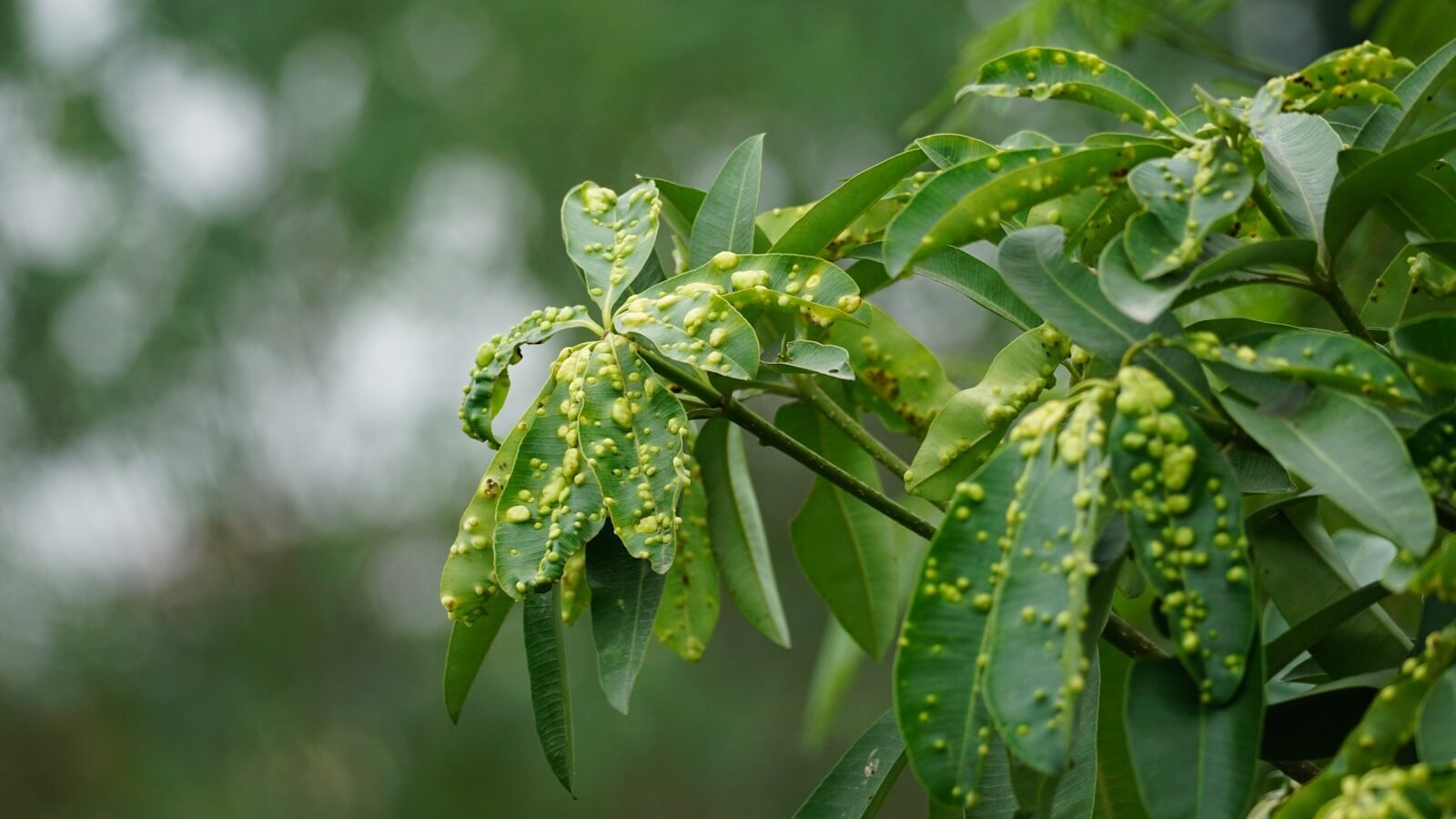
- Edema (physiological, not infectious): Corky, blister-like bumps (often underside); no halos; lesions are raised and scabby rather than water-soaked. Caused by root-to-leaf water imbalance and excess humidity/light mismatch.
When uncertain, backlight a leaf: bacterial lesions look translucent and angular; fungal spots look more opaque and round; edema is bumpy and dry.
Top Culprits and How They Spread: Splash, Tools, Overhead Watering
Indoors, the main bacterial offenders are Xanthomonas and Pseudomonas species. They exploit moisture and small wounds, moving quickly across tight plant displays.
- Splash and spray: Overhead watering, misting, and leaky humidifiers propel bacteria from leaf to leaf.
- Contaminated tools and hands: Pruners, stakes, and even cloths move pathogens between plants if not disinfected.
- Infected plant material: New plants or cuttings can carry latent infections; symptoms may emerge after a humidity spike.
- Standing water and crowded canopies: Extended leaf wetness and poor airflow accelerate infection cycles.
Reducing leaf wetness breaks the spread cycle; think of every droplet as a vehicle.
Immediate Isolation Protocol: Pruning, Tool Sterilization, Disposal Tips
Move the suspect plant away from your collection—ideally to a separate room with a door. Then prune and sanitize methodically.
- Glove up and bag debris: Wear disposable gloves; place removed leaves and surface litter directly into a sealable bag. Do not compost infected material.
- Prune conservatively: Remove leaves with numerous or expanding lesions, cutting 1–2 cm into healthy tissue to reduce pathogen load.
- Sterilize between every cut: Wipe blades for 30+ seconds with 70% isopropyl alcohol, or dip in a 1:9 bleach solution (10% household bleach) for 1 minute, then rinse and dry tools to limit corrosion.
- Disinfect surfaces: Clean saucers, shelves, and counters with a household disinfectant; launder cloths on hot.
- Quarantine duration: Maintain isolation for 2–3 weeks and monitor new growth for fresh lesions.
For ongoing sanitation routines, keep an eye on new how-tos via Plant Doctoring’s latest posts.
Moisture Management: Light, Humidity, Airflow, and Watering Technique
Leaf wetness duration is the strongest lever you control indoors. Aim for bright, indirect light, steady humidity, and consistent drying cycles.
- Light: Increase light (without burning) to speed dry-down and encourage resilient growth. Clean windows and dust leaves to improve photosynthesis.
- Humidity: Keep general humidity moderate (40–60%) and avoid misting when disease is present. Use room humidifiers that do not wet foliage and place them away from canopies.
- Airflow: Run a small oscillating fan on low to move air through leaves; this shortens wetness periods dramatically.
- Watering technique: Bottom-water or water at the soil line. Avoid splash by using a spout or squeeze bottle; empty saucers after 10–15 minutes.
- Timing: Water in the morning so any incidental splashes dry within 4–6 hours.
These cultural tweaks often halt mild cases by starving bacteria of surface moisture.
Treatment Options: Copper Bactericides, Safeguards, Spray Intervals
When cultural control isn’t enough, consider copper-based bactericides labeled for ornamental houseplants (e.g., copper hydroxide or copper octanoate). Always read and follow your local regulations and product labels.
- Coverage is critical: Spray both leaf surfaces to visible runoff, avoiding dripping onto neighboring plants.
- Intervals: Reapply every 7–10 days while conditions favor disease, or as label directs. Stop once new growth emerges clean and conditions are drier.
- Phytotoxicity check: Spot-test a small area first—some genera (e.g., Begonia) are sensitive. Avoid spraying under intense sun or on heat-stressed plants.
- No antibiotics: Human/animal antibiotics are not appropriate for home gardening and may be illegal; they drive resistance and are unsafe. See general guidance from University of Minnesota Extension.
- Hygiene continues: Even with sprays, maintain isolation and strict tool sanitation to limit reinfection.
For additional background on symptoms and management, Clemson’s HGIC factsheet offers a concise overview.
Prevention for 2026: Quarantine New Plants, Clean Benches, Leaf Dry‑Down Times
Codify prevention so your routine protects plants automatically—especially during peak indoor growing seasons.
- Quarantine: Hold new plants 2–3 weeks in a separate area. Inspect under backlight and after a humidity spike to reveal latent lesions. See the newest quarantine tips on Plant Doctoring.
- Clean benches: Disinfect worktops, trays, and humidity domes weekly with a labeled household disinfectant; rinse where required.
- Leaf dry-down targets: Plan watering so leaves dry within 4–6 hours. Use fans and brighter light to hit the target consistently.
- Dedicated tools: Keep separate shears for quarantine; color-code bands so they’re never cross-used.
- Water discipline: Do not share saucer water between plants; avoid overhead irrigation indoors.
- Monitoring: Log any spots, the date, humidity, and actions taken. Patterns help refine your prevention timing.
Houseplant Shortlist: Species Prone to Bacterial Spots and Extra Care Steps
Some indoor favorites are more prone to bacterial spotting. Keep these on your watch list and apply extra dryness discipline.
- Begonia: Very sensitive leaves; avoid copper burn by spot-testing; never mist foliage.
- Peperomia: Thick leaves show translucent, angular patches; water at soil line and keep crowns dry.
- Anthurium: Large leaves trap moisture; increase airflow and remove old bracts promptly.
- Dieffenbachia: Monitor lower leaves; maintain steady warmth and avoid splash.
- Dracaena/Cordyline: Leaf streaking can develop; irrigate early and ensure quick dry-down.
- Schefflera: Dense canopies need a fan on low to limit wetness periods.
- Pothos (Epipremnum): Vines tangle and harbor moisture; thin growth and bottom-water.
- African violet (Saintpaulia): Hairy leaves hold droplets; use wicks or bottom-water only.
When working across multiple plants, sanitize between each to prevent cross-contamination—habits matter more than products.
Conclusion: Clean Culture Wins—Keep Foliage Dry and Tools Sterile
Most cases of bacterial leaf spot indoors are manageable when you respond quickly. Identify the angular, water-soaked spots with yellow halos, isolate, prune, and enforce dry foliage with steady airflow.
Support recovery with label-compliant copper treatments if needed, and harden your routine with quarantine and sanitation. Consistent culture changes prevent repeat outbreaks and keep your entire display thriving.
FAQ: Will spots disappear? Is neem oil helpful for bacteria? Are antibiotics safe? How often to sanitize tools? Can it spread to pets or people?
- Will the spots disappear? No. Damaged tissue will not heal. Prune affected leaves and focus on protecting new growth.
- Is neem oil helpful for bacteria? Neem products are primarily insecticidal and fungistatic; they have limited efficacy on bacterial diseases. Prioritize dryness, sanitation, and labeled copper products.
- Are antibiotics safe to use on plants? No. Human/animal antibiotics are not appropriate for home gardening and may be illegal; they also promote resistance. Stick to legal, label-directed horticultural bactericides.
- How often should I sanitize tools? Between plants as a rule, and between every cut on infected material. For routine maintenance, disinfect at the start and end of each pruning session.
- Can it spread to pets or people? Plant-pathogenic bacteria that cause leaf spots are generally not human or pet pathogens. Basic hygiene—gloves, handwashing—keeps everyone safe.
For continuing education on diagnosing the signs of bacterial leaf spot on houseplants and other indoor plant problems, check Plant Doctoring’s feed regularly.