
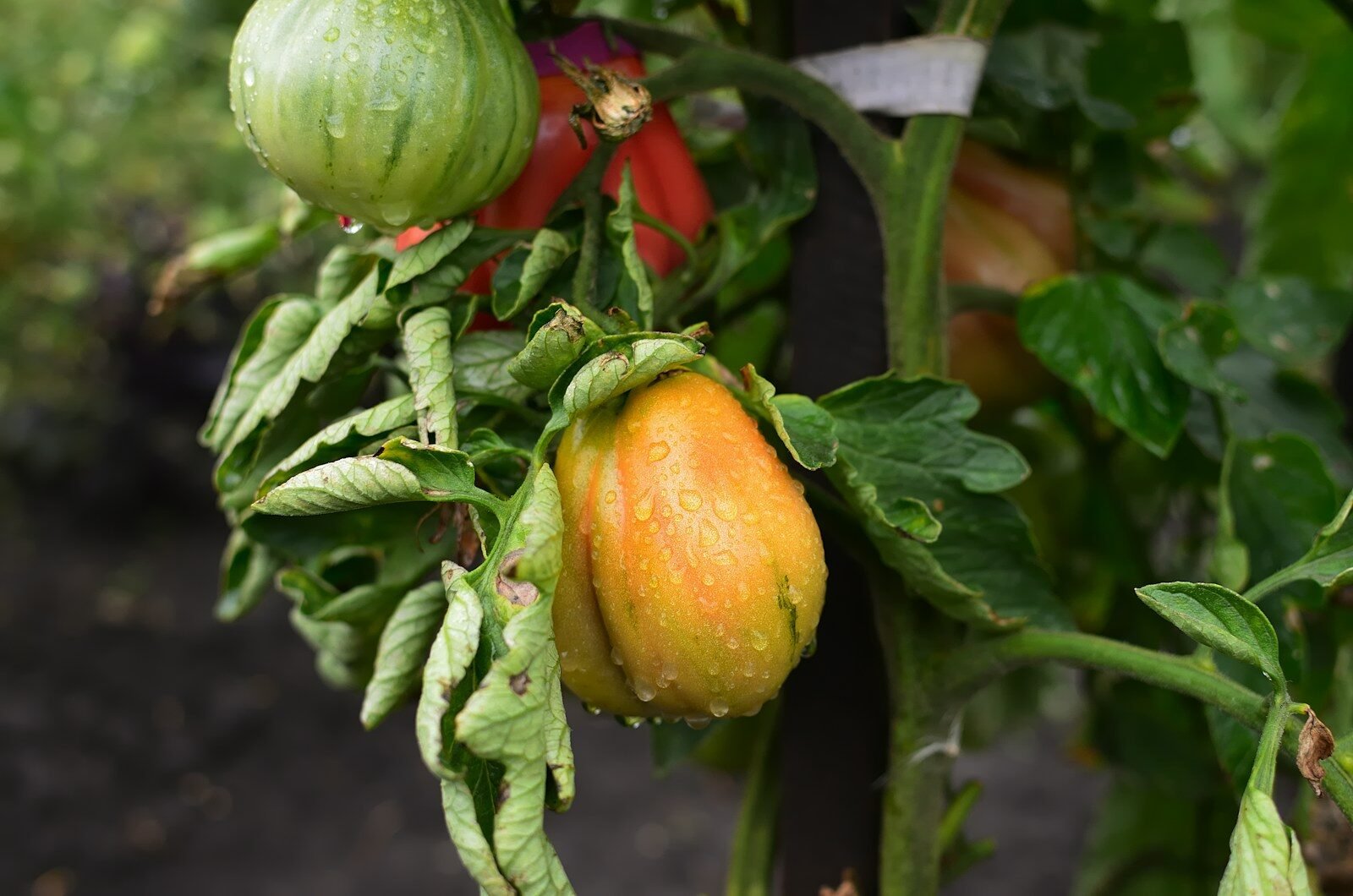
Introduction: Identify the Right Blight—Protect Your Tomatoes This Season
Confusing late blight vs early blight tomato differences can cost an entire harvest. The two diseases look alike at first glance, but they behave very differently and demand different responses. Correct diagnosis lets you act fast, choose the right fungicide class, and adjust irrigation or spacing before losses snowball.
This guide breaks down symptoms, weather triggers, spread speed, resistance labels, and scouting steps so you can protect plants in beds, containers, and greenhouses. For ongoing tomato disease updates, check our latest posts at Plant Doctoring feed.
Quick Summary: Early blight = target rings, slower spread; Late blight = water‑soaked, fast collapse, cool‑wet outbreaks
- Early blight (Alternaria): target-like concentric rings on older leaves, yellow halo, gradual lower-to-upper canopy movement.
- Late blight (Phytophthora): water-soaked, greasy lesions that expand rapidly; in humid mornings, white sporulation on lesion margins; whole plant may collapse.
- Speed: Early blight spreads steadily; late blight can explode within days during cool, wet weather.
- Weather: Early blight favors warm (75–85°F) with leaf wetness; late blight thrives in cool (60–75°F), cloudy, wet stretches.
Early Blight (Alternaria): Leaf, Stem, and Fruit Symptoms with Photo Cues
Early blight is caused by Alternaria solani. It typically starts on older, lower leaves as brown spots with concentric target rings and a yellow halo. Leaves yellow, then drop, exposing fruit to sunscald.
- Leaves: Round to irregular lesions; rings become more obvious as spots enlarge.
- Stems/petioles: Elongated, dark cankers that can girdle, causing dieback of attached leaflets.
- Fruit: Near the stem end, sunken, leathery spots with faint rings; usually firmer than late blight fruit lesions.
Progress is steady from the bottom up, especially after rain splash or overhead watering that moves spores from soil to leaves.
Late Blight (Phytophthora): Rapid Fire Symptoms, White Sporulation, Cool‑Wet Pattern
Late blight is caused by Phytophthora infestans. Look for irregular, water-soaked patches that look greasy and expand quickly. In humid mornings, check undersides for white, downy sporulation at lesion margins.
- Leaves: Large, gray-green to brown blotches; tissue collapses rapidly.
- Stems: Dark, firm lesions that girdle stems; entire shoots wilt and die.
- Fruit: Firm, brown, greasy rot that can engulf the fruit; surface may look dull or slightly metallic.
Outbreaks are explosive under cool, wet conditions with extended leaf wetness, fog, or frequent drizzle. Monitor regional alerts at USABlight.
Weather Triggers and Spread Speed: When Each Disease Explodes
- Early blight triggers: Warm days (75–85°F), dewy mornings, overhead irrigation, and soil splash. Progress is faster after storms but remains incremental as new leaves emerge.
- Late blight triggers: Cool (60–75°F), cloudy, wet periods with long leaf wetness (>10–12 hours). Spread can be landscape-scale via windborne sporangia, causing sudden canopy collapse.
Use hyperlocal forecasts and leaf-wetness trends to plan protective sprays and irrigation timing. For IPM weather-based decision-making, see UC IPM.
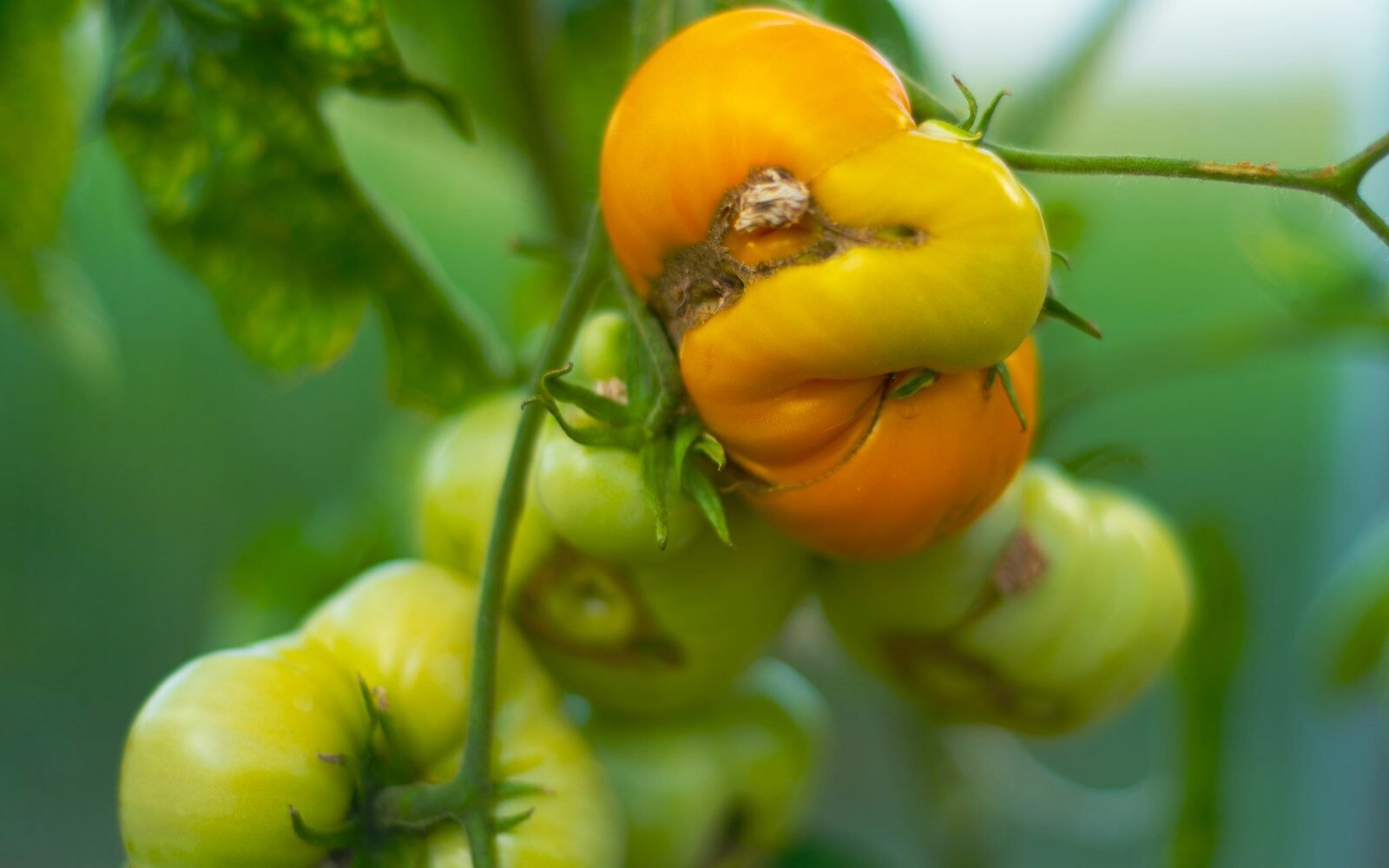
What to Do Next: Cultural Controls, Sanitation, Spacing, Irrigation Adjustments
- Prune lower leaves 8–12 inches above soil and stake/trellis to improve airflow.
- Mulch with clean straw or chips to reduce soil splash that spreads early blight.
- Irrigate at the base (drip or soaker). If overhead is unavoidable, water at dawn to shorten leaf wetness.
- Space plants generously (24–36 in. apart; wider in humid climates) and thin dense foliage.
- Sanitize tools, remove volunteer potatoes/tomatoes, and destroy cull piles that harbor inoculum.
- Remove heavily infected tissue. Bag and trash—do not compost late blight.
For more tomato cultural tips and seasonal diagnostics, browse our latest posts on the Plant Doctoring blog.
Resistance & Variety Choices for 2026: Labels, Codes, and What They Mean
Breeding advances continue. Look for labels like PhR or LB for late blight resistance and EB or notes for Alternaria tolerance. Examples often cited by seed vendors include ‘Defiant PhR’, ‘Mountain Magic’, and ‘Iron Lady’ (stacked resistances). Always confirm resistance claims in current seed catalogs.
- What codes mean: Vendor shorthand indicates resistance or tolerance; check footnotes for specific pathogen races.
- Limits: Resistance is not immunity—still follow sanitation and scouting.
- 2026 planning: Pre-order resistant transplants and diversify varieties to spread risk.
Cross-reference resistance notes with independent resources and extension trial data for your region.
Spray Strategies That Differ: Preventives, Intervals, and FRAC Rotation Basics
Both diseases respond best to preventive protection. Rotate modes of action (MOAs) by FRAC code to slow resistance.
- Early blight: Protectant fungicides (e.g., chlorothalonil, mancozeb) plus alternation with systemic/penetrant MOAs per label. Typical intervals: 7–10 days, tighten after storms.
- Late blight: Use proven late blight actives; begin before favorable weather or when regional alerts fire. Intervals often 5–7 days during cool-wet periods.
- Rotation: Avoid repeating the same FRAC group back-to-back; tank-mix or alternate per label.
- Read labels: Follow PHI/REI, adjuvant guidance, and local regulations. Home-garden options vary by state/country.
When in doubt, consult local extension recommendations and current product labels.
Season‑Long Scouting Calendar: Weekly Checks and Thresholds to Act
- Pre-plant (Weeks 0–2): Remove volunteers; sanitize stakes; install drip and mulch.
- Vegetative (Weekly): Inspect lower leaves for rings (EB) and any greasy patches (LB). Prune and record findings.
- Pre-bloom to fruit set: Begin preventive sprays if weather risk rises; photo-document suspicious spots.
- Peak season: After storms or cool-wet spells, re-check within 24–48 hours. Tighten intervals if any LB-like lesions appear.
- Thresholds: First confirmed lesion triggers sanitation and a labeled fungicide application; for LB, act the same day.
Store photos and notes to compare week-to-week trends and refine actions.
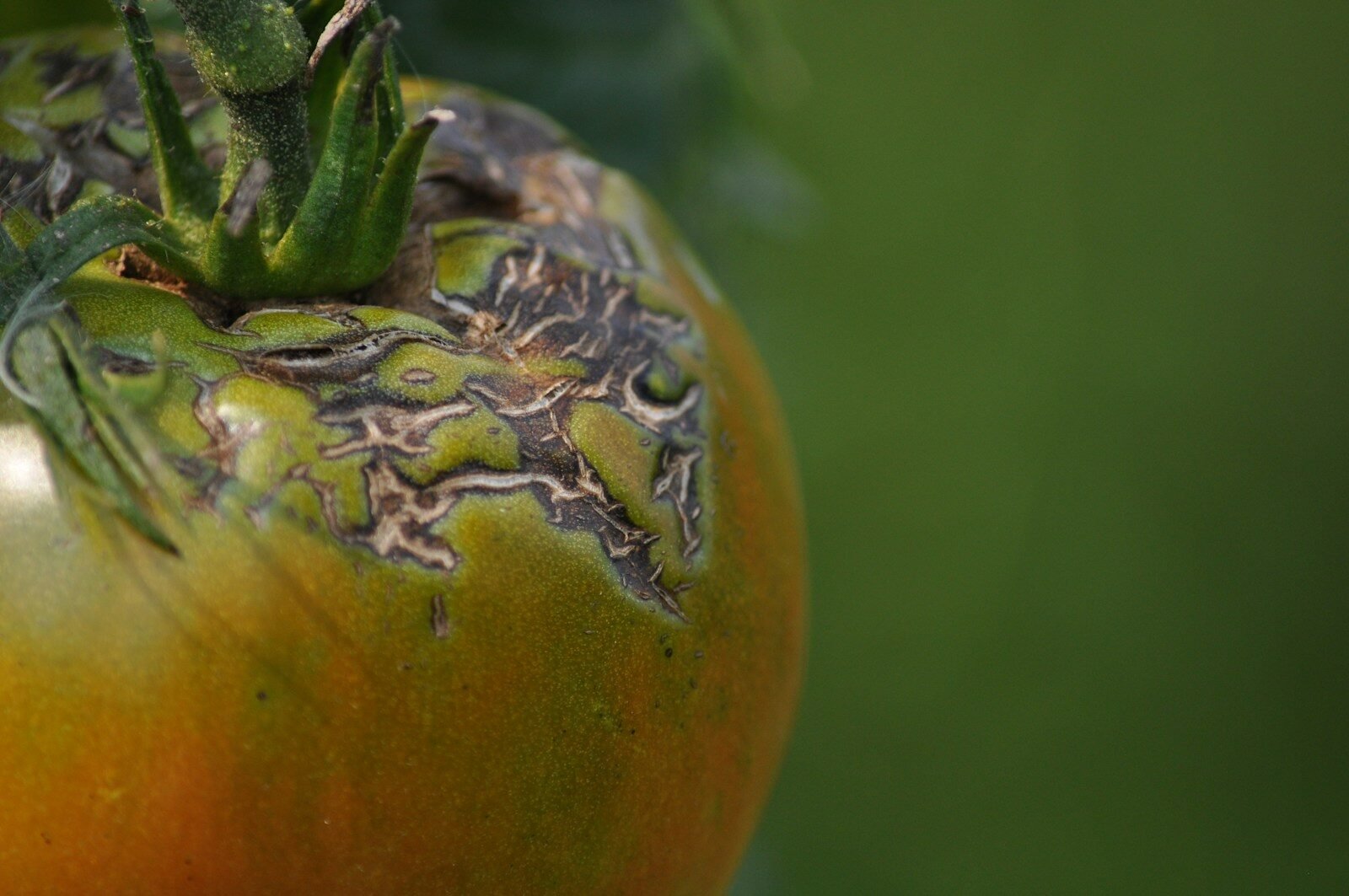
Conclusion: Diagnose Correctly, Intervene Early, Harvest More
Spotting the target rings of early blight versus the water-soaked flare of late blight is the fastest path to better decisions. Combine resistant varieties, clean irrigation, airflow, and FRAC-rotated sprays to stay ahead of risk windows.
Bookmark disease alerts, keep a simple scouting log, and act promptly at the first sign. The payoff is measurable: greener canopies, fewer losses, and more flavorful fruit at harvest.
FAQ: Can I eat affected fruit? Will mulching help? How far can spores travel? Greenhouse considerations? When to pull plants entirely?
Can I eat affected fruit? Early blight lesions are typically superficial—many gardeners cut 1–2 inches around spots and cook the remainder. Late blight fruit develops a firm, greasy rot; do not eat soft, moldy, or off-odor produce. When in doubt, discard.
Will mulching help? Yes. Mulch reduces soil splash, a key early blight vector. It also stabilizes soil moisture and lowers leaf wetness duration near the soil surface.
How far can spores travel? Early blight conidia typically move shorter distances via splash and wind nearby. Late blight sporangia can move miles on wind currents during outbreaks; monitor USABlight maps in season.
Greenhouse considerations? Vent early, run horizontal airflow fans, and heat briefly after irrigation to dry the canopy. Sanitize trays and avoid overhead watering late in the day. Scout near doors and evaporative pads where condensation lingers.
When to pull plants entirely? For late blight with active sporulation or >20–30% canopy collapse, remove immediately to protect neighbors. Bag and trash. For early blight with heavy defoliation, consider topping and removing worst plants to preserve airflow and redirect sprays to healthy rows.
For timely how-tos and seasonal tomato care, see our latest posts: Plant Doctoring – Recent Articles.