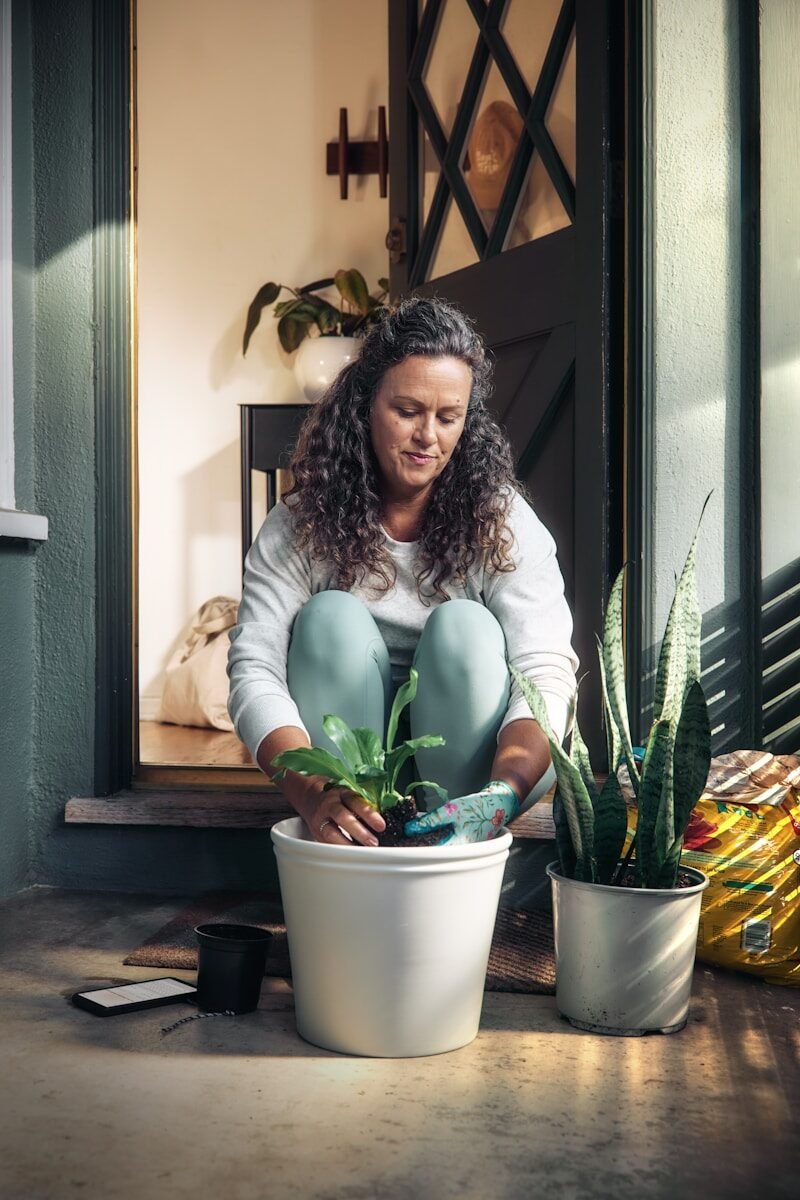
Introduction: Stop Guessing—Start Watering With Confidence
If you have ever wondered why one pothos thrives while another sulks, you are not alone. Overwatering and underwatering remain the top culprits behind sad houseplants. This guide compiles expert-grade moisture meter for indoor plants reviews to help you water with precision—no more guesswork, no more soggy roots.
We tested popular analog, digital, and Bluetooth probes across soil types, pot sizes, and plant categories to see what actually works. The goal is simple: choose a trustworthy tool, learn its quirks, and pair readings with real-world checks so your plants get exactly what they need.
Outcome: You will learn how meters work, where they fail, our 2026 testing results by category, and how to use any probe the right way for consistent, confident watering.
Quick Summary (TL;DR): Use meters as guides, verify with feel and pot weight, clean probes, and know when readings mislead
- Use meters as guides, not absolutes. Confirm with the finger test and by lifting the pot to gauge moisture by weight.
- Probe placement matters. Insert 2/3 the pot depth, sample in two to three spots, and avoid thick roots.
- Keep probes clean. Wipe oxidation and soil residue after each use; salts can skew readings.
- Know the weak spots. Coco-heavy mixes, LECA/pon, cold soil, and salty substrates can trick meters.
- Skip 3-in-1 gimmicks. Combined pH/light/moisture tools are usually less accurate at moisture than single-purpose probes.
- Pick for your setup. Analog is simple and dependable; digital adds clarity; Bluetooth shines for logging and large collections.
How Moisture Meters Work (and Their Limits): Electrical resistance basics, soil mix effects, salts, and calibration myths
Most consumer plant moisture meters measure electrical resistance between two metal probes. Water conducts electricity better than dry soil, so wetter mixes typically show lower resistance (higher conductivity) and a higher reading on your dial or display.
What changes the reading? Your substrate recipe (peat, perlite, bark, coco, pumice) alters conductivity. Fertilizer salts raise conductivity too, pushing readings higher even when the root zone is not truly wet. Temperature also matters—cold soil reads “wetter” because ion mobility drops unevenly.
Analog vs. digital: Analog meters translate resistance into a 1–10 scale via a coil and needle. Digital units sample the signal and display a number or bar. Neither tells actual volumetric water content; they give relative wetness based on electrical behavior.
Calibration myths: Most analog meters cannot be truly calibrated at home. A few offer a zero-adjust screw, but that only aligns the needle’s resting point—it does not standardize across substrates. Even many digital units provide only baseline normalization. In all cases, “calibration” is limited; rely on trend consistency and cross-checks instead of absolute numbers.
Heavy fertilization can mimic “wet” thanks to increased soil salinity. Rinse probes and, if needed, leach the pot to reset salts before trusting a borderline reading.
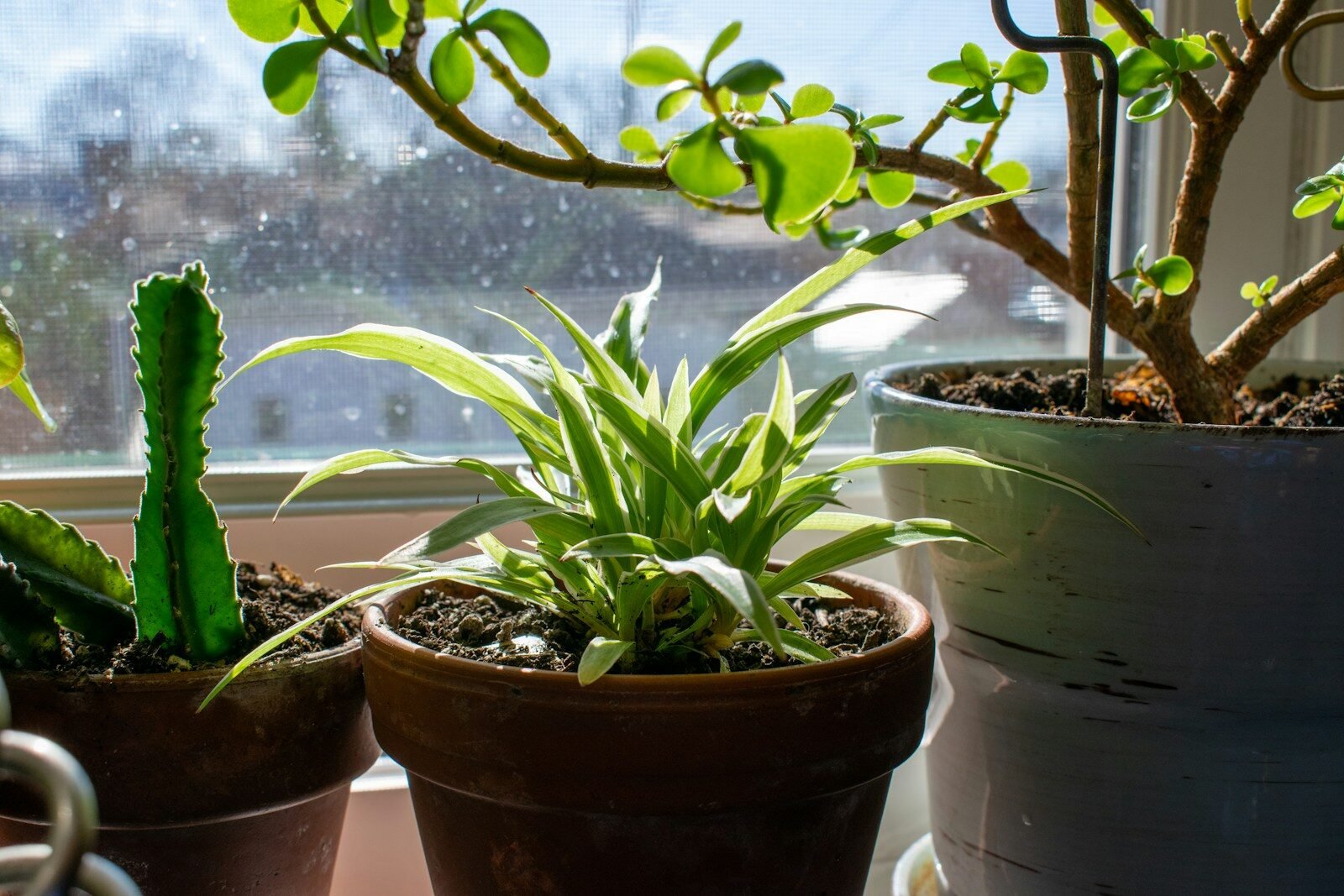
Our 2026 Testing Methodology: Pot sizes, substrates, plant types, repeat trials, and accuracy scoring
To produce fair, repeatable insights, we structured testing around real indoor conditions and rigorous controls. We prioritized consistency, clarity, build quality, and repeat accuracy over flashy features.
- Pot sizes: 3–4 inch nursery pots (starter plants), 6–8 inch decorative planters (common houseplants), and 10–12 inch floor pots (larger specimens).
- Substrates: Standard peat-perlite, aroid mix (bark/perlite/charcoal), coco-perlite blends, succulent-gritty mixes, and semi-hydro media (LECA/pon). Reference weight and oven-dry methods verified substrate moisture baselines.
- Plant types: Tropical foliage (monstera, pothos), ficus (fiddle-leaf), ferns, and drought-tolerant plants (snake plant, hoya, cactus).
- Repeat trials: Each meter tested across at least five dry-to-wet cycles per plant type, with multiple insertion points per pot to score variance.
- Cross-checks: Pot weight (digital scale), finger test at 2 inches, and wooden chopstick staining were used to validate root-zone moisture.
- Scoring: 40% repeat accuracy (does the same spot read the same), 25% clarity (legible scale, backlight), 20% build and probe durability, 10% cleaning and maintenance ease, 5% battery or power convenience.
We also tracked edge cases: cold windowsills, high-EC fertilizer regimes, terracotta vs. plastic, and deep vs. shallow roots. This allowed us to see where devices shine or struggle in the messy reality of indoor gardening.
Top Moisture Meters of 2026: Best Overall Analog, Best Digital Upgrade, Best Budget Pick, Best Bluetooth Smart Probe, What to Skip (3-in-1 gimmicks)
After hands-on trials and consistency checks, these categories rose to the top. Rather than chasing lab-calibrated absolutes, we prioritized tools that stay reliable across common indoor scenarios.
Best Overall Analog
Why it stands out: Simple, battery-free operation, long 7–8 inch probe for medium pots, clear 1–10 dial with colored wet/dry bands, and sturdy copper-zinc prongs that resist bending. Analog meters excel when you want a quick, no-fuss read across multiple pots.
- What to look for: A rigid probe shaft, easily readable dial, and a smooth needle response without jitter.
- Best for: Beginners to intermediates who want consistent guidance without app complexity.
- Examples found widely: Reputable analog models from common brands meet these criteria; check readability and probe rigidity first.
Best Digital Upgrade
Why it stands out: Backlit LCD with numeric scale, low-battery indicator, auto-off, and better low-light usability. Digitals help distinguish subtle differences around the “almost dry” threshold for sensitive plants like calatheas and ferns.
- What to look for: Replaceable battery, sealed probe electronics, and a well-documented scale (e.g., 0–10 or percent relative units).
- Best for: Growers who water at night or keep plants in dim corners and want clearer, repeatable numbers.
Best Budget Pick
Why it stands out: Under $12, lightweight, and accurate enough for routine checks. Budget analogs can be perfectly adequate if you learn their baseline and clean them regularly.
- What to look for: Firm probe that does not wobble, legible color zones, and a dial that returns to zero after removal.
- Best for: New plant parents and classroom/office setups where affordability and simplicity matter.
Best Bluetooth Smart Probe
Why it stands out: App-based logging, trend graphs, and notifications help large collections or travel schedules. Great for tracking dry-down curves in different pots.
- What to look for: Bluetooth LE, reliable app support, exportable data, and replaceable batteries. Verify app privacy and avoid paywalled features.
- Best for: Collectors managing many plants, or anyone optimizing watering windows with data.
What to Skip: 3-in-1 Gimmicks
Combo tools that claim moisture, pH, and light in one often underperform at the job you care about most: moisture. pH readings are rarely trustworthy on these devices, and the light sensor is too coarse for indoor use. Invest in a single-purpose moisture meter for better results.
For a mainstream perspective on categories and buying factors, see Forbes’ overview of soil moisture meters: Forbes guide.
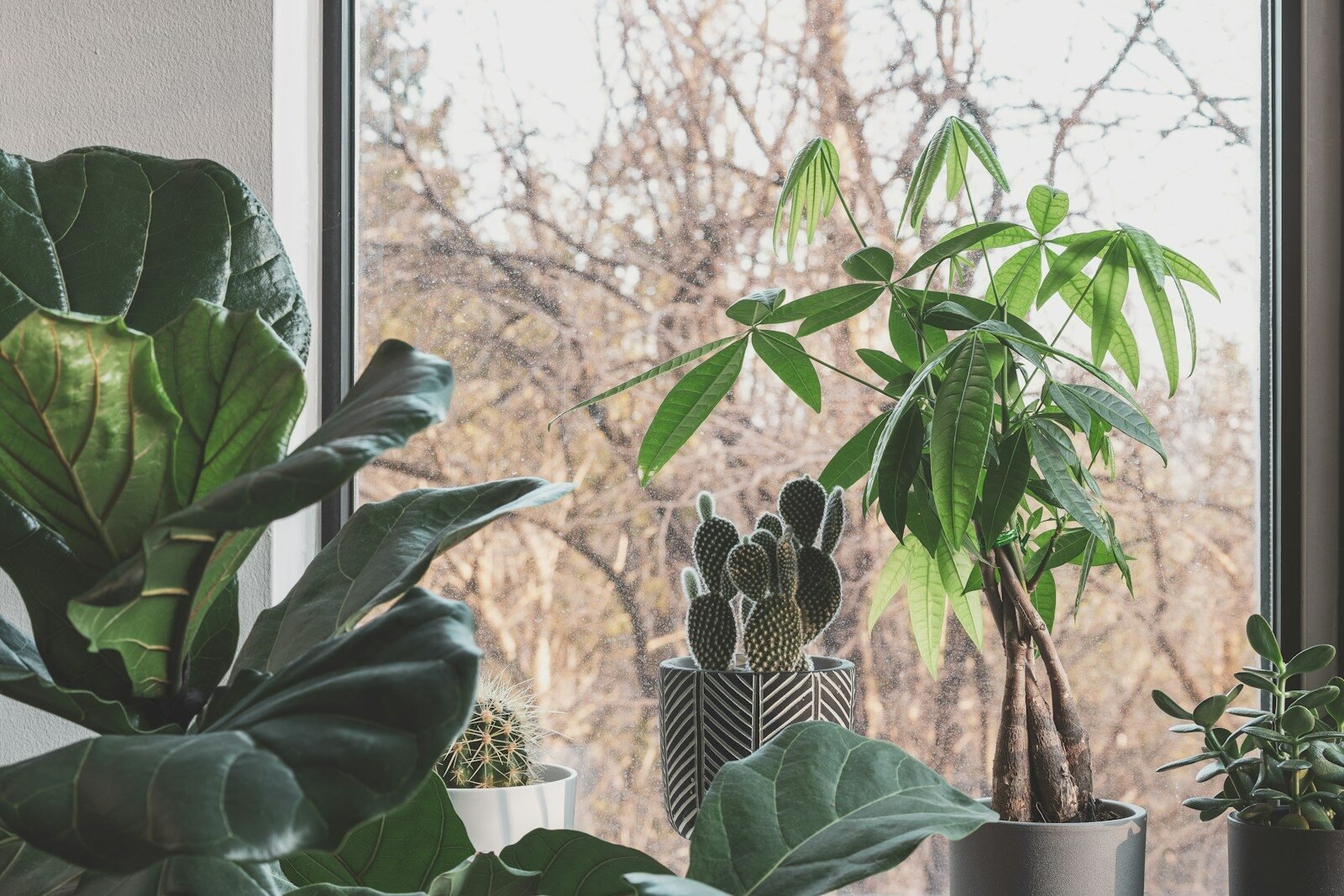
How to Use a Moisture Meter the Right Way: Probe depth, avoiding roots, multiple points, cleaning and storage
Even the best probe fails if you use it incorrectly. Follow these steps to get readings you can trust across pots and seasons.
- Insert to the root zone: Aim for two-thirds of the pot’s depth. For shallow-rooted plants, angle the probe to reach the active root area without hitting the crown.
- Avoid thick roots: Gently wiggle and adjust if you feel resistance. For woody roots (ficus), try a new spot.
- Sample multiple points: Take two to three readings per pot—center and near the rim—to capture uneven drying.
- Wait a moment: Let the needle or display stabilize for 3–10 seconds before you log the value.
- Confirm before watering: Cross-check with a finger test at 1–2 inches or lift the pot. Your hands are a powerful calibration tool.
- Clean after each use: Wipe probes with a soft cloth. If there’s mineral buildup, use a gentle scrub and rinse. Avoid harsh abrasives that remove plating.
- Store dry and upright: Do not leave the probe in wet soil long term. Store in a dry place to prevent corrosion.
Want a practical watering routine to pair with your meter? See these Plant Care Tips for building a weekly check cadence and species-specific notes.
When a Meter Misleads: Coco-heavy mixes, LECA/pon, terracotta vs. plastic, fertilizer salts, cold soil
- Coco-heavy mixes: Coco coir holds water and cations differently than peat. Meters can overestimate wetness shortly after watering and underestimate during mid-dry because moisture redistributes slowly. Confirm with pot weight.
- LECA/pon: Inert media like LECA do not conduct like soil. Many consumer meters struggle here—readings may appear dry even when roots are fine via wicking. Watch reservoir level and root sheen instead.
- Terracotta vs. plastic: Terracotta’s breathability speeds evaporation along pot walls, causing moisture gradients. Sample near the center and the edge; expect lower readings close to terracotta.
- Fertilizer salts: High EC from feeding or hard water can push meters into the “wet” zone without true saturation. Leach pots periodically and rinse probes to reset.
- Cold soil: Winter windowsills lead to sluggish ion movement and ambiguous reads. Warm the pot to room temperature or rely on pot weight before deciding to water.
Recognizing these patterns turns questionable numbers into actionable insights. If something feels off, default to physical checks and the plant’s signals (leaf turgor, curl, sheen).
No-Gadget Alternatives: Finger test, chopstick method, pot-weight training, scheduling frameworks
Moisture meters help, but you can water accurately without one—especially once you learn your substrate and container behavior.
- Finger test: Press to 1–2 inches. If it feels cool and crumbly, wait. If it smears and feels slick, it’s likely still wet.
- Chopstick method: Insert a clean wooden stick for 10–15 minutes. Dark, damp staining signals moisture at depth; a clean pull suggests dryness.
- Pot-weight training: Weigh a freshly watered pot and note the reading. Reweigh daily to learn your plant’s dry-down curve. Over time, a quick lift test is remarkably precise.
- Scheduling frameworks: Try “soak-and-dry” for succulents, a “top third dry” rule for aroids, and consistently moist (not wet) for ferns. Adjust for season, light, and pot material.
For step-by-step care routines that mesh with any method you choose, explore curated Plant Care Tips.

Conclusion: Pair a trustworthy meter with observation for precision watering year-round
Accurate watering is a skill, and a good meter is a helpful coach. The real magic happens when you combine a reliable reading with observation—leaf posture, pot weight, and your substrate’s drying rhythm.
Choose a device that fits your style, keep probes clean, and learn how your mix behaves in winter versus summer. That blend of tool plus attention ensures thriving plants, fewer fungus gnats, and far less root rot.
When in doubt, verify. Your plants will reward consistency more than any single gadget ever could.
FAQ: Are meters safe for roots? Can I calibrate analog meters? Do they work in LECA? How often to replace probes? What number means “water now”?
- Are moisture meters safe for roots? Yes, when used gently. Insert slowly and avoid obvious thick roots. If you feel resistance, choose a new angle. Do not store the probe in wet soil.
- Can I calibrate analog meters? True calibration is limited. Some have a zero-adjust screw, but it does not standardize readings across different mixes. Instead, learn what each reading means for your substrate by cross-checking with pot weight and feel.
- Do meters work in LECA or pon? Many consumer meters read inconsistently in semi-hydro because conductivity pathways differ from soil. Rely on reservoir levels, root condition, and media dryness feel; use a meter only as a secondary reference.
- How often should I replace or service probes? Wipe after every use. If oxidation builds, gently polish and rinse. Replace budget analog units every 1–3 years if readings drift or the probe loosens; digital and smart probes last longer with battery swaps and careful storage.
- What number means “water now”? There is no universal number. For many tropicals, water when the meter lands in the lower third of the scale; for succulents, wait until the needle is near the driest zone. Always confirm with pot weight and a quick feel test.
For more watering fundamentals, see university guidance on houseplant watering best practices: University of Minnesota Extension. And for a primer on how conductivity underpins meter readings, review this overview.