Introduction: Turn Dim Rooms Into Thriving Plant Corners
Low-light houseplants can survive on windowsills, but they truly thrive when you give them the right artificial light. If you have north-facing rooms, shaded apartments, or windowless offices, the best grow lights for low light houseplants provide a gentle, consistent boost that mimics forest understory light—bright enough for healthy photosynthesis, soft enough to keep foliage lush and compact.
This guide focuses on practical, 2026-ready solutions: how much light to deliver, which spectrum to choose, where to place fixtures, and which products offer the best value. You will learn how to measure light in PPFD, set photoperiods that work, and pick fixtures that blend into your decor while staying energy efficient and safe.
By the end, you will know exactly how to transform dim corners into vibrant plant displays—without harsh glare, wasted power, or overheating.
Quick Summary (TL;DR): Target 50–150+ PPFD for shade-tolerant plants, 12–14 hours daily, neutral-white full-spectrum LEDs with dimmer and timer
- Light intensity: Aim for 50–150 µmol·m⁻²·s⁻¹ (PPFD) at the leaf level for pothos, snake plant, ZZ, and most philodendrons. Use a PAR meter or a calibrated phone app for estimates.
- Duration: Run lights 12–14 hours daily for foliage plants; dim or raise the fixture to hit target PPFD.
- Spectrum: Choose neutral-white full-spectrum LEDs (4000–5000K) with high CRI (90+) for natural color rendering and balanced PAR.
- Controls: A dimmer and timer (or smart plug) are essential; sunrise/sunset ramping reduces plant stress and glare.
- Heat & safety: Prefer passively cooled bars/panels with aluminum heatsinks, UL/ETL safety marks, and low fan noise.
- Energy use: Expect 10–40 W per small display; verify real power draw and efficacy (µmol/J) over marketing wattage.
Bottom line: for the best grow lights for low light houseplants, a dimmable neutral-white bar or pendant delivering 50–150 PPFD for 12–14 hours is the sweet spot.
How to Choose a Grow Light in 2026: Spectrum, PPFD, wattage, coverage, dimming, heat, build quality
Great plant lighting balances intensity, duration, and spectrum without wasting energy. Here is what matters most in 2026:
- PPFD over PAR: Photosynthetic Photon Flux Density (PPFD) is the usable light reaching leaves. It is more actionable than lumens. See photosynthetically active radiation for context.
- Spectrum & color quality: Neutral-white (4000–5000K) with high CRI 90+ gives plants balanced red/blue while keeping your space pleasant and colors true.
- Real wattage & efficacy: Ignore “equivalent” watt claims. Look for actual power draw and efficacy (µmol/J). Efficient fixtures deliver more photons per watt and run cooler.
- Coverage & uniformity: Bar lights and slim panels spread light evenly, reducing hotspots and leggy growth. Request PPFD maps at relevant heights.
- Controls: Onboard dimmers and timers (or smart plugs) let you fine-tune to 50–150 PPFD and 12–14 hour photoperiods. Sunrise/sunset ramping is a bonus.
- Thermal design: Aluminum heatsinks and passive cooling extend LED lifespan and prevent leaf scorch. Active fans should be quiet (<30 dBA) if present.
- Build & safety: Look for UL/ETL listings, robust drivers, strain relief on cords, and solid mounting hardware. Check warranty (1–5 years) and support.
When in doubt, prioritize PPFD data, neutral-white spectrum, and a dimmer. These three deliver the biggest real-world gains for low-light houseplants.
Top Picks for Low-Light Plants in 2026: Best Overall Bar Light, Best Budget Clamp Lamp, Best Aesthetic Pendant, Best Shelf System, Best for Tall Floor Plants, Best Desk Mini Panel
Below are category winners based on PPFD delivery, spectrum quality, build, controls, and value. Use the specs as a shopping blueprint; compare against published PPFD maps and real wattage.
- Best Overall Bar Light: Slim 12–24 inch aluminum bar, 18–30 W, 4000–5000K, CRI 90+, 0–100% dimmer, included timer. At 12 inches, expect ~80–150 PPFD over 12×24 in area. Ideal for shelves and wall-mounted plant rails.
- Best Budget Clamp Lamp: E26 socket clamp with high-CRI LED A19 or BR30 bulb, 10–15 W, 4000K. Add a clip-on reflector and a plug-in timer. At 10–14 inches, target ~60–120 PPFD for pothos and ZZ. Affordable and flexible for renters.
- Best Aesthetic Pendant: Minimalist metal pendant, 15–25 W LED module, 4000–4500K, CRI 90+, dimmable driver. Hang 12–18 inches above plants to achieve ~70–130 PPFD while blending with decor—great for living rooms and dining nooks.
- Best Shelf System: Two or three 24–36 inch bars per shelf, each 15–25 W, linked with one timer. Uniform 70–120 PPFD across 36×12 in shelves at 10–12 inches. Cable management clips and diffusers included.
- Best for Tall Floor Plants: Adjustable gooseneck or pole light, 20–40 W, wide panel head, 0–100% dimmer, remote timer. Place 12–24 inches from upper canopy of snake plant or floor philodendron for 70–150 PPFD without glare.
- Best Desk Mini Panel: 6–12 inch square panel, 12–20 W, 4000–5000K, CRI 90+, passive cooling. At 8–12 inches, delivers 60–120 PPFD—perfect for a desktop pothos or compact philodendron.
Tip: Verify that the manufacturer provides PPFD maps at multiple heights and the real power draw. If not listed, ask support before you buy.
For ongoing plant care beyond lighting, see Plant Care Tips.
Setup & Distance Guides by Plant Type: Pothos, snake plant, ZZ, philodendron—heights and hours
Start dim and closer, then adjust after 10–14 days based on growth and leaf color. Use a PAR meter or a calibrated app to confirm targets.
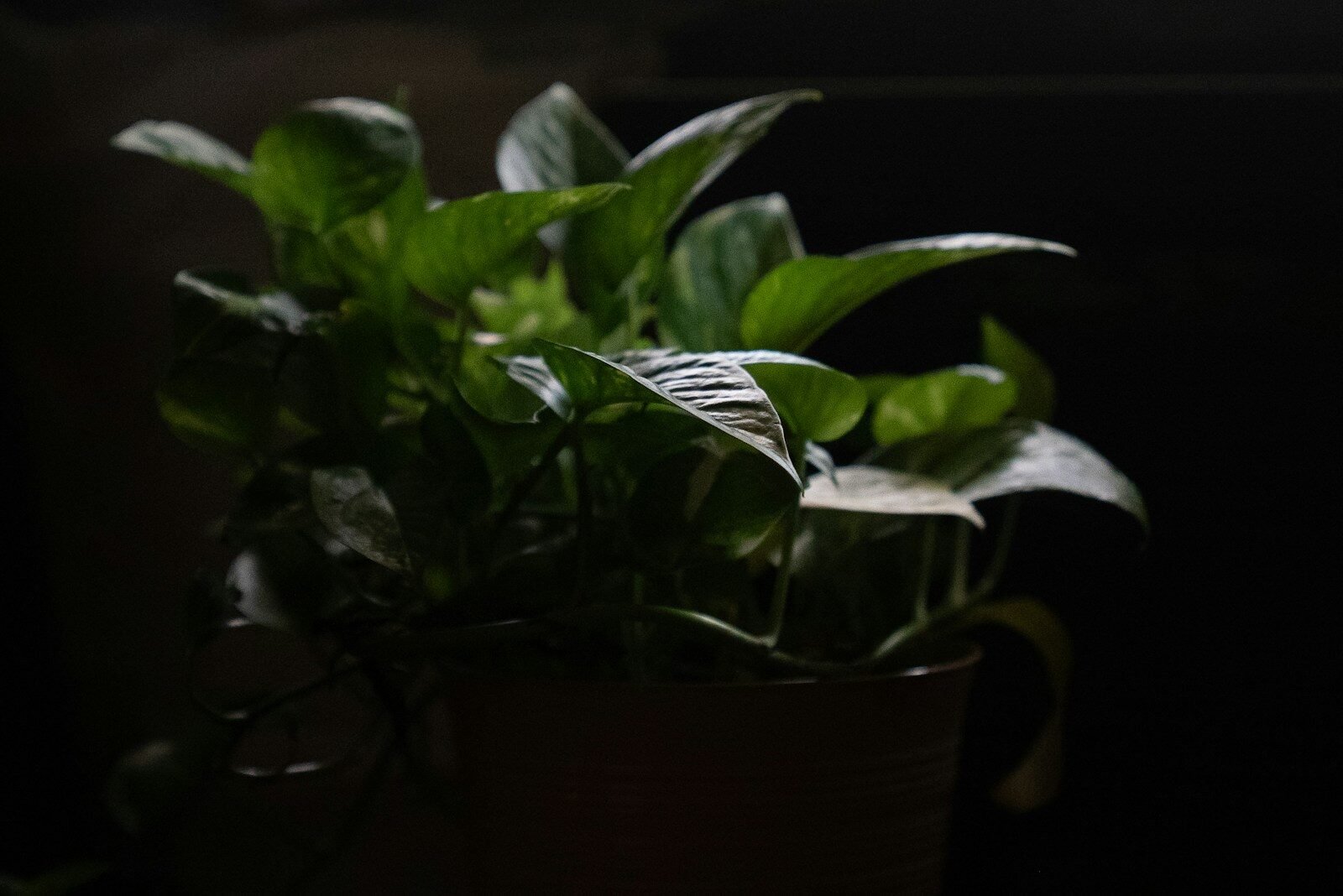
- Pothos (Epipremnum): 70–120 PPFD for compact, variegation-friendly growth. Place bar light 10–14 inches above trailing vines; run 12–14 hours. If leaves stretch, lower to 8–10 inches or increase dimmer by 10%.
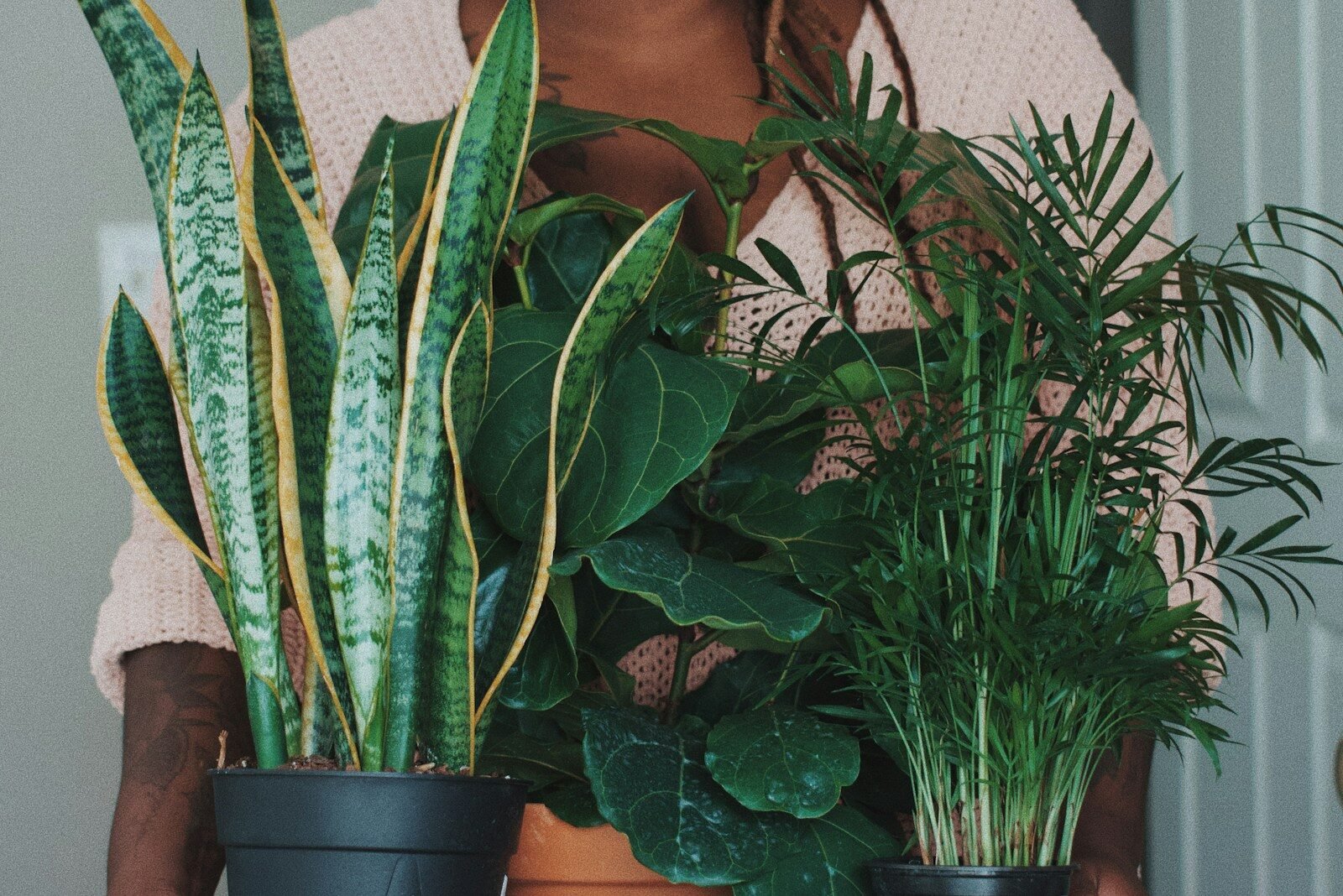
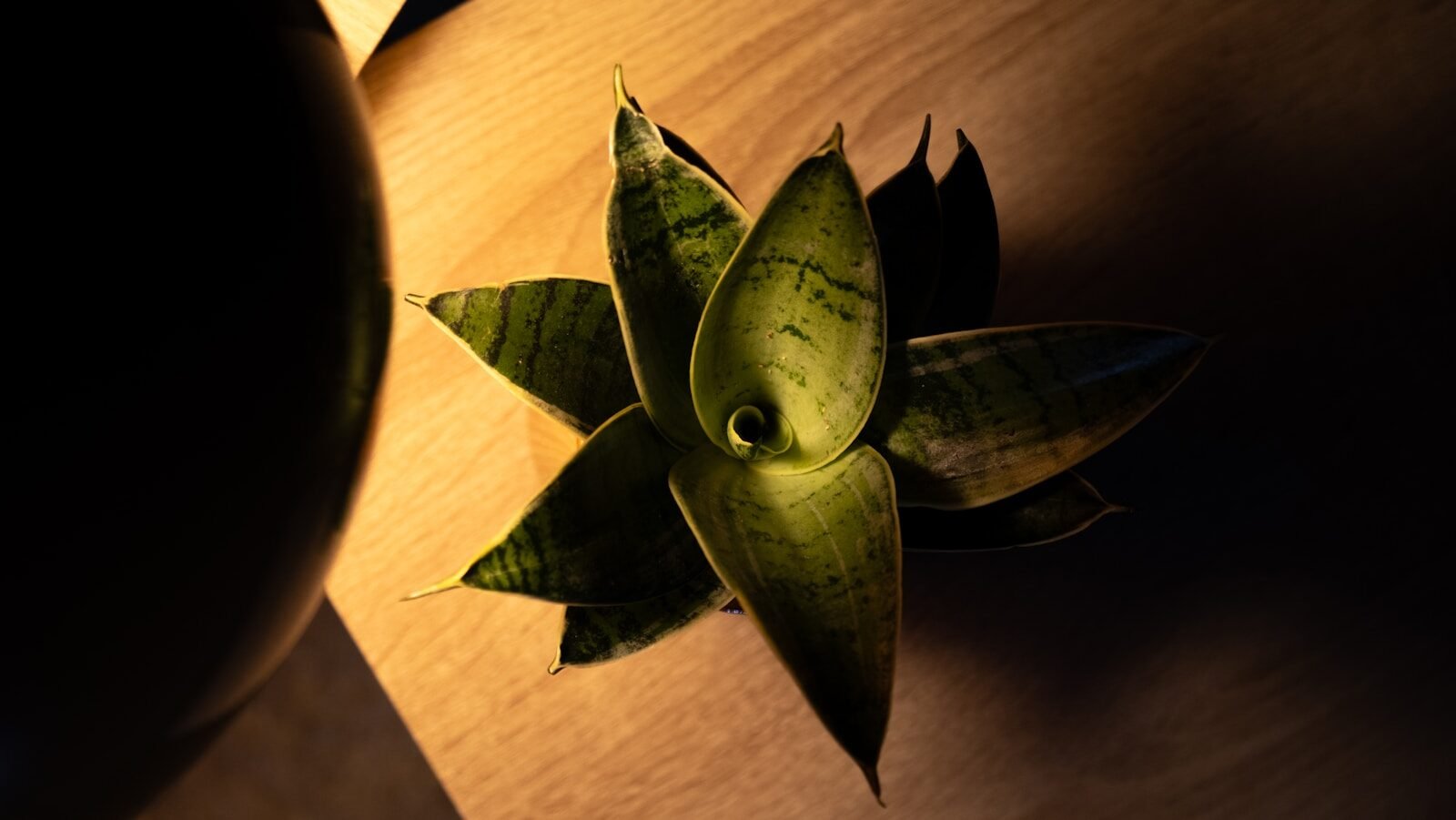
- Snake Plant (Sansevieria/Dracaena trifasciata): 60–100 PPFD. Keep light 12–18 inches away to avoid leaf yellowing. 12 hours is sufficient; during winter increase to 13–14 hours if growth slows.
- ZZ Plant (Zamioculcas zamiifolia): 50–90 PPFD. Very tolerant of low light; too much intensity can cause curling. Maintain 14–18 inches distance and 12–13 hours daily.
- Philodendron (heartleaf, micans, etc.): 80–140 PPFD. Aim for 10–12 inches under a dimmable bar or pendant. 12–14 hours. For climbing types, raise the light as the vine grows to keep the top nodes within range.
Signs you are close: rich green color, steady new leaves, short internodes. Signs you need adjustment: pale foliage (too much light), long gaps between leaves (too little), or heat stress (droop, crispy tips) if the fixture sits too close.
Photoperiods & Light Schedules: 12–14 hours for foliage, sunrise/sunset timers, seasonal tweaks
For shade-tolerant foliage, a long, gentle day is more important than intense mid-day peaks. Stable timing drives predictable growth and reduces stress.
- Standard schedule: 12–14 hours ON, 10–12 hours OFF. Example: 7:30 a.m.–9:00 p.m. with a 15–30 minute ramp up/down.
- Sunrise/sunset ramping: Use a dimmer with ramp modes or a smart plug to step brightness in small increments. Plants tolerate transitions better, and rooms look cozier.
- Seasonal tweaks: In winter, extend by 1 hour if natural daylight is minimal; in summer, shorten by 30–60 minutes if your room is bright.
- Rest periods: Keep a dark period nightly to support plant respiration. Avoid 24/7 lighting; continuous light can disrupt normal plant processes (photoperiodism).
Place timers where you will not be tempted to tinker daily. Consistency beats perfection for low-light species.
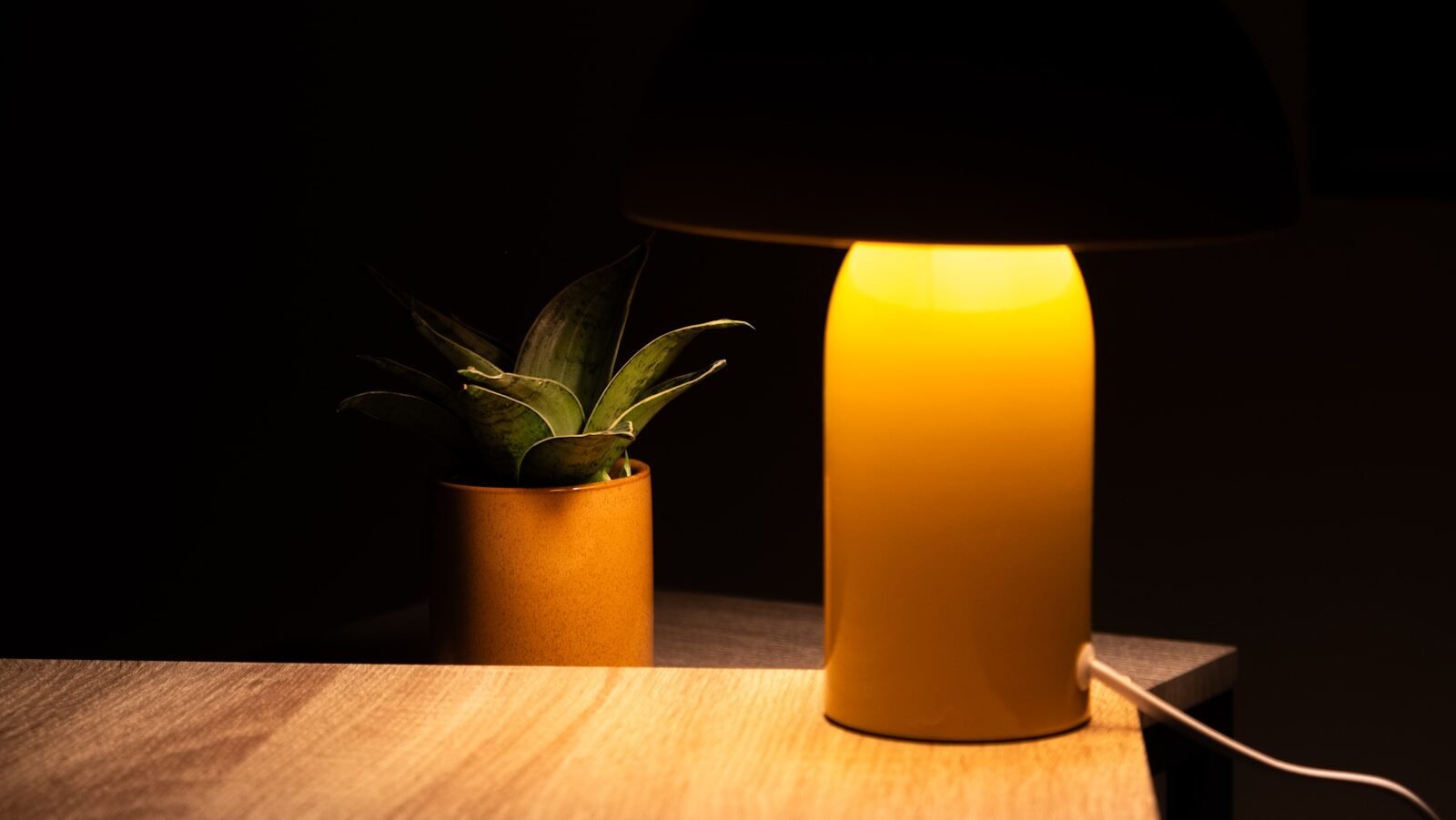
Safety, Energy Use, and Heat Management: UL/ETL listings, power draw, noise, and placement
Choose fixtures built for continuous use near plants. Look beyond marketing terms and confirm third-party certifications and real power data.
- Electrical safety: Prefer UL or ETL listed lights and drivers. Look for proper strain relief, insulated connectors, and secure mounts. Keep cords off wet surfaces.
- Heat management: Passive aluminum heatsinks are best for quiet, cool operation. Maintain at least 4–6 inches of airflow above and around fixtures.
- Noise: If using a fan-cooled unit, target <30 dBA. Hum or fan noise is unnecessary for low-power setups.
- Energy cost: Estimate monthly cost: watts × hours/day × 30 ÷ 1000 × $/kWh. Example: 20 W × 13 h × 30 ÷ 1000 × $0.20 ≈ $1.56/month. See Energy.gov on LEDs.
- Placement & splash risk: Keep a small gap from walls and avoid enclosed cabinets without ventilation. Use drip trays to prevent water exposure to cords.
Responsible setup protects your plants, your home, and your wallet.
Comparison Checklist: What to verify before you buy (PPFD maps, CRI, warranty, accessories)
- PPFD maps: Request readings at multiple heights over the intended coverage area (e.g., 12×24 in). Confirm you can achieve 50–150 PPFD.
- Spectrum & CRI: 4000–5000K neutral-white with CRI ≥90 for natural color and balanced PAR.
- Real wattage & efficacy: Published power draw and µmol/J. Beware of inflated “equivalent” watts.
- Dimming & timer: Built-in dimmer (0–100%) and either a physical timer or compatibility with smart plugs.
- Thermals & noise: Passive heatsink preferred; if fan-cooled, check noise specs.
- Build & safety: UL/ETL logos, quality driver, robust mounting hardware, cord length, and strain relief.
- Warranty & support: 1–5 year warranty, clear return policy, responsive support channel.
- Mounting flexibility: Clips, magnets, or brackets for shelves; adjustable cords for pendants; stable clamps for desks.
- Accessories: Diffusers, linking cables, and cable management improve uniformity and aesthetics.
- Reviews & documentation: Cross-check user photos and independent PPFD tests. A quick read on electricity costs helps plan budgets.
If a product hides PPFD maps or real wattage, keep looking.
Conclusion: The right light makes low-light plants flourish—choose once, enjoy for years
The best grow lights for low light houseplants are not the brightest; they are the most balanced. A neutral-white, high-CRI fixture with a dimmer and timer—set to deliver 50–150 PPFD for 12–14 hours—will keep pothos, snake plant, ZZ, and philodendrons thriving in any room.
Invest in quality once, verify PPFD, and mount thoughtfully. With even coverage, safe hardware, and consistent schedules, your dimmest corners can become your favorite green spaces for years.
FAQ: Can any LED bulb work? How far should lights be? Will lights fade furniture? How many watts do I need? Do red/blue lights outperform full-spectrum?
- Can any LED bulb work? Many can, if they provide enough PPFD. Choose 4000–5000K, CRI 90+, and confirm distance delivers 50–150 PPFD. BR30 floods in clamp lamps are great budget options.
- How far should lights be? Typically 8–18 inches, depending on fixture power and plant type. Use a PAR reading or start at 12 inches, monitor leaves, and adjust by 2–3 inches weekly.
- Will grow lights fade furniture? High-intensity, close placement can accelerate fading over time, similar to sun exposure. Use diffusers, angle lights away from fabrics, and keep moderate PPFD.
- How many watts do I need? For a small plant zone, 10–30 W is often enough if the fixture is efficient and close. Always prioritize PPFD at the leaves over wattage claims.
- Do red/blue lights outperform full-spectrum? Not for home use. While red/blue can be efficient, high-CRI neutral-white provides excellent growth, natural colors, and better visual comfort. See LED applications for context.
Need care beyond lighting? Explore Plant Care Tips for watering, soil, and pest advice.