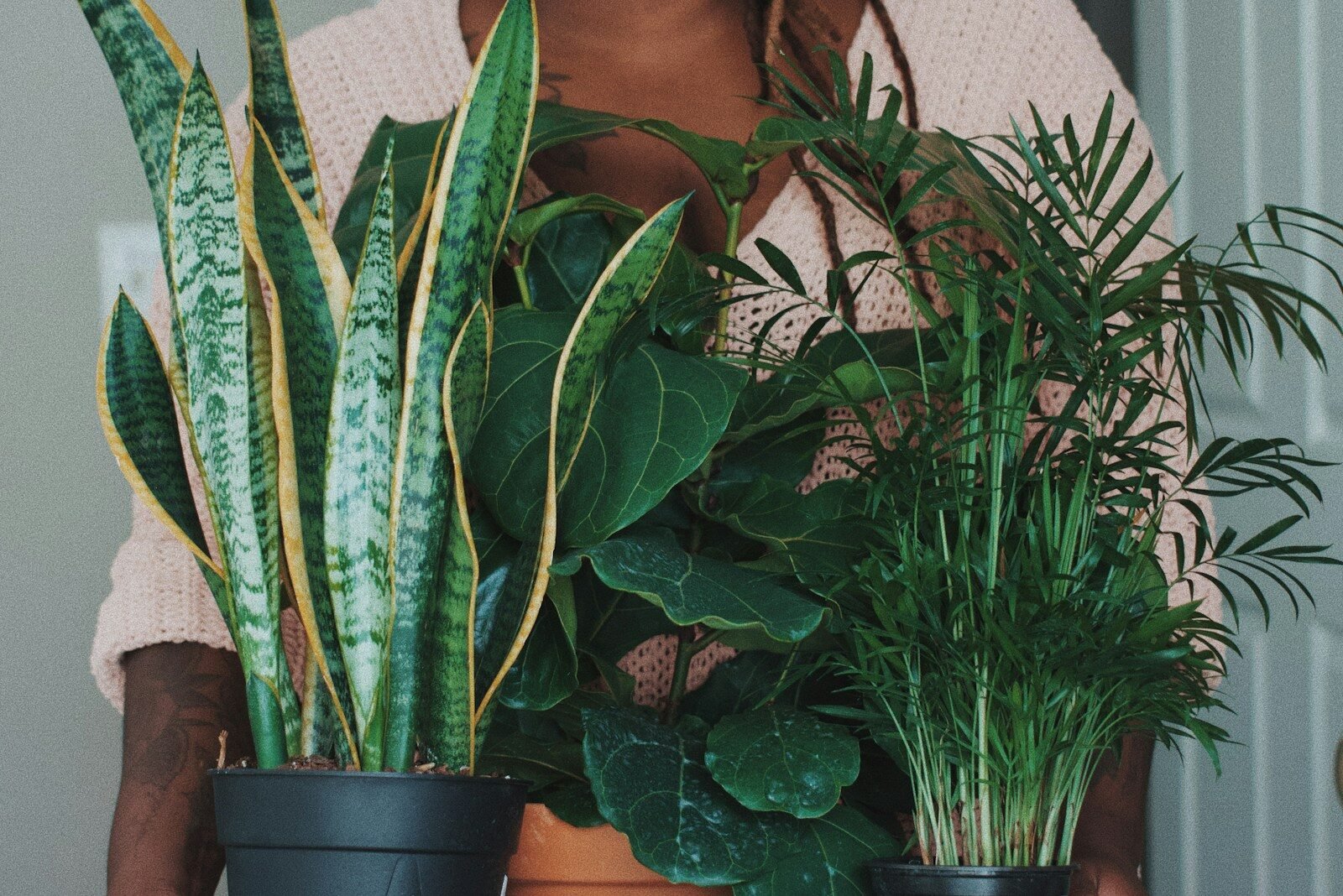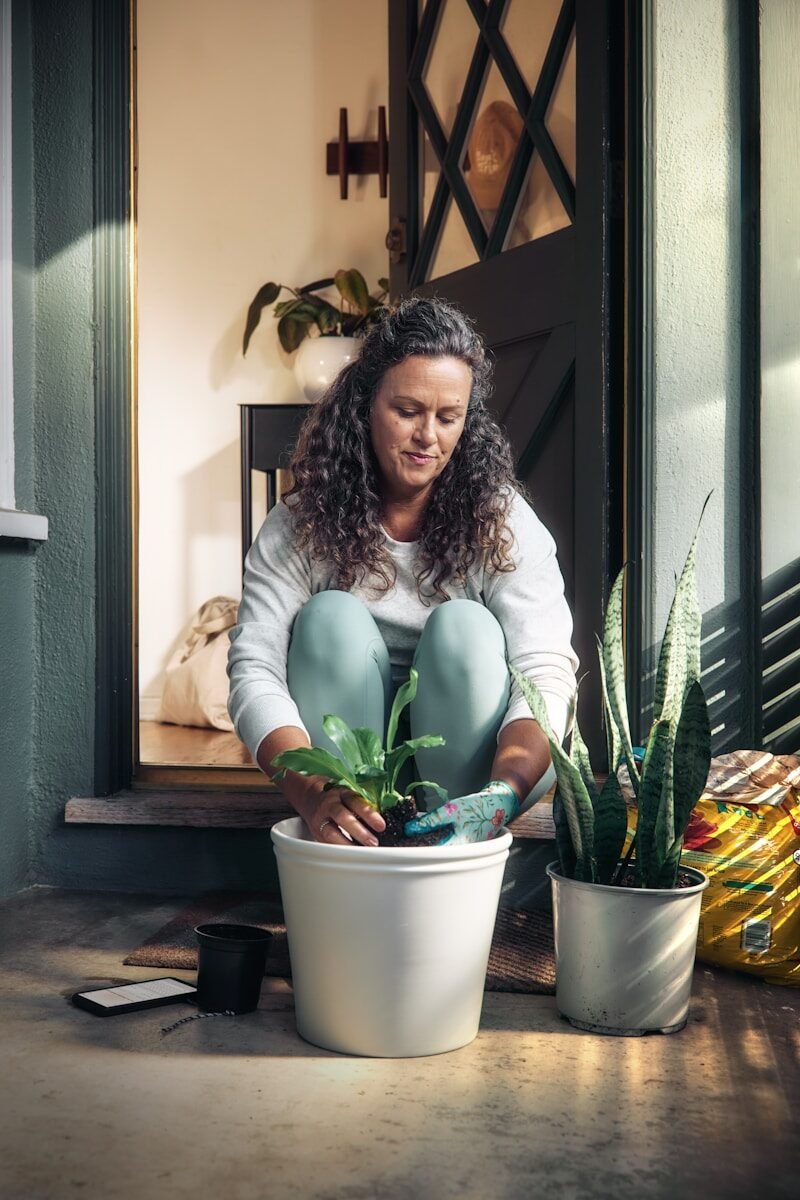
Introduction: The Seasonal Secret to Effortless Snake Plant Care
If you have ever wondered when to water snake plant by season, you are already ahead of most plant parents. Snake plants (Dracaena trifasciata, formerly Sansevieria) are drought-tolerant champions, but they thrive when watering mirrors the rhythms of spring growth, summer heat, autumn slowdown, and winter dormancy.
This guide translates plant science into a simple, seasonal watering plan tailored for real homes. You will learn practical intervals, how to test soil moisture accurately, and how pot type, light, and HVAC shift your schedule. Keep it dry, consistent, and seasonal—and your snake plant will reward you with firm, upright leaves and steady growth.
Quick Summary (TL;DR): Spring 2–3 weeks, Summer 2 weeks, Fall 3–4 weeks, Winter 4–6+ weeks—adjust for pot, soil, light, and home climate
Typical home baseline (65–75°F / 18–24°C, medium-bright indirect light):
- Spring: Water every 2–3 weeks as growth ramps up.
- Summer: Water about every 2 weeks (or when top 2–3 inches are dry).
- Fall: Stretch to every 3–4 weeks as days shorten.
- Winter: Reduce to every 4–6+ weeks; some plants go 8 weeks or more.
Adjust for:
- Pot & soil: Terracotta and gritty mixes dry faster; plastic and peat-heavy mixes hold moisture longer.
- Light: Brighter light = faster drying; low light = slower drying.
- Home climate: Heated or air-conditioned air dries soil faster; humid rooms slow it down.
- Plant size & crowding: Dense root balls drink faster; newly repotted plants drink slower.
Always confirm with a moisture check before you water.
How Snake Plants Store Water: CAM metabolism, rhizomes, and what that means for irrigation
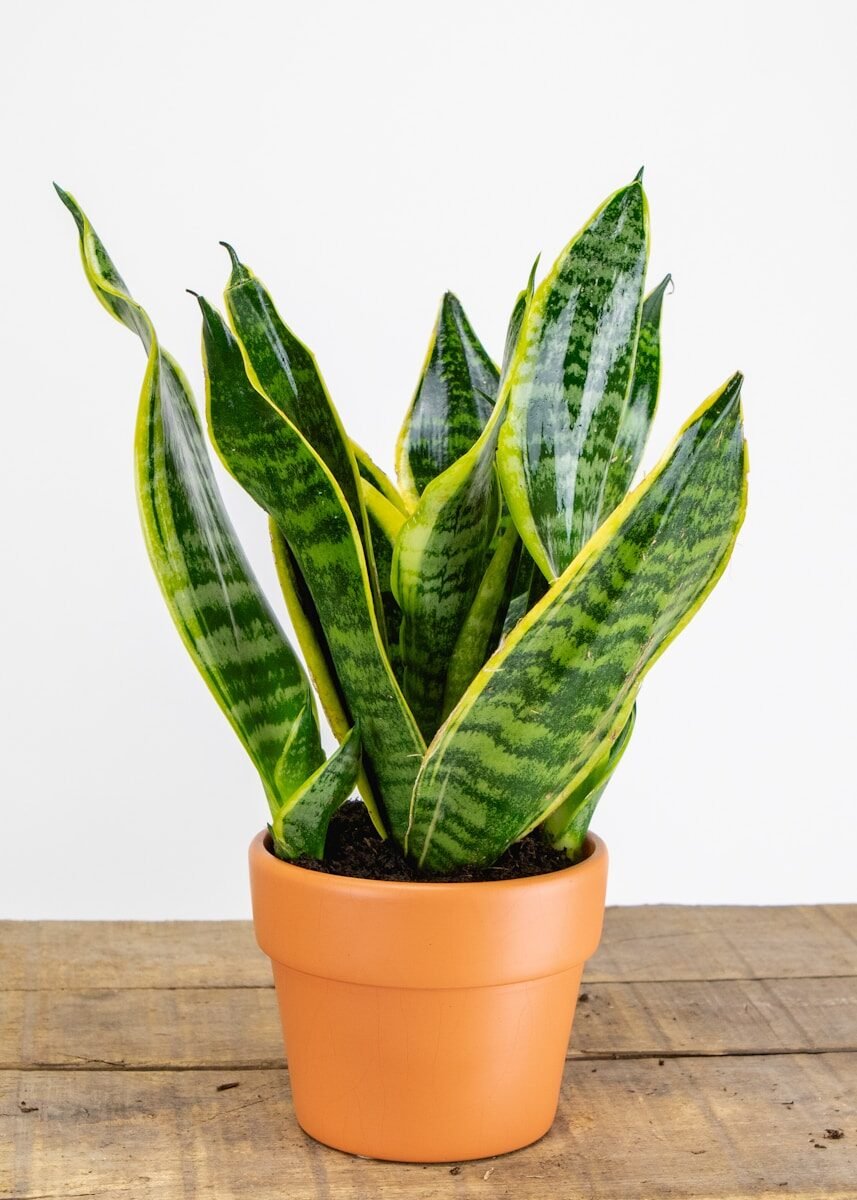
Snake plants are built for drought. Their thick, succulent leaves and underground rhizomes store water, while their photosynthesis strategy—CAM metabolism—lets them open stomata mostly at night to reduce daytime water loss.
This architecture means they prefer deep, infrequent watering over frequent sips. Saturate the root zone thoroughly, then allow the potting mix to dry most of the way before watering again. That cycle prevents root rot and keeps leaves firm.
For background on the plant itself, see Dracaena trifasciata, the botanical name for the snake plant.
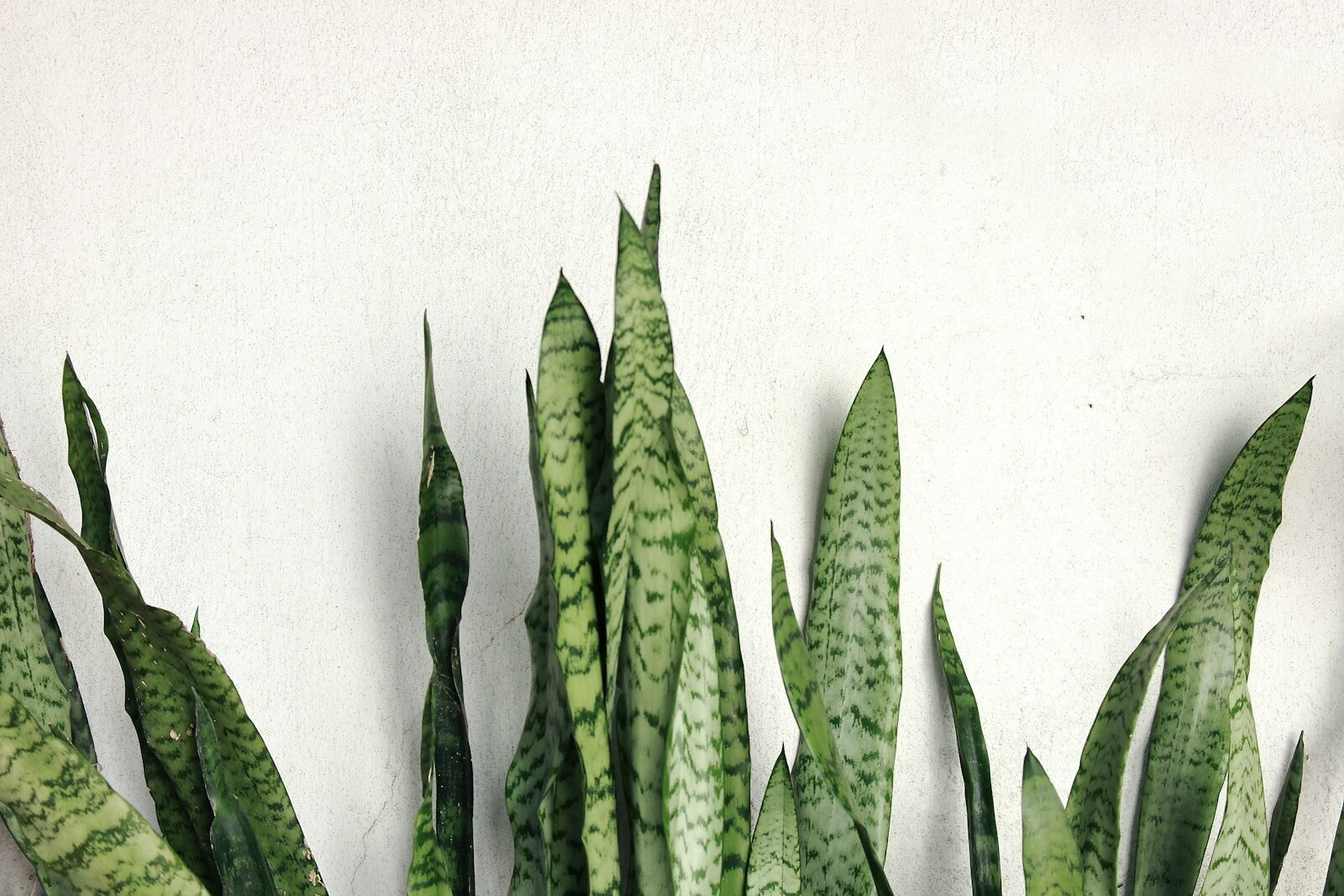
Seasonal Watering Cadence: Practical schedules for Spring, Summer, Fall, and Winter in typical homes
Spring (2–3 weeks): Days lengthen and growth resumes. Check soil weekly; water when the top 2–3 inches are dry. If your plant sits near a bright east or south window, expect the shorter end of the range.
Summer (about 2 weeks): Heat and light drive faster evaporation. In bright rooms or with a fan/AC running, you may water every 10–14 days. Always confirm dryness; do not water on the calendar alone.
Fall (3–4 weeks): Light wanes; growth slows. Extend intervals. Many plants are happiest on a 3–4 week cadence in fall if light is medium and temperatures are steady.
Winter (4–6+ weeks): Dormancy plus dry indoor air can be tricky. The top dries fast while the root zone stays cool and damp. Probe below the surface; do not water until the mix is mostly dry down to at least halfway. Some specimens go 6–8 weeks easily.
- Tip: In winter, slightly warmer water (room temperature) reduces stress on roots.
- Traveling? Water thoroughly just before you leave if the mix is dry. Snake plants tolerate drought much better than excess moisture.
Factors That Change Frequency: Pot size and material, soil mix, light intensity, HVAC and humidity, travel habits
- Pot size & depth: Large or deep pots hold more moisture; roots dry slower. Water less often, but still water thoroughly when you do.
- Pot material: Terracotta breathes and wicks moisture, speeding drying and reducing rot risk. Plastic/ceramic retain moisture longer; be conservative with watering.
- Soil mix: Fast-draining blends (50–70% coarse materials like perlite, pumice, bark) dry predictably. Peat-heavy, compact mixes stay soggy and raise rot risk.
- Light intensity: More light means faster growth and transpiration. Under grow lights or bright windows, expect shorter intervals; in low light, extend them.
- HVAC & humidity: Heating and air conditioning increase evaporation; humidifiers or bathrooms slow it. Drafts and fans also dry the mix faster.
- Plant maturity & crowding: Full, root-bound plants drink faster; freshly repotted plants with extra soil volume take longer to dry.
- Seasonal weather swings: Heatwaves compress intervals; gloomy, cool weeks extend them. Adjust in real time.
For general context on humidity and indoor air, resources like Wikipedia: Humidity offer helpful background.
How to Test Soil Moisture Accurately: Finger test, chopstick method, and interpreting moisture meters
- Finger test: Insert a clean finger 2–3 inches deep. If it feels cool or damp, wait. If it feels dry and the mix crumbles, it is time to water.
- Chopstick/skewer method: Push a wooden skewer to the pot bottom and leave for 10–15 minutes. If it emerges dark or with wet grit, hold off. If it is dry and clean, water thoroughly.
- Moisture meters: Probe at two or three depths and positions. Calibrate your expectations—sandy mixes may read lower; peat-heavy mixes higher. Focus on the lower half of the pot where roots live.
Be aware that cold water or fertilizer salts can skew readings. For context on sensing technology, see Soil moisture sensors.
Golden rule: Confirm dryness below the surface before watering, especially in fall and winter.
Watering Methods & Water Quality: Top vs. bottom watering, flushing salts, tap vs. filtered vs. rainwater
Top watering (preferred routine): Water slowly around the soil surface until excess drains. Discard saucer runoff after 5–10 minutes. This evenly wets the root zone and helps flush built-up salts.
Bottom watering (occasional rehydration): Set the pot in a tray of water for 20–45 minutes, then drain. Useful for very dry, hydrophobic mixes. Alternate with top watering to avoid salt accumulation.
Flush monthly: Every 1–2 months, run tepid water through the pot for 30–60 seconds to flush fertilizer salts, then allow to drain fully.
Water quality: Most tap water is fine. If your water is heavily chlorinated or contains chloramine, consider filtered or rainwater. Avoid softened water high in sodium. Letting water sit 12–24 hours dissipates chlorine (but not chloramine).
Stable water quality reduces leaf tip burn and supports root health over time.
Warning Signs and Fixes: Overwatered mushy leaves vs. underwatered wrinkles; root health checks
- Overwatered: Mushy or translucent leaves, yellowing, a sour smell, and loose roots. Fix: Unpot, trim brown/mushy roots, dust cuts with cinnamon or a fungicide, and repot into a fresh, fast-draining mix. Do not water for 5–7 days; then resume conservative watering.
- Underwatered: Wrinkled, folding, or curling leaves; very light pot weight. Fix: Bottom-water for 30–45 minutes to rehydrate, then return to a deep-but-infrequent schedule.
- Salt/fertilizer stress: Crispy tips and white crust on soil. Fix: Flush thoroughly and reduce fertilizer to quarter-strength in spring/summer only.
Root health check: Healthy roots are white to tan and firm. Dark, mushy, or hollow roots indicate rot; trim back to healthy tissue.
For general houseplant care trends and pitfalls, you can browse consumer guidance on sites like Forbes Home Gardening for additional context.
If you want a simple, repeatable system, check out Plant Care Tips. You will find step-by-step watering routines, printable seasonal checklists, and troubleshooting charts tailored to snake plants and other drought-tolerant species.
- Set your spring, summer, fall, and winter reminders.
- Customize intervals for pot type, soil blend, and light.
- Use moisture testing templates to avoid guesswork.
Pairing this guide with a structured routine helps you stay consistent without overthinking.
Conclusion: Keep it dry, consistent, and seasonal; explore Plant Care Tips for a simple system that sticks
Mastering when to water snake plant by season is about syncing with growth cycles and your home’s environment. Water deeply, wait for a thorough dry-down, then repeat on a cadence that shifts from 2 weeks in summer to 4–6+ weeks in winter.
Use moisture checks, favor well-draining soil, and let pot type and light guide your adjustments. For turn-key schedules and checklists, explore Plant Care Tips and build a simple system that sticks.
FAQ: How often should I water in winter apartments? Is terracotta better? Can grow lights change my schedule? What about crowded pots? Do variegated snake plants need different care?
How often should I water in winter apartments?
Most winter apartments are warm and dry near vents but cool near windows. Probe below the surface. Many snake plants do best at every 4–6+ weeks. If the pot sits away from drafts and light is low, stretch toward 6–8 weeks.
Is terracotta better?
For beginners, yes. Terracotta breathes, reducing stagnation and making timing more forgiving. Expect slightly shorter intervals because it wicks moisture; confirm with a chopstick test.
Can grow lights change my schedule?
Absolutely. Consistent, bright LED grow lights extend the active season and shorten intervals (often to spring-like 2–3 weeks year-round). Raise the light or shorten the daily photoperiod if the mix dries too quickly.
What about crowded pots?
Root-bound snake plants drink faster and often enjoy slightly more frequent watering (e.g., from 3–4 weeks down to 2–3 in spring/summer). Still ensure full drainage. When growth slows or leaves distort, upsize the pot only one size.
Do variegated snake plants need different care?
Variegated cultivars have less chlorophyll and may grow slower in low light. Give them brighter indirect light and be cautious: slower growth means longer drying times, so do not overwater.
For background reading on plant physiology and water use, transpiration and CAM resources are helpful. Marketers might appreciate how seasonality affects routines—see scheduling concepts in HubSpot’s calendar guides as an analogy for planning plant care.