
Introduction: The two most trusted DIY aphid controls—when to choose which
If you’re staring at curling leaves and sticky honeydew, you’re probably debating neem oil vs insecticidal soap for aphids. Both are go-to, low-toxicity options in home gardens and indoor jungles. The trick is knowing when each shines so you clear infestations faster with fewer sprays.
Below, you’ll find a quick comparison, practical mixing ratios, and a decision checklist. We’ll also cover safety, residue, and what to use on tender growth or edible crops. For more pest-specific help, browse our pest library.
Quick Summary: Fast comparison of efficacy, safety, and best-use scenarios
- Fastest knockdown: Insecticidal soap. It bursts aphid cell membranes on contact and works within hours.
- Broader suppression: Neem oil (clarified hydrophobic extract) smothers on contact and can slightly deter feeding after spray dries.
- Residue: Soap leaves virtually no residue. Neem can leave a thin film and mild scent.
- Safety on edibles: Both are usually allowed close to harvest; many labels list 0-day PHI. Always follow your product label.
- Best use cases: Soap for quick indoor or tender-leaf fixes; neem oil for outdoor plants, mixed pests, and when you can spray at dusk.
- Pollinators & beneficials: Both are safest when sprayed at dusk and kept off blooms. Avoid direct hits on lady beetles, lacewings, and bees.
Short answer to “neem oil vs insecticidal soap for aphids”: choose soap for immediate control and neem when you want a slightly longer suppressive effect and better rain-fastness.
How They Work: Modes of action, contact requirements, and residue considerations
Insecticidal soap is a potassium salt of fatty acids that dissolves the protective wax and disrupts cell membranes of soft-bodied insects. It must touch the aphids to work and stops when it dries. No meaningful residual activity.
Neem oil (especially clarified hydrophobic extract) coats pests and clogs spiracles, smothering them. Cold-pressed neem may also include small amounts of azadirachtin, an antifeedant and growth regulator. Residue can slightly suppress re-infestation but is not a true systemic.
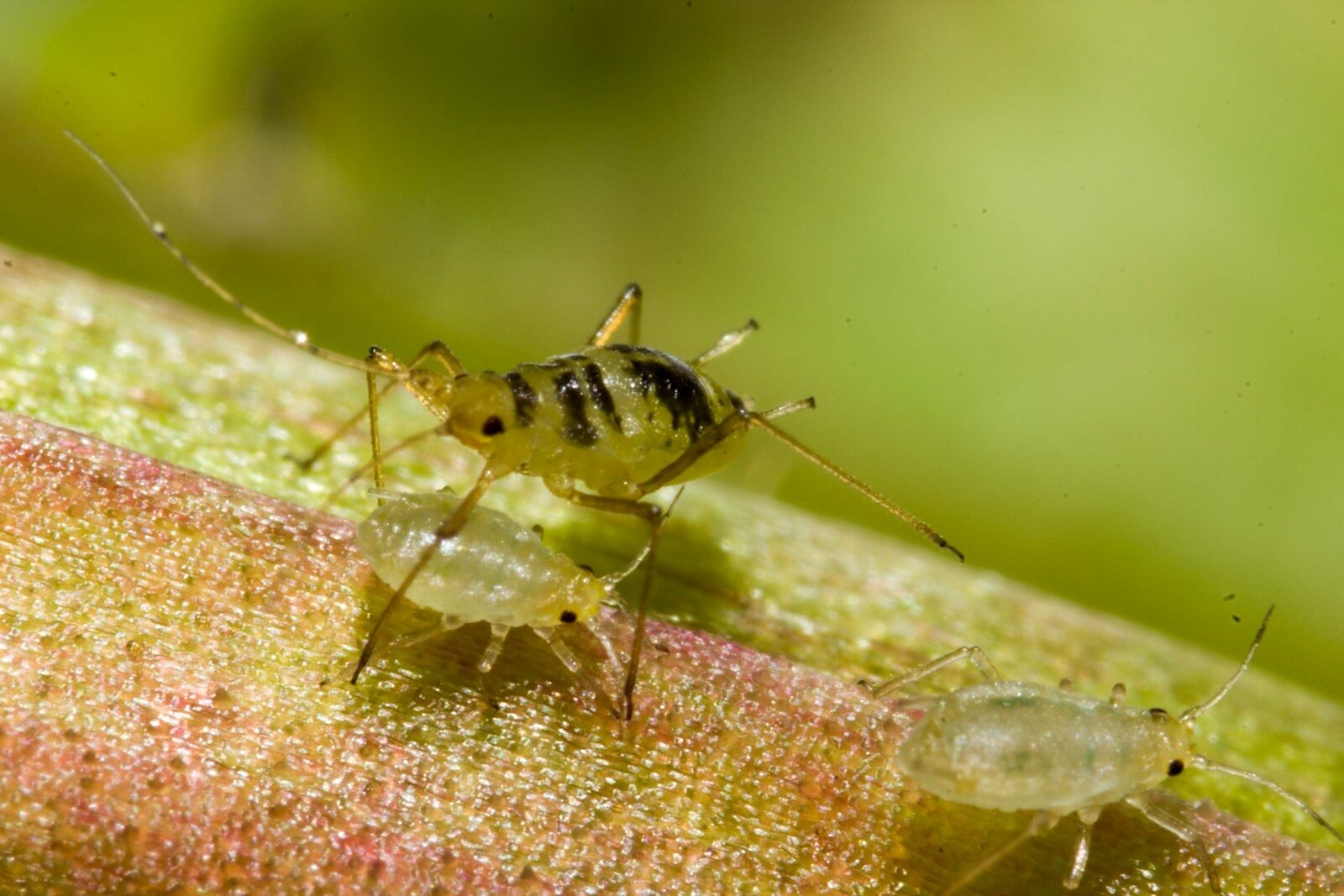
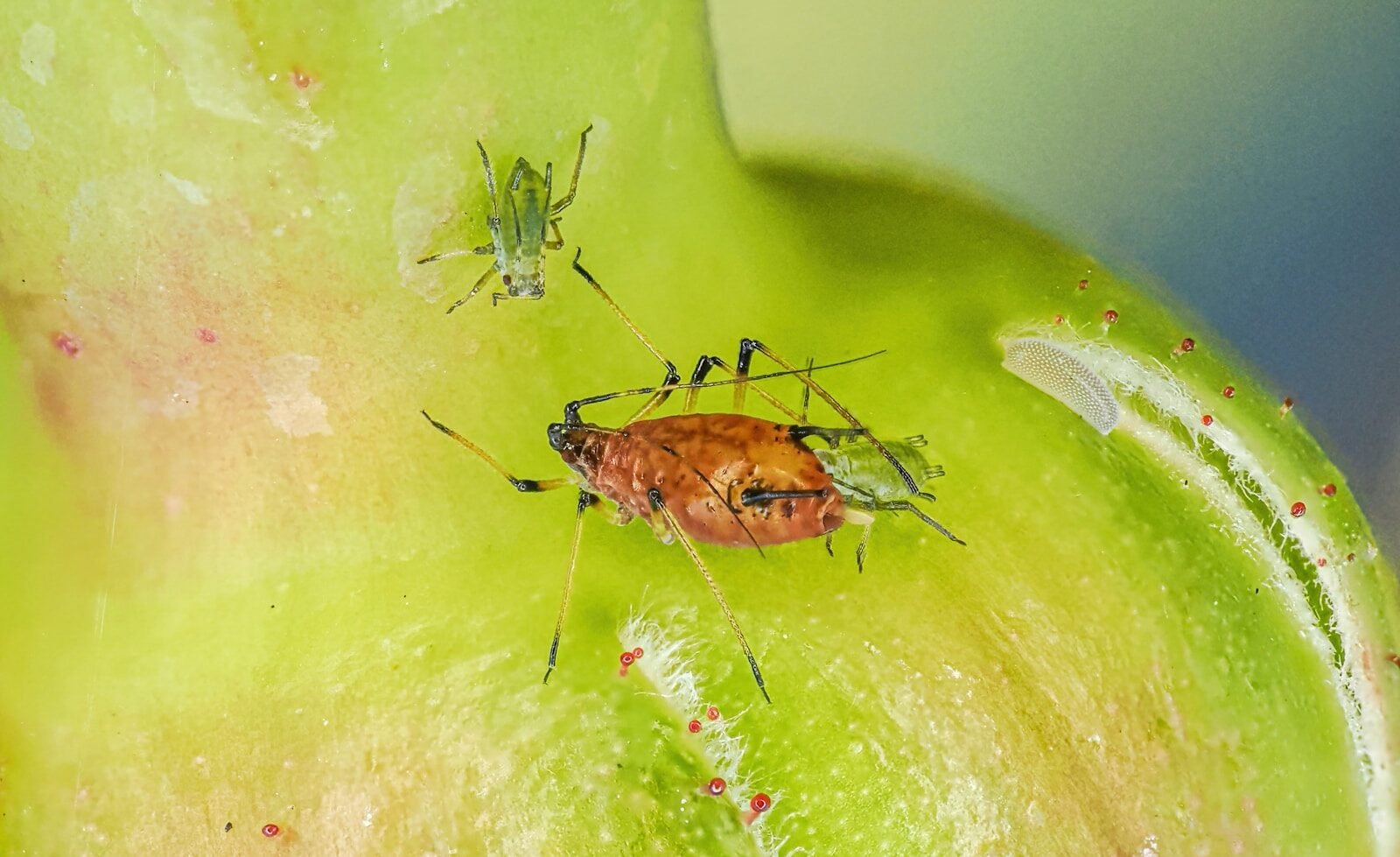
Because both are contact-first, coverage matters — spray leaf undersides where aphids hide. For background, see insecticidal soap and neem oil on Wikipedia.
Performance by Situation: Edibles, ornamentals, indoor plants, and tender growth
- Edible gardens: Both products are widely used on herbs, greens, and fruiting crops. Soap excels for pre-harvest cleanups. Neem helps when weather allows dusk sprays and you want slightly longer suppression. Confirm your product’s PHI and REI.
- Ornamentals (roses, perennials): Neem provides better rain resistance and mild shine on foliage. Soap gives rapid knockdown ahead of a garden event or photo day.
- Indoor plants: Use soap first for low odor and minimal residue. Repeat every 3–4 days until aphids are gone. Reserve neem for stubborn cases and provide ventilation.
- Tender growth & sensitive species: New leaves, ferns, succulents, African violets, and blue/grey glaucous foliage can be phytotoxicity-prone. Spot-test either product on a few leaves and wait 24–48 hours.
For plant-by-plant troubleshooting, check our aphid control tips and related pest guides.
Mixing & Application: Dilution basics, coverage technique, timing, and reapplication
Always read and follow your product label. Labels vary by brand and plant type. The ranges below are common home-garden starting points.
- Insecticidal soap dilution: 1–2% solution (about 1.25–2.5 tbsp per gallon of water). For ready-to-use, spray to glisten, not drip.
- Neem oil dilution: 0.5–1% for sensitive plants; up to 2% for sturdy outdoor foliage (about 1–2.5 tbsp per gallon). Agitate frequently to keep oil emulsified.
- Coverage: Thoroughly wet leaf undersides, growing tips, and colonies. Re-apply in 3–7 days as eggs hatch.
- Timing: Spray at dusk or dawn to reduce leaf burn and protect pollinators. Avoid full sun and heat.
- Temperature window: Ideal is 50–85°F (10–29°C). Avoid spraying stressed plants or during heat waves or frost risk.
Two pro tips: rinse sticky honeydew off first with a sharp water blast, then spray; and rotate products week-to-week to lower phytotoxicity risk.
Pros and Cons: Phytotoxicity risks, smell, staining, and pollinator safety
- Insecticidal Soap – Pros: Fast knockdown, minimal residue, low odor, excellent for indoor plants and pre-harvest sprays.
- Insecticidal Soap – Cons: Must hit pests directly; can spot-burn tender or glaucous leaves; less rain-fast; repeated sprays often required.
- Neem Oil – Pros: Smothers aphids and offers mild residual suppression; sticks better outdoors; can help with other soft-bodied pests.
- Neem Oil – Cons: Distinct smell, light residue/shine, higher phytotoxicity risk in heat or on sensitive plants; can stain porous surfaces.
- Pollinator & beneficial safety: Both can harm non-targets on contact. Minimize risk by spraying at dusk, avoiding blooms, and targeting only infested tissue. See UC IPM and Xerces Society guidance.
Rotation & Alternatives: Oils, horticultural soaps, spinosad, and cultural controls
- Rotate soap and neem week-to-week to reduce leaf stress and keep aphids off balance.
- Horticultural oil: Lightweight mineral or plant-based oils can smother aphids similar to neem; follow temperature limits carefully.
- Spinosad: A fermentation-derived insecticide effective on many chewing pests; less consistent on aphids. Reserve for mixed infestations and follow label.
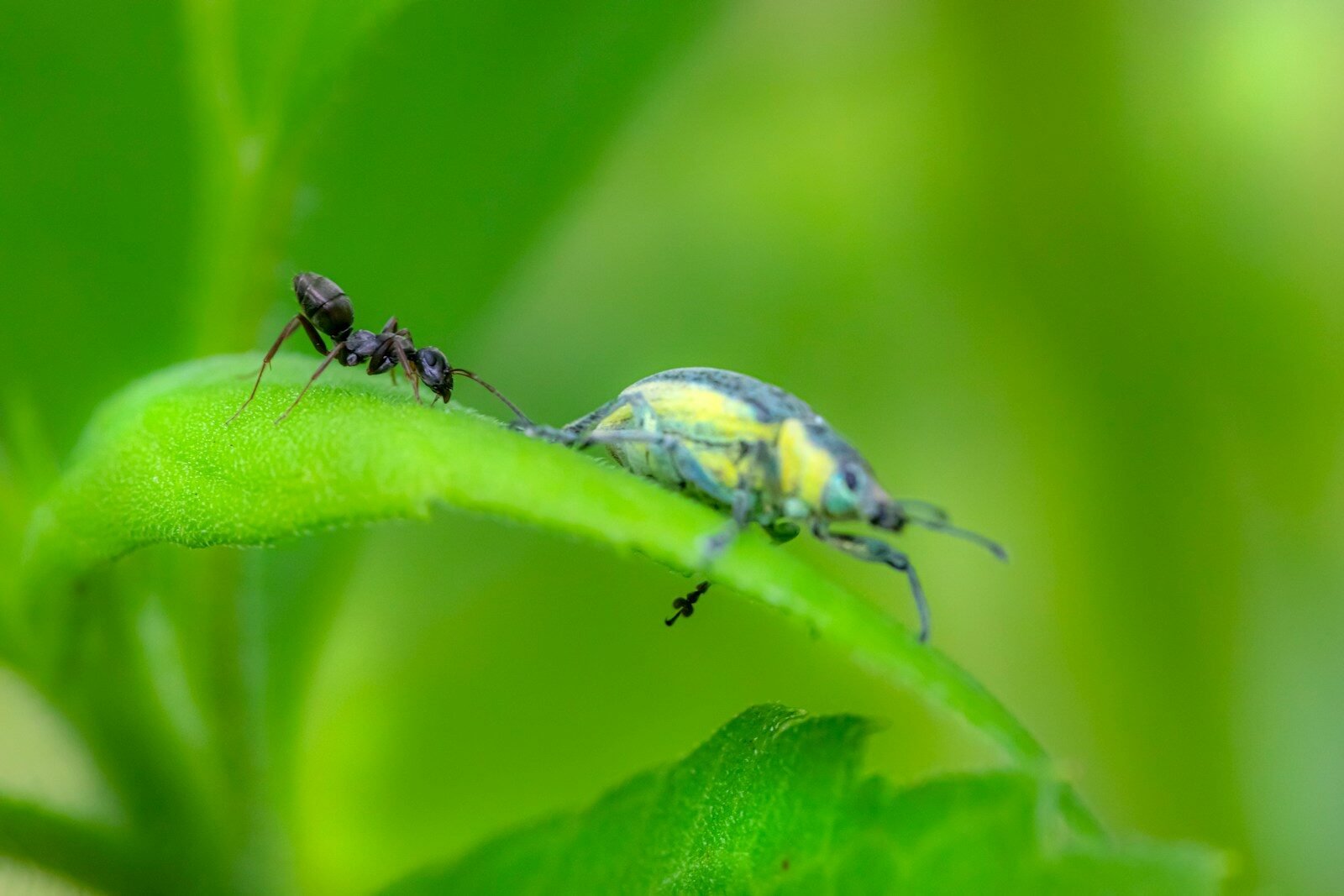
- Cultural controls: Blast colonies with water, prune heavily infested tips, remove ant activity (they farm aphids), and fertilize moderately to avoid super-succulent growth.
- Biological allies: Encourage lady beetles, lacewings, hoverflies, and parasitoid wasps by planting blooms and skipping broad-spectrum sprays. Learn more at UC IPM on aphids.
Explore more pest-smart tactics in our integrated pest management guides.
Decision Checklist: Pick the right product for your plant, weather, and pest pressure
- Need fast knockdown? Choose insecticidal soap.
- Spraying outdoors with mild weather? Neem oil is a strong pick, especially at dusk.
- Indoor use, low odor preference? Start with soap.
- Edibles near harvest? Soap or labeled neem with 0-day PHI; confirm your product’s label.
- Tender or glaucous foliage? Spot-test first; lean toward lower rates or soap.
- High heat or bright sun? Delay sprays or apply at dusk; avoid oils above ~85°F (29°C).
- Ants protecting aphids? Control ants and prune honeydew-slick leaves to boost success.
- Small, early colony? Try a hard water spray + one soap treatment.
Conclusion: Use the right tool first to clear aphids faster with fewer sprays
When weighing neem oil vs insecticidal soap for aphids, match the product to the situation. Soap wins for quick, low-odor knockdown with almost no residue. Neem oil adds slightly longer suppression and outdoor staying power when you can spray in cooler light.
Stick to the label, target your coverage, and protect pollinators by spraying at dusk. With smart timing and rotation, most aphid flare-ups resolve in one to three rounds.
FAQ: Can I mix neem and soap? Will either harm beneficials? What temps are safe to spray? How soon can I harvest?
Can I mix neem oil and insecticidal soap? Some gardeners add a small amount of mild soap as an emulsifier for neem, but combining full insecticidal soap rates with neem can raise burn risk. Unless your label explicitly allows mixing, apply separately and rotate.
Will either harm beneficial insects? Both can harm soft-bodied beneficials on contact. Minimize impact by spraying dusk/dawn, avoiding flowers, and spot-treating colonies. Residual risk is low once dry.
What temperatures are safe? Aim for 50–85°F (10–29°C). Avoid hot, sunny periods and drought-stressed plants. Oils are riskier above ~85°F; wait for cooler hours.
How soon can I harvest? Many insecticidal soaps and clarified neem products list a 0-day PHI for edibles. Wash produce and follow your specific label for pre-harvest intervals and reentry times.
For deeper reading on aphids and IPM, see UC IPM Aphids Pest Note and our pest control archives.