Introduction: Buy Beneficial Nematodes to Eliminate Fungus Gnat Larvae
If you’re battling tiny flies hovering around potting soil, the root cause is almost always larvae in the media. A proven, chemical-free fix is to buy beneficial nematodes for fungus gnat larvae and water them into the soil. These microscopic allies, especially Steinernema feltiae (S. feltiae), seek out and eliminate gnat larvae where they feed.
Unlike sprays that only hit adults, entomopathogenic nematodes target the damaging stage hidden in the soil. They’re safe for people, pets, and pollinators, and they fit perfectly into an indoor, greenhouse, or nursery integrated pest management (IPM) plan.
New to biological controls? Start by skimming our plant-problem library for related moisture and soil issues: Plant Doctoring – Plant Problems.
Quick Summary: Why S. feltiae Works and How to Apply It Right
- What to buy: Steinernema feltiae (S. feltiae) formulated for fungus gnats. Choose sponges, gels, or ready-to-use (RTU) drenches.
- Why it works: Nematodes hunt larvae in soil and release symbiotic bacteria that stop feeding fast and kill within days.
- How much: Typical heavy-infestation rate is 0.5–1.0 million nematodes per m² of soil surface; check your label and size of containers.
- When to apply: At dusk or lights-off to avoid UV; keep media evenly moist before and after application.
- Reapply: Every 7–14 days for 2–3 cycles to cover overlapping life stages.
- Combine with IPM: Use yellow sticky cards, allow slight dry-downs, and consider Bti rotations.
How Beneficial Nematodes Control Fungus Gnats (Lifecycle and Mode of Action)
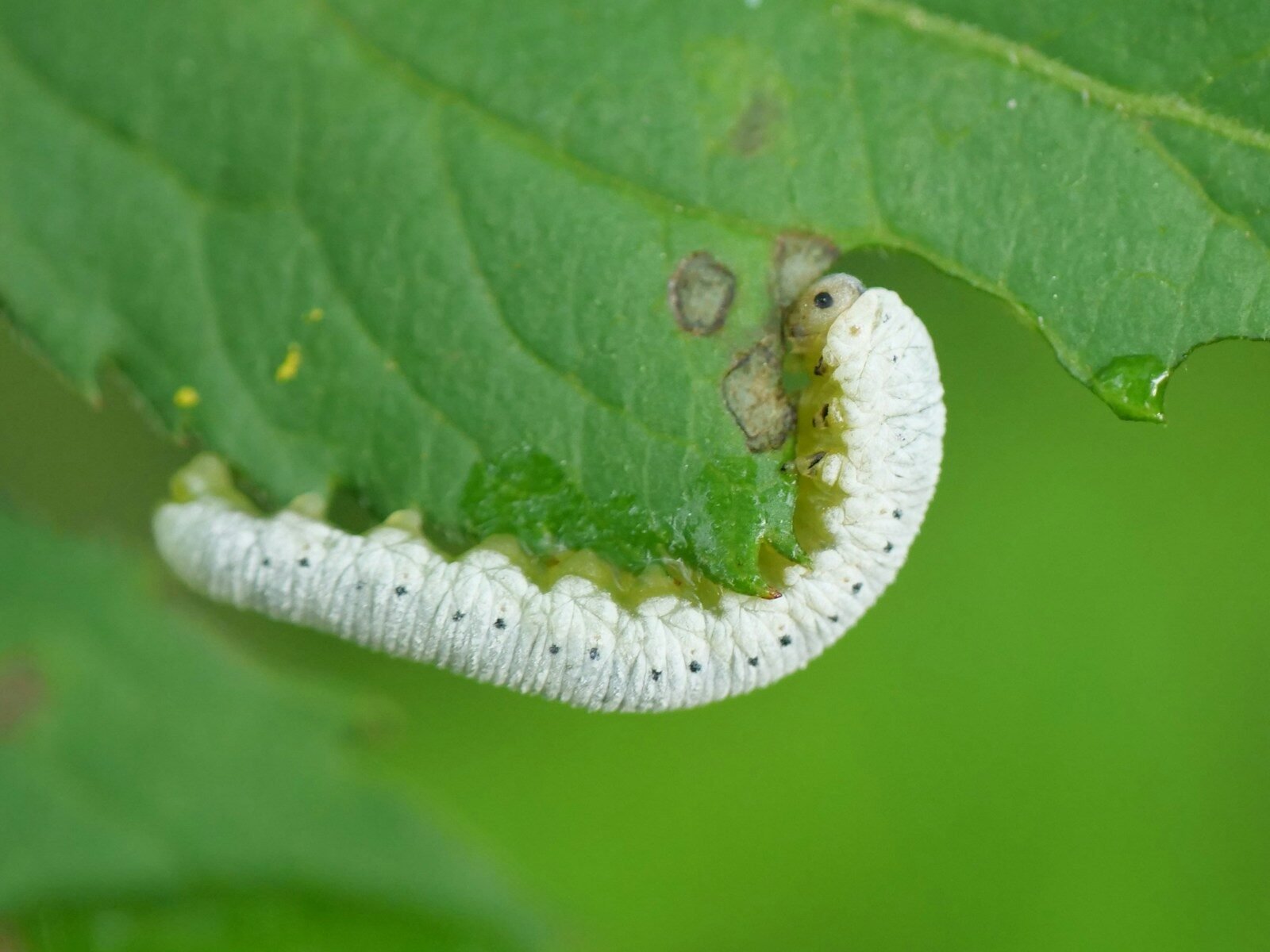
Fungus gnats lay eggs in moist growing media. The larvae hatch and feed on algae, decaying matter, and tender roots for 2–3 weeks before pupating. Adults don’t cause most plant damage—the larvae do.
S. feltiae specializes in finding larvae within pore spaces of potting mix. Once they enter a larva, they release beneficial bacteria that stop feeding quickly and lead to mortality in 24–72 hours. New nematodes then emerge to search for more hosts, providing extended, soil-level suppression.
This targeted activity breaks the gnat cycle at its most vulnerable point, reducing adult emergence and preventing re-infestation when paired with cultural fixes.
Choose the Right Species, Rate, and Formulation (Sponges, Gels, RTU)
Species: For fungus gnat larvae, choose Steinernema feltiae. Avoid species tailored to other pests (e.g., S. carpocapsae better for surface-active insects; Heterorhabditis bacteriophora for soil-dwelling grubs).
Rates: Follow your label, but as a rule of thumb use 0.5–1.0 million nematodes per m² of soil surface for heavy pressure. For containers, many products guide by pot size or volume of media; apply more for dense root zones or severe outbreaks.
Formulations:
- Sponges: Economical; rinse the sponge into a bucket to release nematodes for dilution.
- Gels: Convenient dosing; easy to measure small batches for houseplants.
- RTU Liquids: Pre-mixed for direct watering-in; great for first-time users.
Ensure the product is fresh (check the use-by date) and has been refrigerated during shipping and storage.
Application Steps: Mix, Water In, Timing, and Light/Temperature Best Practices
- Pre-water: Moisten pots so media is evenly damp—not saturated—before application. This helps nematodes move through pore spaces.
- Mix correctly: Use clean, dechlorinated water (let tap water sit 24 hours or use a carbon filter). Stir the suspension gently to keep nematodes distributed; avoid foaming.
- Apply evenly: Drench the soil surface to achieve labeled coverage. For hanging baskets or deep containers, apply slowly to soak the root zone.
- Avoid UV and heat: Apply at dusk or lights-off. Ideal soil temperature is roughly 10–30°C (50–86°F), with best activity around 20–25°C (68–77°F).
- Keep moist: Maintain light, even moisture for 7–10 days after treatment. Do not let the media dry out completely during this window.
- Sprayer/irrigation tips: Remove fine filters, keep pressure low, and use immediately. Don’t leave nematodes in a tank for more than 1–2 hours.
- Chemical compatibility: Avoid peroxide drenches, harsh soaps, or strong salt-based fertilizers 24–48 hours before and after application.
Aftercare and Reapplication: Monitoring with Sticky Traps and Soil Checks
Pair your treatment with monitoring to measure progress. Place yellow sticky cards just above the canopy to track adult captures. A drop in adult counts indicates fewer larvae are maturing.
For a quick soil check, lay a thin potato slice on the media surface; larvae congregate beneath it within 24–48 hours. Seeing fewer larvae week-to-week confirms control.
Because eggs and pupae may miss the first pass, plan 2–3 applications spaced 7–14 days apart. Continue light irrigation to keep the environment favorable for nematodes without overwatering.
Related reading on moisture-linked plant stress and prevention strategies: Plant Problems – Browse Guides.
Combine with Cultural Controls: Dry-Down Cycles, Top-Dress Barriers, and Bti
- Dry-down cycles: Let the top 1–2 cm (0.5–1 in) of media dry slightly between waterings. Larvae and eggs need constant moisture.
- Top-dress barriers: Apply a thin layer of horticultural sand, diatomaceous earth (DE) (use cautiously indoors), or recycled glass media (e.g., Gnat-proof top-dress). This disrupts adult egg-laying.
- Rotate with Bti: Use Bacillus thuringiensis var. israelensis drenches between nematode rounds. Bti toxins target gnat larvae and complement S. feltiae without resistance build-up.
- Sanitation: Remove algae, fallen leaves, and saturated saucers. Bottom-water when possible and avoid chronic overwatering.
- Potting mix and repotting: For severe cases, repot with fresh, well-draining media and clean containers.
For more on diagnosing overwatering-related issues and preventing secondary problems like root decline, see our reference hub: Plant Doctoring – Plant Problems.
Storage and Shelf Life: Keeping Nematodes Alive and Effective
- Refrigerate on arrival: Store at 4–8°C (39–46°F). Do not freeze or overheat. Keep packages sealed to prevent desiccation.
- Mind the date: Nematodes are perishable. Use by the expiration date for best performance; fresher product equals higher efficacy.
- Use quickly after mixing: Once in water, apply within 1–2 hours. Keep the mixture gently agitated.
- Transit checks: If shipped warm, use immediately and test a small batch under a microscope or with a simple viability check (movement in a drop of water).
Proper storage preserves vigor so you get consistent control with every application.
Conclusion: Natural, Consistent Control Without Harsh Chemicals
When you buy beneficial nematodes for fungus gnat larvae, you’re investing in targeted control that protects roots and restores plant vigor. S. feltiae fits seamlessly into organic and low-residue programs, indoors or out.
Apply at the right rate, keep the media lightly moist, and repeat on schedule. Combined with better watering habits, top-dress barriers, and Bti rotations, you’ll stop the life cycle and keep gnats from bouncing back.
FAQ: Beneficial Nematodes for Fungus Gnats — Your Questions Answered
How fast will I see results?
Expect fewer larvae within 3–7 days and fewer adults after one generation (often 10–14 days), with best results after 2–3 rounds.
Are nematodes safe for pets, kids, and houseplants?
Yes—entomopathogenic nematodes target insects, not people, pets, or plants. They’re a cornerstone of biological control.
Will they harm earthworms or beneficial microbes?
They’re considered safe for earthworms and do not disrupt beneficial soil microbes the way many broad-spectrum chemicals can.
Can I use them indoors under grow lights?
Absolutely. Apply at lights-off to limit UV exposure and keep soil evenly moist for a week after treatment.
What if my water is chlorinated?
Let tap water stand 24 hours, use a carbon filter, or use rain/RO water to protect nematode viability.
How much do I need for a small collection?
For houseplants, small packs (e.g., 5–10 million) often cover dozens of pots depending on size. Follow your product’s coverage chart.
Can I mix nematodes with fertilizer or insecticidal soap?
Avoid harsh salts and soaps during application windows. If needed, separate applications by at least 24–48 hours and check label compatibility.
What if gnats keep returning?
Reassess watering frequency and organic debris on the soil surface. Combine nematodes with sticky traps, Bti, and top-dress barriers, and review moisture-related issues here: Plant Problems Library.