Introduction: Choose the right traps and get them working today
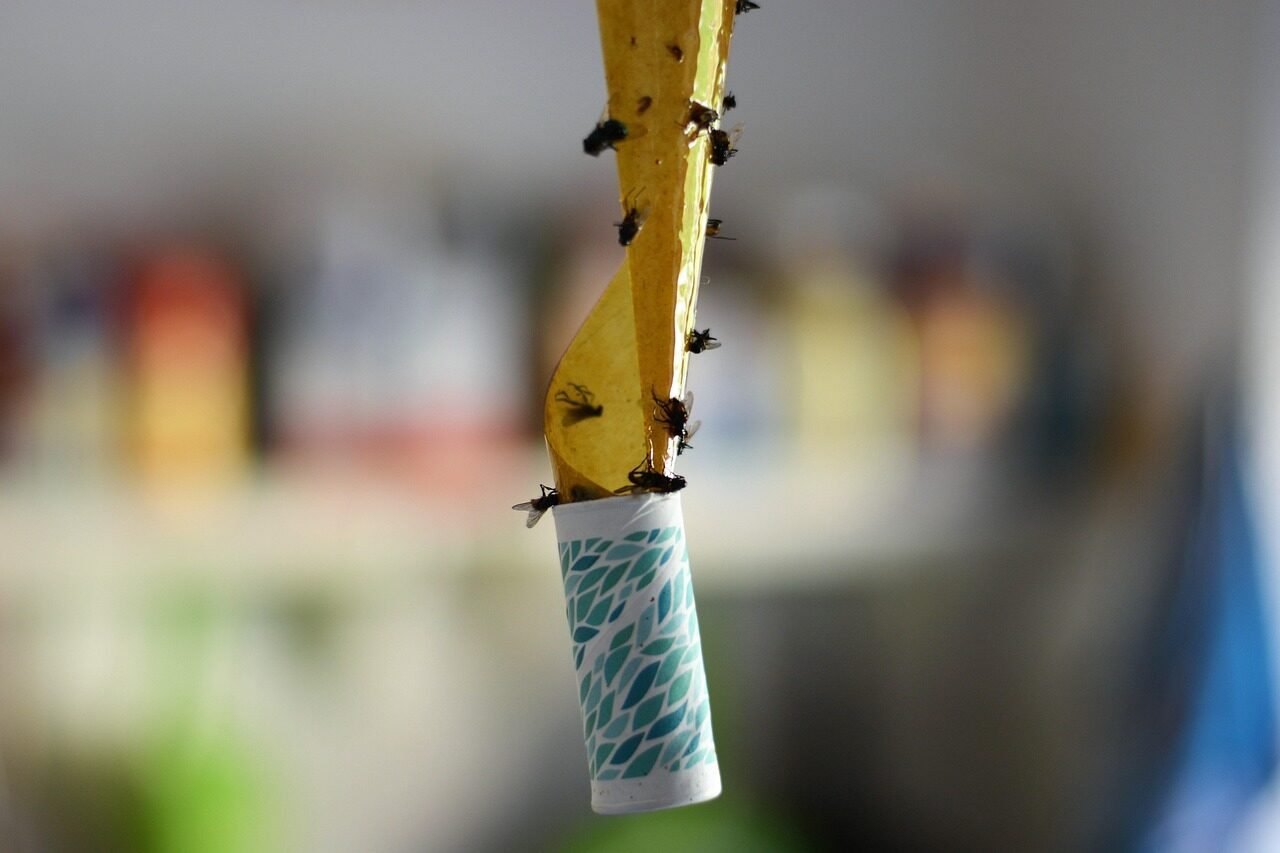
If tiny flies are photobombing your Monstera, it’s time to buy yellow sticky traps for houseplants and shut down the gnat airport. These bright cards are a fast, low-effort way to intercept fungus gnats, whiteflies, and aphids while you fix the root cause (usually overwatering or infested soil).
In this guide you’ll learn the best sizes, what features actually matter, and exactly how many to order so you’re not stuck mid-battle. We’ll also show where to get them in 2026 for speedy delivery, plus simple setup and pet-safe placement tips.
For deeper pest context, browse the in-depth resources at Plant Doctoring: Plant Pests alongside the quick wins here.
Quick Summary: Best sizes, quantities, and where to buy for fast delivery
- Best sizes: 2×3–3×5 in for small pots; 4×6 in for big planters; narrow 1×6 in strips for discreet edges; flag-style stakes for tight spaces.
- Quantities: Start with 20–30 cards for a small collection; 50–100 for plant rooms, greenhouses, or bulk savings.
- Fast delivery: Check same-day/next-day options on major marketplaces and call local garden centers or hardware stores for in-stock pickup.
- Replacement cadence: Swap every 2–4 weeks or sooner if surfaces fill up with insects or dust.
If you’re short on time, prioritize UV-resistant cards with non-drip adhesive and sturdy stakes. You’ll catch adult flyers quickly while you apply longer-term fixes like drier watering cycles and sticky-soil cleanups. See additional pest tactics here: indoor pest control basics.
What to Look For: UV-resistant film, non-drip glue, no-fume adhesives, and sturdy stakes
- UV-resistant film: Sunlight fades dyes and can dry adhesives through photodegradation. Look for cards rated UV-stable so color and tack last longer near bright windows. Learn why UV degrades materials at Wikipedia: Photodegradation.
- Non-drip, pressure-sensitive glue: The adhesive should be tacky, not runny. Quality cards use pressure-sensitive adhesives that stay put without oozing. See pressure-sensitive adhesive basics.
- No harsh fumes: Most sticky traps are fragrance-free and mechanical (no pesticides). Choose low-odor products to keep indoor air comfortable for you and your pets.
- Sturdy stakes or clips: Flexible plastic stakes resist moisture and don’t snap easily. For large planters, pick longer stakes or clip-on frames to angle cards above soil where gnats hover.
- Double-sided trapping: Two sticky faces = twice the catch rate per card, extending value between swaps.
These features help traps work better in bright rooms and warm grow setups, keeping adhesive active longer and minimizing mess.
Fast, Proven Picks by Scenario: Small pots, large planters, propagation domes, discreet designs, bulk packs
- Small pots (4–6 in): Use mini flag-style traps or 2×3 in cards. Insert 1–2 per pot, angled just above the soil line where gnats emerge.
- Large planters (10–14+ in): Go bigger (3×5 or 4×6 in) or place two medium cards at opposite edges. Taller stakes position cards in gnat flight paths.
- Propagation domes/seed trays: Slim 1×6 in strips or small cards stuck to dome walls catch early infestations without shading seedlings.
- Discreet designs: Narrow strips tucked behind leaves or pot rims blend into decor yet still intercept flyers.
- Bulk packs: For plant rooms and grow tents, 50–200 card value packs cut cost/card and ensure you can replace on schedule.
Match trap format to pot size and airflow. You’ll catch adults fast, which reduces egg-laying pressure while root zones dry. For companion tactics (like cultural and mechanical controls), see Plant Doctoring pest guides.
Where to Buy in 2026: Online marketplaces, garden centers, and local hardware stores
You can buy yellow sticky traps for houseplants almost anywhere now, but speed and quality matter. Here’s how to source them fast in 2026:
- Online marketplaces: Filter for next-day delivery, double-sided cards, and UV-resistant specs. Skim recent reviews with photos to confirm glue coverage.
- Garden centers: Call ahead and ask for houseplant sticky traps in 3×5 or strip formats. Many stores hold them near seed-starting or houseplant aisles.
- Local hardware stores: Pest-control or lawn/garden sections often stock sticky cards year-round. Ask about bulk packs for better unit pricing.
- Specialty hydro/indoor grow shops: Reliable for large-format cards and sturdy stakes.
Buying local means immediate setup. Online wins for variety and bulk pricing. For a refresher on identifying pests before you click buy, check the plant pest index. More background on integrated approaches: Integrated Pest Management (IPM).
How Many to Order: Sizing guide by pot diameter and room size, plus replacement cadence
Use this quick planner to avoid running out mid-treatment.
- By pot diameter:
- 3–6 in pots: 1 small flag or 2×3 in card per pot
- 7–10 in pots: 1 medium (3×5 in) card or two small flags
- 12–16 in planters: 2 medium cards at opposite edges or 1 large 4×6 in
- By room size (average pest pressure):
- Small shelf/window: 4–8 cards
- Medium room (8–20 plants): 12–24 cards
- Large room/grow tent (20–50 plants): 30–60 cards
- Replacement cadence: Every 2–4 weeks, faster in dusty rooms or if surfaces fill up. Keep at least 2 full swap cycles on hand.
Example: 15 plants in mixed sizes? Order 30–40 cards to cover initial deployment and one refresh. Track catches to right-size your next order.
Setup & Safety Tips: Placement, pet safety, and avoiding leaf contact
- Place at gnat level: Insert stakes so cards sit 1–2 inches above soil. For whiteflies, add one card slightly higher near foliage.
- Avoid leaf contact: Keep a small air gap; sticky residue can pull delicate tissue. Angle cards outward, not into the canopy.
- Pet safety: Traps are pesticide-free but extremely sticky. Position out of pet traffic and trim protruding edges. If contact occurs, use cooking oil to gently remove adhesive from fur or skin.
- No drips, no mess: Quality, non-drip adhesives won’t run. Still, avoid direct sun plus high heat on furniture finishes.
- Disposal: Fold cards onto themselves and trash. Wash hands after handling.
For general household chemical safety guidance, consult the U.S. EPA: Safe Pest Control. Then review additional safe plant-pest practices at Plant Doctoring.
Conclusion: Stock up once and stay ahead of flying pests
The quickest win against fungus gnats and other flyers is simple: buy yellow sticky traps for houseplants, deploy them at soil height, and refresh on schedule. Choose UV-stable, non-drip cards with sturdy stakes, and size up for large planters.
Once you’ve got traps working, dial in watering and pot hygiene so gnats can’t rebound. Keep a spare pack on standby—future you will thank you when the next hitchhiker arrives. For deeper how-tos, keep this pest resource bookmarked.
FAQ: Will traps damage furniture? Are they reusable? Do shapes matter? How long do they store?
Will traps damage furniture? Quality non-drip adhesives shouldn’t run, but avoid direct contact with finishes and keep traps off high-heat windowsills. Use saucers or keep cards within pot rims.
Are they reusable? No. Once a surface is dusty or full of insects, sticking power drops. Replace every 2–4 weeks for best catch rates.
Do shapes matter? Color and surface area matter most. Butterflies, flowers, or rectangles all work; larger exposed area generally catches more.
How long do they store? Typically 12–24 months sealed in a cool, dry place. Heat and sun degrade adhesives faster—see photodegradation for why.
Will traps fix gnats alone? They knock down adults fast, but you still need cultural fixes (drying soil, removing decaying matter). Browse supportive tactics at Plant Doctoring: Plant Pests.