Introduction: Make Your The Sill Pothos Thrive From Day One
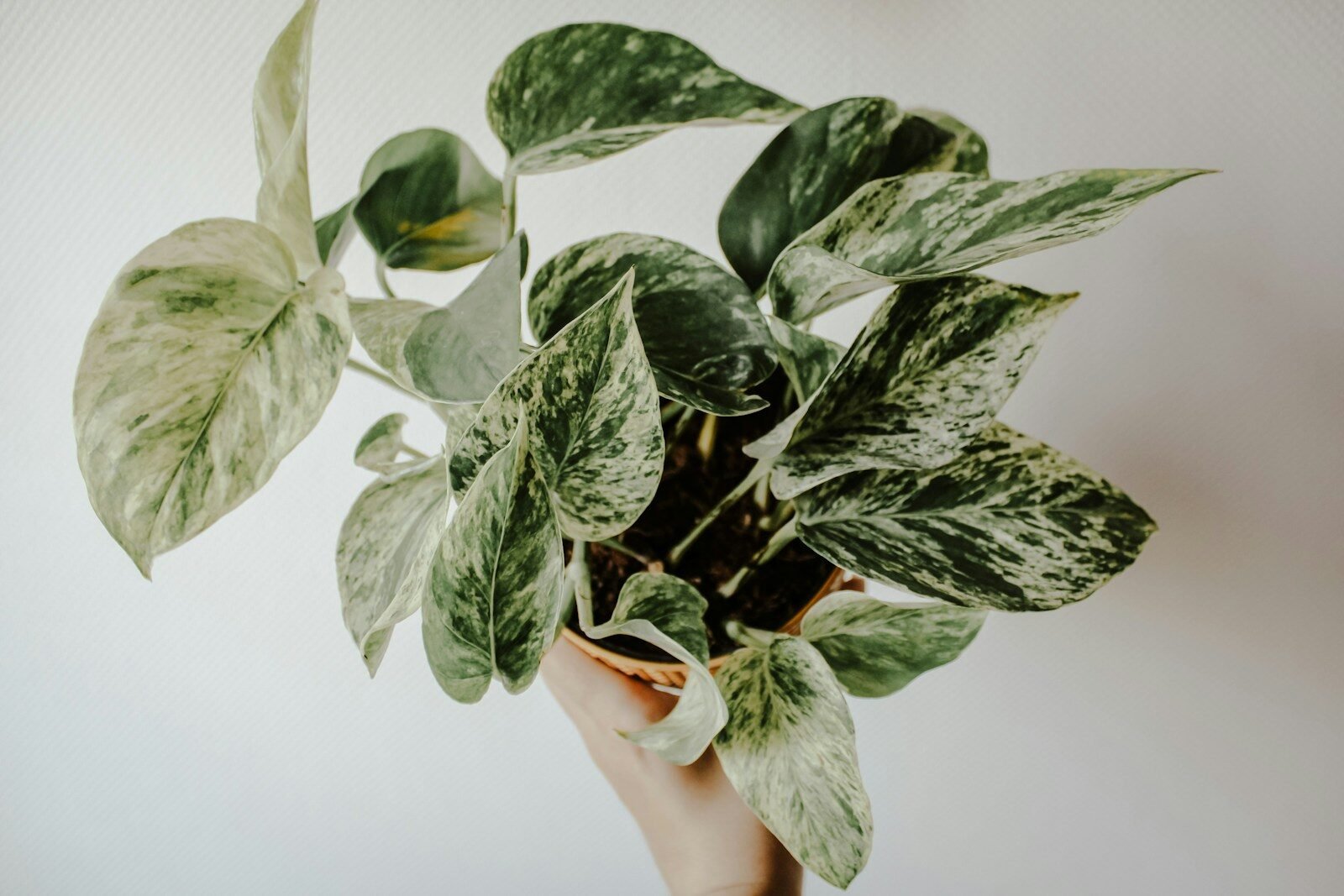
Your new The Sill pothos (also known as Epipremnum aureum or devil’s ivy) is one of the most forgiving indoor vines—and a fantastic choice for beginners and busy plant parents. This professional The Sill plant care guide pothos edition shows you exactly how to set up light, watering, soil, and routine maintenance so your plant grows fuller, longer vines from week one.
Pothos adapts to a range of homes and offices, but steady basics—bright, indirect light, a well-draining mix, and watering only when the top half of the soil is dry—deliver the best color and growth. We’ll also cover quick fixes for yellow leaves, droop, and shipping stress, plus step-by-step propagation for making free new plants.
Want to learn more about the species? Explore the background of pothos on Wikipedia and you’ll see why its toughness and tolerance make it a household favorite worldwide.
Quick Summary (TL;DR): Bright indirect light, water when top 50–75% is dry, airy mix, light monthly feeding in growing season
- Light: Bright, indirect light near east or north windows; 2–6 feet from sunny south/west windows with sheer curtain.
- Water: Water when the top 50–75% of soil is dry. In plastic nursery pots every 7–14 days; in ceramic cachepots often a bit less frequent.
- Soil: Airy, fast-draining mix: potting soil + perlite + orchid bark (+ a bit of coco coir).
- Fertilizer: Half-strength, balanced liquid monthly in spring/summer; pause in winter.
- Pruning: Tip prune above a node for fuller vines; sanitize tools before cuts.
- Repot: Size up 1–2 inches when roots circle pot or dry-outs are rapid (12–18 months on average).
- Problems: Yellow leaves (overwater or stress), droop (thirst/rot), pests (mealybugs, mites). Act fast—see fixes below.
Unboxing & Acclimation: What to do in the first 48 hours after delivery
Shipping can jostle and dry plants. The first two days set the tone for long-term success.

- Unpack gently: Remove all wraps, padding, and stakes. Snip tape rather than pulling to avoid snapping vines.
- Check moisture: Feel the top few inches. If bone-dry, water thoroughly until excess drains; if damp, wait 1–2 days to reassess.
- Acclimate to light: Place in bright, indirect light immediately. Avoid direct noon sun the first week.
- Isolate briefly: Keep new plants a few feet from others for 5–7 days to monitor for hitchhiking pests.
- Leaf clean-up: Trim any yellowed, crushed, or torn leaves with sanitized scissors. This reduces stress and redirects energy.
- Skip repotting now: Let roots settle for 2–4 weeks before any major changes unless the nursery pot is severely root-bound or damaged.
Some leaf curl or minor yellowing from shipping is normal. Steady conditions will smooth things out within a week.
Light Requirements: Best windows, distance, and optional grow light placement
Pothos thrives in bright, indirect light. More light (without harsh sun) produces larger, more variegated leaves and quicker growth. Too little light slows growth and reduces variegation.
- Best windows: East-facing windows are ideal. North windows work well if unobstructed. For south or west windows, place 2–6 feet back or diffuse light with a sheer curtain.
- Distance tips: If your plant casts a soft, fuzzy shadow most of the day, the light is usually right. Crisp, hot shadows signal direct sun—move it back a bit.
- Grow lights: A 20–40W full-spectrum LED bar 8–14 inches above the canopy for 10–12 hours/day keeps growth steady. Start higher and move closer gradually.
- Seasonal shifts: In winter, shorten the distance to light or extend the timer by 1–2 hours to compensate for low sun angles.
For a science-backed overview of indoor light, see this university guide to light for houseplants.
Watering Schedule by Pot & Substrate: Reading thirst in nursery vs. decorative pots
The fastest route to a happy pothos is avoiding chronic overwatering. Water only when the top 50–75% of the mix is dry—deeper in winter or low light.
- In plastic nursery pots: These dry faster and are easy to assess. Expect watering every 7–10 days in bright rooms; 10–14 days in lower light. Lift the pot—light weight means it’s time.
- In decorative cachepots: If your nursery pot sits inside a ceramic cover, always remove the inner pot to water. Let excess drain fully before returning it. Hidden water at the bottom causes root rot.
- Soil signals: Use a clean chopstick or moisture meter. Insert to the bottom; if it emerges mostly dry or reads low, water thoroughly until 10–20% runoff.
- Substrate differences: Airy mixes (bark/perlite) dry faster; peat-heavy mixes stay wet longer. LECA or self-watering setups require separate routines—keep the reservoir minimal and roots oxygenated.
- Seasonal rhythm: Warm, bright months = faster drying; cool, dim months = slower. Always check the soil rather than watering by calendar.
When in doubt, wait a day and recheck. Underwatering is easier to fix than a soggy root ball. For more fundamentals, review this guide to watering houseplants.
Soil, Potting, and Repot Timing: Mix recipe, drainage, when to size up
Pothos loves oxygenated roots. A chunky, free-draining blend reduces rot risk and fuels strong growth.
- Recommended mix: 40% high-quality potting soil, 30% perlite, 20% orchid bark, 10% coco coir; optional 5% horticultural charcoal to freshen the root zone.
- Drainage matters: Always choose a pot with drainage holes. If using a decorative cover pot (cachepot), keep the plant in a plastic grower pot or use an inner liner with holes.
- When to repot: Roots circling the pot, roots poking from drainage holes, or water drying out in 3–4 days during normal conditions are signs to size up.
- How much bigger: Move up 1–2 inches in diameter only. Oversized pots hold excess moisture and raise rot risk.
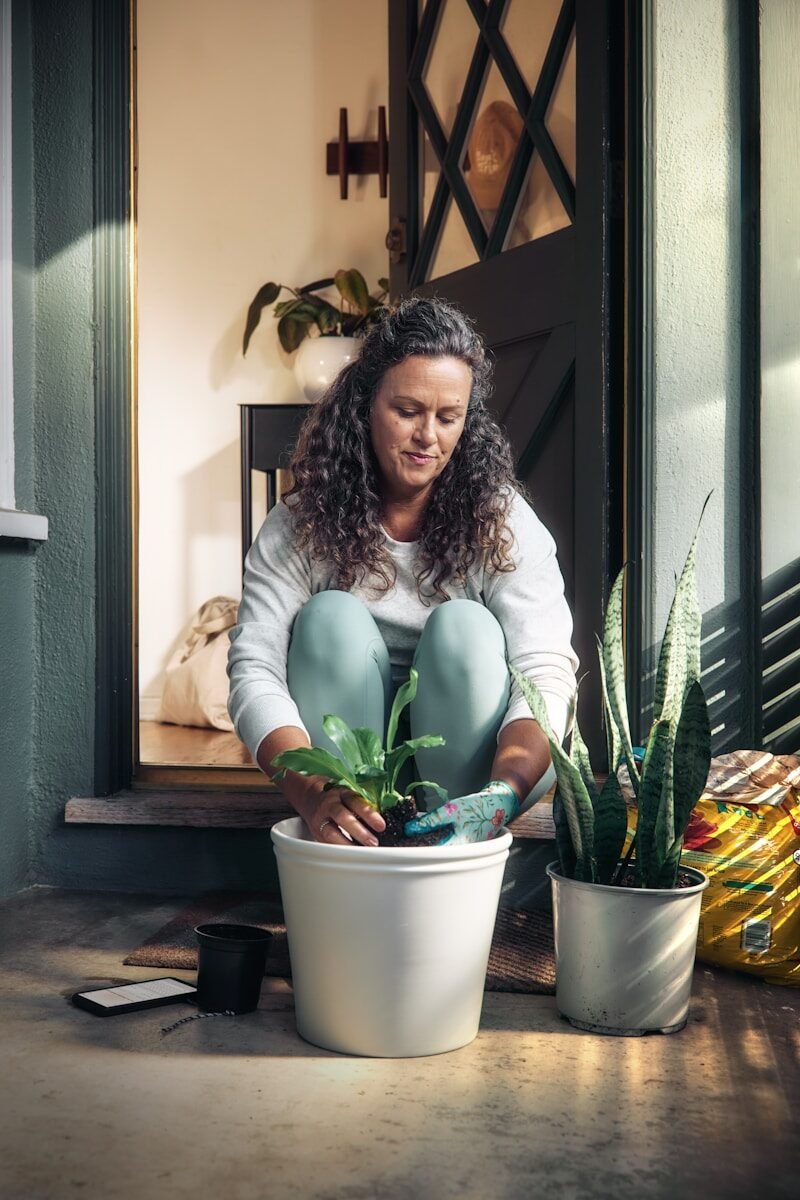
- Repot steps: Water lightly the day before; gently tease roots; trim any brown/mushy roots; re-center the plant; backfill with fresh mix; water to settle; top off as needed.
Most The Sill pothos will appreciate fresh mix every 12–18 months. If growth slows or leaves shrink despite good light, it may be time.
Fertilizer & Pruning: Growth goals, fuller vines, and sanitation
With steady light and a quality mix, modest feeding boosts foliage and variegation. Pruning keeps your plant dense and shapely.
- Fertilizer: Use a balanced liquid (e.g., 3-1-2 or 10-10-10) at half strength monthly in spring/summer. Pause in winter or feed every 6–8 weeks at quarter strength.
- Water before feeding: Applying fertilizer to bone-dry soil can burn roots. Moisten first, then feed.
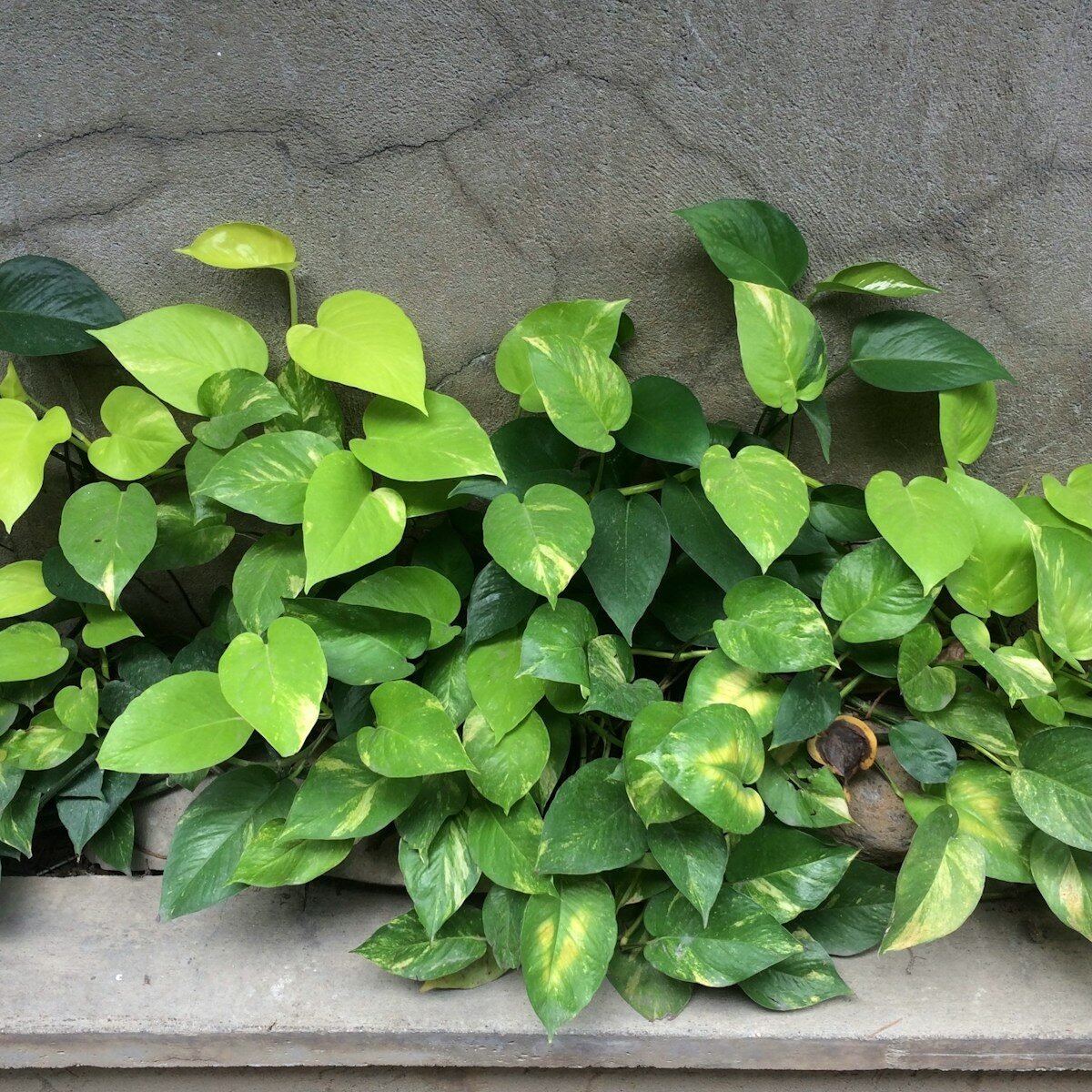
- Pruning for fullness: Snip just above a node (where a leaf meets the vine) to encourage branching. Replant those cuttings for a bushier pot.
- Tool hygiene: Wipe blades with 70% isopropyl alcohol before and after cutting. This prevents disease spread.
- Support for size: Train vines onto a small trellis or moss pole if you want larger, fenestration-like leaves in some cultivars.
Leaf-wiping with a damp cloth improves shine and photosynthesis by clearing dust from the surface.
Common Issues & Fast Fixes: Yellow leaves, droop, pests, shipping stress
- Yellow leaves (lower first): Often overwatering, compacted soil, or insufficient light. Let soil dry deeper, improve drainage, and increase indirect light.
- Sudden widespread yellowing after delivery: Shipping chill or heat stress. Trim damage, stabilize light and watering, and avoid repotting for 2–4 weeks.
- Droopy leaves: Check soil. Bone-dry = water deeply; soggy = root stress. If rot is suspected, unpot, trim mushy roots, and repot into airy mix.
- Brown tips/edges: Low humidity, underwatering, or fertilizer/salt buildup. Leach the pot with plain water and adjust schedule.
- Pests (mealybugs, mites, scale): Isolate, shower foliage, then treat with insecticidal soap or neem oil weekly until clear. Inspect undersides and nodes closely. See this overview of common houseplant pests.
- Faded variegation: Not enough light. Move closer to bright, filtered light or add a grow light.
Act quickly and consistently. Most pothos issues resolve with corrected light and a more measured watering rhythm.
Propagation Basics: Clean cuts, water vs. soil rooting, transplant tips
Propagating pothos is simple and satisfying. Build a fuller pot or make easy gifts by rooting node cuttings.
- Choose the node: Identify a leaf node with a nub/aerial root. Cut 0.25 inches below the node using sanitized scissors.
- Water method: Place the node in room-temperature water, changing weekly. Keep in bright, indirect light until roots reach 2–3 inches.
- Soil method: Stick the node into a perlite-heavy, moist mix. Maintain even moisture and humidity for 2–3 weeks. Optional: dip in rooting hormone.
- Transplant: Pot multiple cuttings together for instant fullness. Keep the mix slightly moist the first 10–14 days to help new roots adapt.
- Aftercare: Gradually return to the standard water-when-half-dry routine once growth resumes.
For background on the species’ vigor and adaptability, visit the UF/IFAS pothos profile.
Keep fine-tuning your routine with clear, step-by-step instructions on watering cadence, light setup, and seasonal tweaks. For ongoing guidance, bookmark Plant Care Tips—it covers practical, real-world troubleshooting and helps you build consistency week after week.
Use it to calibrate your watering by pot type, refine your light placement, and get quick fixes for common pothos symptoms before they snowball.
Conclusion: A little consistency goes a long way—save this guide and explore Plant Care Tips for more wins
Your The Sill pothos will reward you for the basics: bright, indirect light, watering when the top half to three-quarters is dry, and a chunky, well-draining mix. Add light monthly feeding in the growing season and occasional pruning, and you’ll see fuller vines and vibrant variegation.
Save this The Sill plant care guide pothos resource, and when you want extra help dialing in watering or identifying leaf issues, visit Plant Care Tips. Small, steady adjustments make the biggest difference.
FAQ: How often to repot? Should I bottom-water? Why are new leaves small? Can pothos live in low light? Is distilled water necessary?
- How often should I repot a The Sill pothos? Typically every 12–18 months or when roots circle the pot, poke from drainage holes, or the soil dries in 3–4 days despite normal conditions. Size up only 1–2 inches.
- Should I bottom-water? It can help rehydrate overly dry soil, but use it occasionally. Most of the time, top-water thoroughly and let excess drain. Avoid leaving the pot in standing water.
- Why are new leaves small? Usually insufficient light or infrequent feeding. Move the plant closer to bright, filtered light or add a grow light, and feed monthly at half strength in spring/summer.
- Can pothos live in low light? Yes, it can survive in low light but will grow slowly with less variegation. Aim for bright, indirect light to thrive.
- Is distilled water necessary? Not typically. Most pothos do fine with tap water. If you see brown tips from hard water or salt buildup, switch to filtered water and flush the soil periodically.